Choosing the right TV stand is more than just finding a place to put your television. It’s about matching your living space, supporting your devices, and creating a comfortable viewing experience. With so many options in size, style, and material, making the best choice can feel overwhelming.
The right TV stand will help organize your room, keep your electronics safe, and even add to your home’s style. But how do you know which one is best for you? Let’s break down the essential steps, features, and smart tips to help you buy with confidence.
Understanding Your Tv And Living Space
Before you start shopping, it’s important to know your TV size and the layout of your room. These two factors are the foundation for all your decisions.
Measuring Your Tv
Don’t rely only on the number in the TV’s name (like “55-inch TV”). The size usually refers to the diagonal length of the screen, not the width. Measure the actual width and height of your TV. This helps you choose a stand that supports your TV safely and looks balanced.
Evaluating Room Size And Shape
Think about where your TV will be. A big room can handle a larger stand, while a small apartment might need something compact. Also, check if there are windows nearby that might cause glare, or doors that could get blocked.
Leave enough space around the stand for walking and cleaning.
Non-obvious insight: People often forget to measure the height at which the TV will sit. The center of your TV screen should be at your eye level when sitting, not too high or low. This small detail can make a big difference in comfort.
Types Of Tv Stands
TV stands come in many styles. The best one depends on your needs, taste, and available space.
1. Open Shelving Units
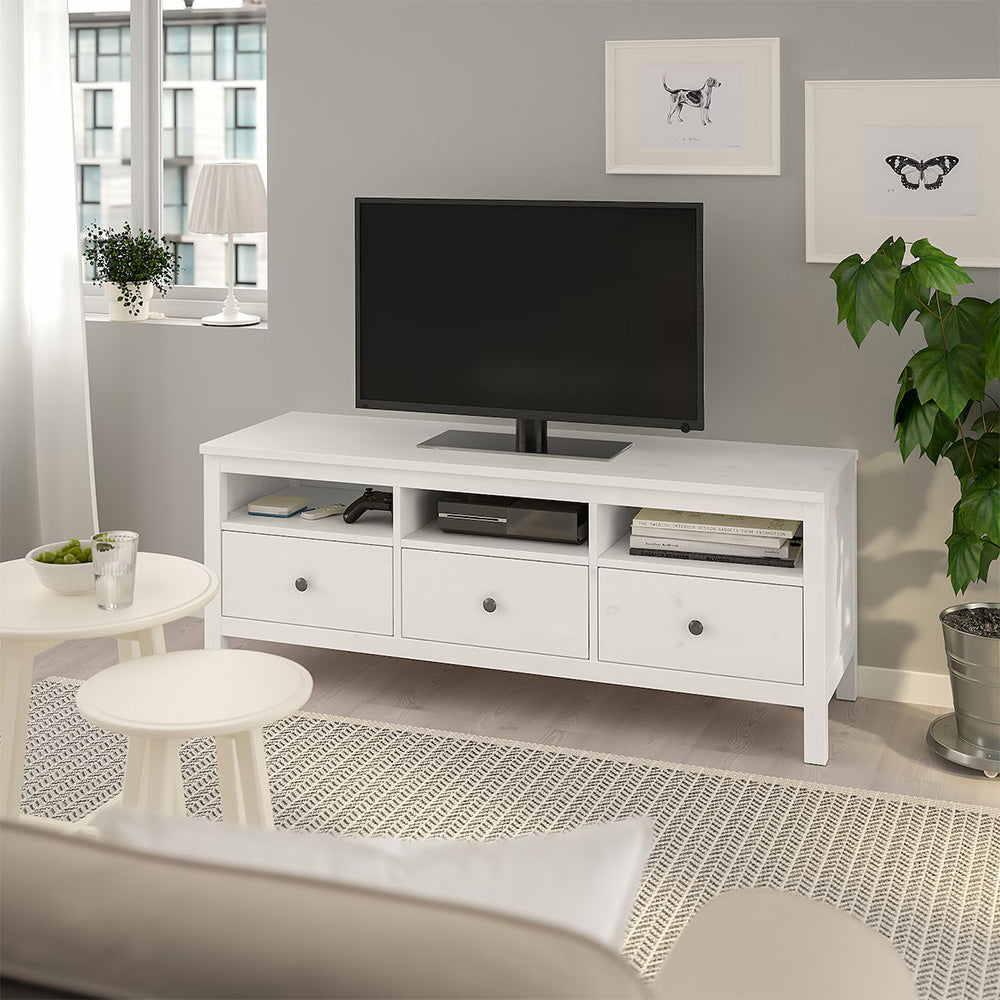
These stands have open shelves and no doors. They’re great for easy access to devices and for keeping things simple. Open stands work well in modern or casual rooms but can look messy if you have lots of wires or accessories.
2. Entertainment Centers
Entertainment centers are larger units that often surround your TV. They offer plenty of storage for gaming consoles, speakers, and decorations. These units can become the main focus in a living room, but they need a lot of space and may require assembly.
3. Corner Tv Stands
Designed to fit into corners, these save space in small rooms or awkward layouts. Corner stands often have angled backs and can hold medium-sized TVs. They’re practical but usually offer less storage.
4. Wall-mounted Consoles
These stands attach directly to the wall, freeing up floor space. They look modern and keep electronics out of reach of small children. However, wall-mounting requires sturdy walls and installation tools.
5. Cabinet And Enclosed Stands
Cabinet stands have doors or drawers that hide devices and wires. They’re ideal if you want a neat look or need to protect equipment from dust or pets. Just be sure your remote controls can still reach your devices if the doors are closed.
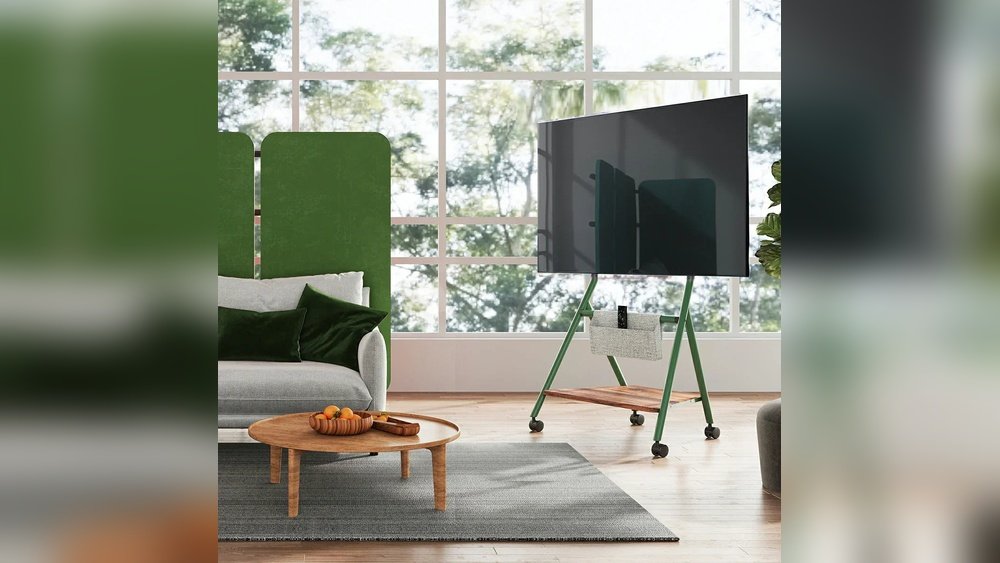
6. Swivel And Mobile Stands
Some stands have wheels or a swivel top so you can move or rotate the TV easily. These are perfect if you watch TV from different parts of the room or want flexibility.
Non-obvious insight: Not all TV stands are designed for heavy or large TVs. Double-check the weight limit and make sure the base is stable, especially for stands with wheels.
Material Choices: What Matters
The material affects the look, cost, and durability of your TV stand. Here’s a comparison of the most popular options:
| Material | Pros | Cons | Best For |
|---|---|---|---|
| Wood | Classic, strong, long-lasting | Heavy, expensive | Traditional, rustic rooms |
| Glass | Modern, light, stylish | Breakable, shows dust | Contemporary spaces |
| Metal | Durable, light, easy to clean | Can scratch, less “warm” look | Industrial or modern decor |
| Engineered Wood (MDF, Particleboard) | Affordable, many finishes | Less strong, can swell with water | Budget-friendly, flexible style |
When you choose a material, think about your lifestyle. If you have kids or pets, avoid glass that can break. If you move often, a lighter metal or engineered wood stand is easier to carry. Solid wood lasts for years but costs more.
Size And Proportion: Getting It Right
A TV stand that’s too small or too large can look awkward and even be dangerous.
Tv Stand Width
Your TV stand should be wider than your TV by at least 2-3 inches on each side. This prevents accidents and makes the setup look balanced. For example, if your TV is 50 inches wide, look for a stand that’s 54-56 inches wide.
Height Matters
The ideal height of the stand places the center of your screen at eye level when you’re sitting. For most sofas, a stand height of 20-30 inches works well. If you recline or use beanbags, you may want a lower stand.
Depth And Storage
Think about what you’ll put on the stand besides the TV. Game consoles, speakers, and storage boxes all need space. Check the shelf depth—some devices are deeper than others. Leave space at the back for cables and air flow to prevent overheating.
Storage Needs And Cable Management
A good TV stand does more than hold your TV. It helps you stay organized.
Open Vs. Closed Storage
- Open shelves are great for devices you use often, but they show dust and clutter.
- Closed cabinets hide mess but may block signals from remotes.
Many stands combine both. Decide which is more important to you: easy access or a tidy look?
Cable Management Features
Look for stands with cable holes or channels in the back panel. These features keep cords out of sight and reduce the risk of tangling or damage. Some stands also have built-in power strips or charging ports.
Pro tip: If your stand doesn’t have cable holes, you can use simple plastic clips or zip ties to group wires together.
Style And Home Decor
Your TV stand should match or complement your room’s style. Here’s a quick overview:
| Style | Key Features | Best For |
|---|---|---|
| Modern | Sleek lines, glass/metal, minimal details | Urban apartments, contemporary homes |
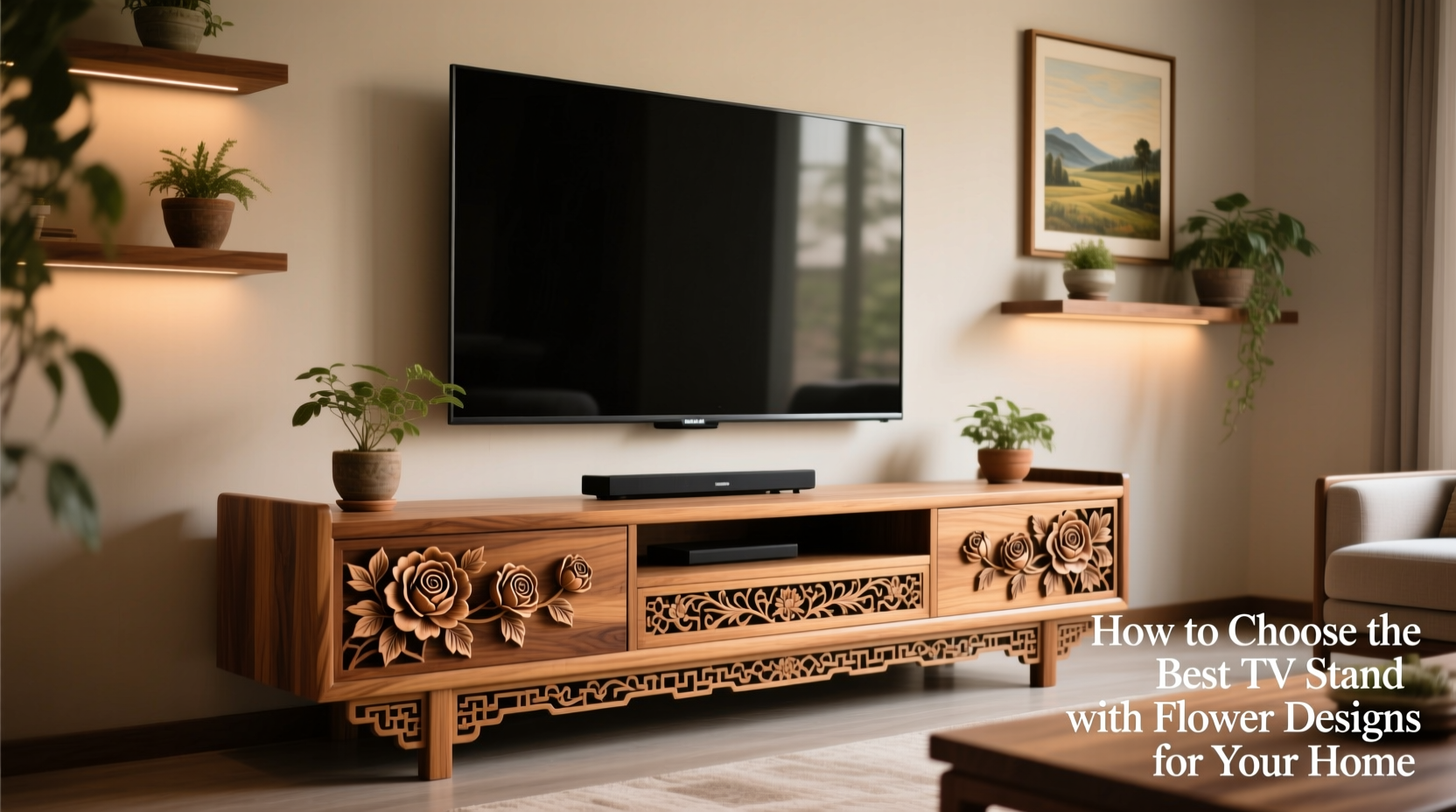
| Traditional | Wood, carved details, rich colors | Classic or vintage rooms |
| Industrial | Metal frames, exposed hardware | Loft spaces, creative studios |
| Scandinavian | Light wood, white finishes, simple shapes | Bright, airy interiors |
| Rustic/Farmhouse | Weathered wood, barn doors, earthy tones | Cozy, country-style homes |
Try to pick a stand that fits with your sofa, rug, and other furniture. If you want a safe choice, neutral colors like black, white, or gray blend with most rooms.
Non-obvious insight: Some designers recommend matching the TV stand with the wall color to make the TV area look less dominant and more “built-in.”
Weight Capacity And Safety
Always check the weight limit of the TV stand. Modern flat TVs are light, but older or large models can be heavy. Putting too much weight on a weak stand is risky.
Safety Tips
- If your TV is in a busy area, use anti-tip straps to secure the TV to the wall.
- For families with small children or pets, avoid stands with sharp glass corners.
- Don’t overload shelves with speakers or decorations. Spread weight evenly.
- Make sure the stand sits flat on the floor, especially on carpet.
Safety is often overlooked but is key to a stress-free setup.
Assembly And Maintenance
Some TV stands come fully assembled, while others need to be put together at home.
Assembly
- Check online reviews for comments about assembly. Some stands are easy; others need tools and time.
- Have a friend help with heavy or large pieces.
- Save the instruction manual for future moves.
Maintenance
- Clean wood with a soft, damp cloth. Avoid harsh chemicals.
- For glass, use a glass cleaner and soft towel.
- Check bolts and screws every few months to keep the stand sturdy.
A well-cared-for stand can last many years.
Extra Features To Consider
Some TV stands offer extra features for added convenience:
- Built-in LED lights create a theater effect or mood lighting.
- Fireplace inserts provide warmth and style.
- Adjustable shelves fit different sizes of devices.
- Ventilation holes help electronics stay cool.
These features can add value but may raise the price.
Budget: How Much Should You Spend?
TV stands range from under $50 to over $1,000. Your budget will depend on size, material, and features.
- Basic stands: $50-$150 (engineered wood, open shelves, simple designs)
- Mid-range: $150-$400 (solid wood, more storage, stylish finishes)
- High-end: $400+ (designer brands, large entertainment centers, added features)
Set a budget before shopping and stick to it. Remember to include possible delivery fees or assembly costs.
Non-obvious insight: Spending a bit more for a solid, well-designed stand can save money in the long run. Cheap stands may wobble, sag, or look worn out after a year.
Comparing Popular Tv Stand Options
To help you see the differences, here’s a quick comparison of three common types:
| Type | Best For | Storage | Price Range |
|---|---|---|---|
| Open Shelf Stand | Small spaces, modern look | Low | $50-$200 |
| Entertainment Center | Large rooms, lots of devices | High | $250-$800 |
| Corner Stand | Space-saving, odd layouts | Medium | $100-$400 |
Common Mistakes When Choosing A Tv Stand
Many people make simple mistakes that lead to regret. Here are pitfalls to avoid:
- Ignoring TV weight: Always check both the size and weight limits.
- Forgetting about cables: Messy wires can ruin the look and cause trouble.
- Choosing style over function: Pick a stand you’ll actually use and enjoy.
- Not measuring the room: A stand that’s too large or small looks awkward.
- Skipping safety features: Especially important for families or pets.
- Overlooking assembly requirements: Some stands take hours or need special tools.
Pro tip: Before buying, tape out the size of the stand on your floor with masking tape. This helps you see how much space it will use.
Real-world Example: A Buyer’s Journey
Let’s take the story of Sarah, who moved into a new apartment. She has a 55-inch TV, a PlayStation, a soundbar, and a small dog.
Sarah first measured her TV and the wall where she wanted to place it. She realized her sofa was low, so she needed a stand about 20 inches high for comfortable viewing.
She compared materials and chose a simple wood stand with both open shelves (for her game console) and a closed cabinet (to hide extra cables and dog toys). She checked that the weight limit was high enough for her TV and devices.
Sarah made sure the stand had cable holes and rounded edges for safety. She avoided glass because her dog sometimes jumps on furniture. The stand matched her other wooden furniture, creating a calm, coordinated look.
After assembly, Sarah used zip ties to organize her wires. She also attached anti-tip straps to the wall for extra security.
Sarah’s story shows how careful planning leads to a practical, stylish, and safe TV setup.
Where To Buy The Best Tv Stands
You can find TV stands at local furniture stores, big-box retailers, and online shops. Shopping online gives you more choices, but visiting a store lets you see the quality and finish in person.
Some trusted online sources include:
- Wayfair
- IKEA
- Amazon
- Walmart
Always check user reviews, return policies, and shipping costs. If you want expert advice, visit a furniture showroom.
For a deeper look at TV stand options and setup ideas, see this helpful Architectural Digest guide.
Frequently Asked Questions
What Size Tv Stand Do I Need For My Tv?
The width of your stand should be at least 2-3 inches wider than your TV on each side. Also, check the weight limit to make sure it can safely support your television. Measure your TV’s actual width, not just the screen size in inches.
Can I Use A Tv Stand For A Different Size Tv In The Future?
Yes, but make sure your stand is strong and wide enough for a bigger TV if you plan to upgrade. If you think you’ll get a larger TV later, buy a stand that’s a bit wider and has a higher weight capacity.
Is It Safe To Put A Tv On A Stand Instead Of Mounting It?
Yes, as long as you use a stand that is stable and rated for your TV’s weight. For extra safety, especially with kids or pets, use anti-tip straps or brackets to prevent the TV from falling.
What’s The Best Material For A Tv Stand?
There’s no single best material. Solid wood is strong and classic, glass is modern but fragile, and metal is durable and light. Choose the material that fits your decor, lifestyle, and budget.
How Do I Hide The Cables And Wires?
Look for stands with cable management holes in the back. You can also use zip ties, clips, or cable covers to group and hide wires along the back or under the stand. Some people use decorative boxes or baskets for extra storage.
Choosing the best TV stand is about understanding your needs, space, and style. With careful planning and attention to details, you can create a living area that’s both beautiful and functional. Take your time, measure twice, and enjoy your new setup!