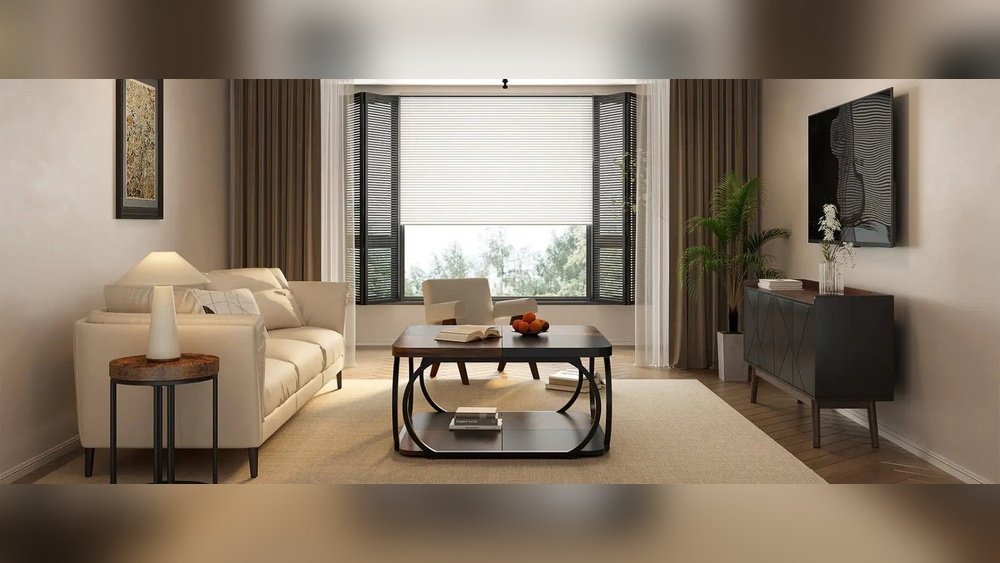
Choosing a coffee table might look simple at first. You walk into a store, pick one that looks nice, and call it a day. But when you bring it home, you might find out it’s too big, too small, the wrong color, or just doesn’t fit with your sofa. In reality, picking the best coffee table is about more than style. It’s about size, function, shape, material, budget, and even your daily habits. When you get it right, a coffee table can bring your room together, make life easier, and last for years.
In this guide, you’ll find practical advice on how to choose the perfect coffee table for your space and lifestyle. You’ll learn about measurements, materials, colors, shapes, and more. You’ll also discover some helpful tips that most beginners miss—details that can save you money, time, and frustration.
By the end, you’ll be able to shop with confidence and avoid the most common mistakes people make.
Why Your Coffee Table Matters
A coffee table is more than a place to set your cup or rest your feet. It’s the heart of your living room. It’s where you play board games, stack magazines, put remotes, serve snacks, and sometimes even eat dinner. In many homes, the coffee table is used every day. That’s why it has to be both beautiful and practical.
A good coffee table can:
- Anchor your seating area
- Create flow and balance in your room
- Offer storage and organization
- Reflect your style and personality
But the wrong coffee table can make your room feel crowded, awkward, or incomplete. That’s why it pays to choose carefully.
Step 1: Measure Your Space
Before you even think about style or color, start with measurements. A coffee table that’s too big will block movement. One that’s too small will look lost. To get it right, grab a tape measure and write down these numbers:
- Length of your sofa – This will guide the length of your table.
- Distance between sofa and TV stand or wall – This tells you how much space you have for the table.
- Width of your seating area – If you have a sectional or chairs, measure the whole grouping.
As a rule of thumb:
- The length of your coffee table should be about two-thirds the length of your sofa.
- There should be 16–18 inches between the table and the sofa for easy movement.
- Allow 24–30 inches between the table and other furniture or walls.
Here’s an example:
| Sofa Length | Recommended Table Length | Minimum Distance (Sofa to Table) | Minimum Distance (Table to TV/Wall) |
|---|---|---|---|
| 84 inches (213 cm) | 56 inches (142 cm) | 16 inches (41 cm) | 24 inches (61 cm) |
| 72 inches (183 cm) | 48 inches (122 cm) | 18 inches (46 cm) | 30 inches (76 cm) |
Non-obvious tip: Use painter’s tape to mark the table’s outline on your floor before buying. This helps you see if the size feels right and lets you walk around it.
Step 2: Decide On The Right Height
The height of your coffee table matters for comfort and looks. The best rule is that your coffee table should be the same height as your sofa seat, or 1–2 inches lower. This makes it easy to reach for a drink, remote, or book.
Most sofas have a seat height of 16–18 inches. Coffee tables usually range from 15 to 19 inches. If your sofa is low, choose a lower table. For deep, plush sofas, go for a taller table.
Pro tip: If you often eat or work at your coffee table, a slightly higher table may be more practical.
Step 3: Choose The Best Shape
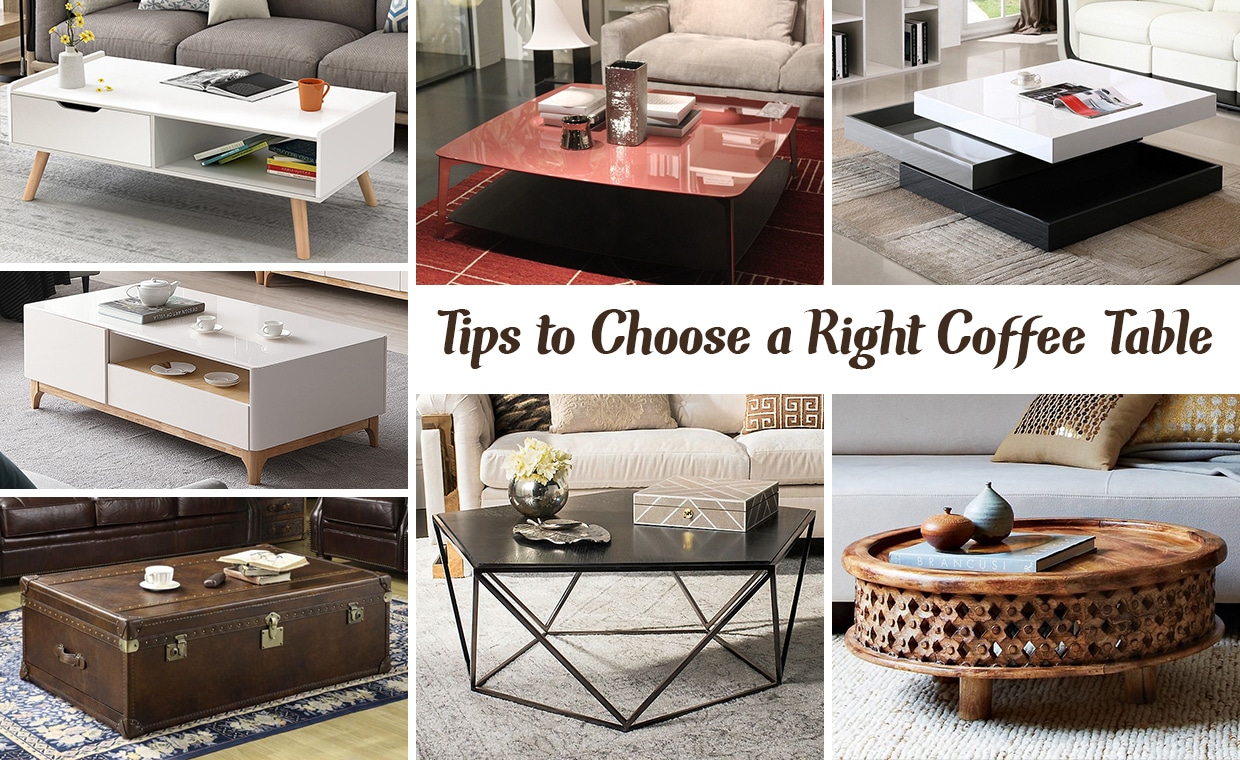
Shape is not just about style—it affects how you use the table and move around the room. The most common shapes are rectangular, square, round, and oval. Each has benefits:
- Rectangular: Fits most sofas and provides more surface area. Great for long, narrow rooms.
- Square: Works well with large sectionals or square seating areas. Offers a balanced look.
- Round: Softer edges, safer for kids, and easy to walk around. Good for small spaces or L-shaped sofas.
- Oval: Combines the best of both—long like a rectangle but with no sharp corners.
Here’s a quick comparison:
| Shape | Best For | Pros | Cons |
|---|---|---|---|
| Rectangular | Standard sofas, long rooms | Max surface, classic look | Sharp corners |
| Square | Sectionals, large rooms | Balanced, stable | Can feel bulky |
| Round | Small spaces, kids | No corners, easy flow | Less surface area |
| Oval | Family rooms, narrow spaces | Safe, versatile | Hard to find matching styles |
Hidden insight: If you have pets or young children, a round or oval table reduces risk of bumps and bruises.
Step 4: Pick The Right Material
Your choice of material affects the look, feel, durability, and care of your coffee table. There are many options, each with strengths and weaknesses.
Wood
- Pros: Warm, classic, sturdy, easy to match with most furniture.
- Cons: Can scratch, may need maintenance, heavy.
- Best for: Traditional, rustic, or casual rooms.
Glass
- Pros: Makes rooms feel larger, easy to clean, modern look.
- Cons: Shows fingerprints, can shatter, not ideal for kids.
- Best for: Small spaces, modern or minimalist rooms.
Metal
- Pros: Durable, stylish, many finishes (brass, chrome, black).
- Cons: Can feel cold, may scratch floors, heavy.
- Best for: Industrial, contemporary, or urban decor.
Stone (marble, Granite)
- Pros: Luxurious, unique patterns, long-lasting.
- Cons: Heavy, can stain, expensive.
- Best for: High-end, classic, or formal rooms.
Other Options
- Acrylic/Lucite: Clear, lightweight, invisible look.
- Rattan/Wicker: Casual, textured, lightweight.
Unexpected advice: Mixed-material tables (wood plus metal, glass plus stone) often blend styles and add interest. They can also be more forgiving if your decor changes over time.
Step 5: Consider Function And Storage
Think beyond looks. How will you use your coffee table every day? Do you need storage, or is a simple surface enough?
Common Functions
- Display: Show off books, plants, or art.
- Serving: Place drinks, snacks, or trays for guests.
- Storage: Hide remotes, magazines, or toys.
- Multi-purpose: Use as a bench, footrest, or desk.
Some coffee tables come with shelves, drawers, or lift-tops for extra storage. Others are simple and open. If your living room is small or you want to reduce clutter, look for tables with built-in storage.
Non-obvious insight: Some tables have hidden compartments or tops that lift for eating or working. These are great for small apartments or busy families.
Step 6: Match Your Style
Your coffee table should reflect your taste and fit your room’s style. Here are a few popular styles:
- Modern: Clean lines, simple shapes, often glass or metal.
- Traditional: Wood, carved details, classic shapes.
- Industrial: Metal, reclaimed wood, raw finishes.
- Rustic: Natural wood, worn finishes, chunky designs.
- Scandinavian: Light woods, minimalist, functional.
- Boho: Rattan, wicker, mixed patterns and textures.
If your sofa is bold, choose a neutral table. If your seating is simple, you can go bold with your table—color, shape, or material.
Expert tip: Don’t try to match your coffee table exactly to your other furniture. Instead, look for harmony—shared colors, materials, or shapes.
Step 7: Choose The Right Color And Finish
Color can change the whole feeling of your living room. Light colors make a space feel open and airy. Dark colors add drama and coziness. Wood tones can be warm or cool depending on the stain.
- Light finishes: Great for small or dark rooms, create a casual feel.
- Dark finishes: Add richness, hide stains, work well in large or bright rooms.
- Bold colors: Make a statement, fit playful or modern spaces.
Don’t forget about the finish—matte, glossy, distressed, or natural. Glossy tables reflect more light but show fingerprints. Distressed or matte finishes hide scratches better.
Practical tip: If you have kids or pets, avoid high-gloss finishes or glass tops that show smudges and scratches.
Step 8: Think About Budget
Coffee tables come in a huge range of prices. You can find basic tables for under $100, or designer pieces for thousands. Set a budget before you start shopping, but remember to weigh quality against price.
- Under $200: Simple designs, basic materials (laminate, MDF, some metals).
- $200–$600: Solid wood, glass, more style choices, better durability.
- $600+: Designer brands, stone, custom pieces, unique materials.
True cost tip: Sometimes a cheap table looks good but falls apart quickly. Investing a bit more can save money in the long run.
Step 9: Evaluate The Quality
Not all coffee tables are built the same. Check these details before you buy:
- Construction: Is the table solid and stable? Does it wobble?
- Joints: Are the corners well-joined? Dovetail or mortise-and-tenon joints are stronger than glue or staples.
- Surface: Is the finish smooth? Are there any rough edges or splinters?
- Hardware: Are handles, hinges, or feet sturdy and well-attached?
If shopping online, read reviews and look for real customer photos.
Step 10: Consider Maintenance And Durability
Different materials need different care. Think about your lifestyle:
- Wood: Needs coasters, may need oiling or refinishing over time.
- Glass: Wipe fingerprints and dust often.
- Metal: Can scratch or rust, but easy to clean.
- Stone: Needs sealing, can stain from spills.
If you want low maintenance, go for laminate, powder-coated metal, or composite materials.
Long-term tip: Ask about warranties or repair options, especially for expensive tables.
Step 11: Don’t Forget About Safety
If you have kids or pets, safety is a big deal. Look for:
- Rounded corners (to avoid bruises)
- Stable base (hard to tip over)
- Non-shattering glass (tempered glass is safer)
- No sharp edges or small removable parts
Even adults can bang their shins on sharp corners, so think about how you move in your space.
Step 12: Plan For Delivery And Assembly
Some coffee tables are heavy or come in pieces. Make sure you:
- Know the package size and weight
- Have help to carry it if needed
- Understand the assembly steps (some are easy, some need tools)
- Check for missing or damaged parts before building
If you live in a building with stairs or no elevator, measure doorways and hallways.
Step 13: Try Before You Buy (if Possible)
Photos can be misleading. If you can, visit a store and:
- Touch and feel the table
- Check the finish and quality
- See how it looks with your sofa (bring a cushion or fabric swatch)
- Test the height and how it feels to use
If shopping online, look for free returns or good return policies.
Unexpected advice: Some stores offer virtual room planners or AR apps—use your phone to “see” the table in your room before buying.
Step 14: Think About Sustainability
More people are choosing furniture that’s good for the planet. Consider:
- Tables made from recycled or reclaimed wood
- FSC-certified wood (responsibly harvested)
- Non-toxic finishes and glues
- Buying second-hand or vintage
These options can be stylish, unique, and eco-friendly.
For more on sustainable furniture, see the EPA’s Sustainable Materials guide.
Step 15: Add Accessories And Style
Once you have your coffee table, make it your own. A few ideas:
- Tray: Organizes remotes and coasters, easy to move for cleaning.
- Books: Stack a few favorites or art books for interest.
- Plants: A small plant or flowers add life and color.
- Bowls or baskets: Hold keys, snacks, or small items.
- Candles: Add warmth and scent, but keep away from kids and pets.
Don’t overdo it—a cluttered table is hard to use.
Common Mistakes To Avoid
Even with all this advice, some mistakes trip up buyers. Watch out for:
- Ignoring scale: A table that’s too big or small throws off the room.
- Choosing style over function: Looks matter, but you’ll regret it if the table doesn’t work for your life.
- Forgetting about maintenance: That pretty glass table might drive you crazy with fingerprints.
- Not checking for safety: Sharp corners and wobbly legs are accidents waiting to happen.
- Over-accessorizing: Too many items make the table hard to use.
How To Shop For A Coffee Table Online
Shopping online opens up options but adds risk. Here’s how to get it right:
- Check measurements—don’t rely on pictures.
- Read reviews—look for comments on quality and assembly.
- Zoom in on photos—check finish, edges, and hardware.
- Compare prices—sometimes the same table is cheaper elsewhere.
- Look for free shipping or returns—saves money and stress.
- Check delivery times—some custom tables take weeks or months.
Insider tip: Some online stores let you filter by size, material, or color. Use these filters to narrow your search and avoid scrolling through hundreds of options.
How To Make A Small Room Feel Bigger With The Right Coffee Table
If your living room is small, the right coffee table can make it feel more open:
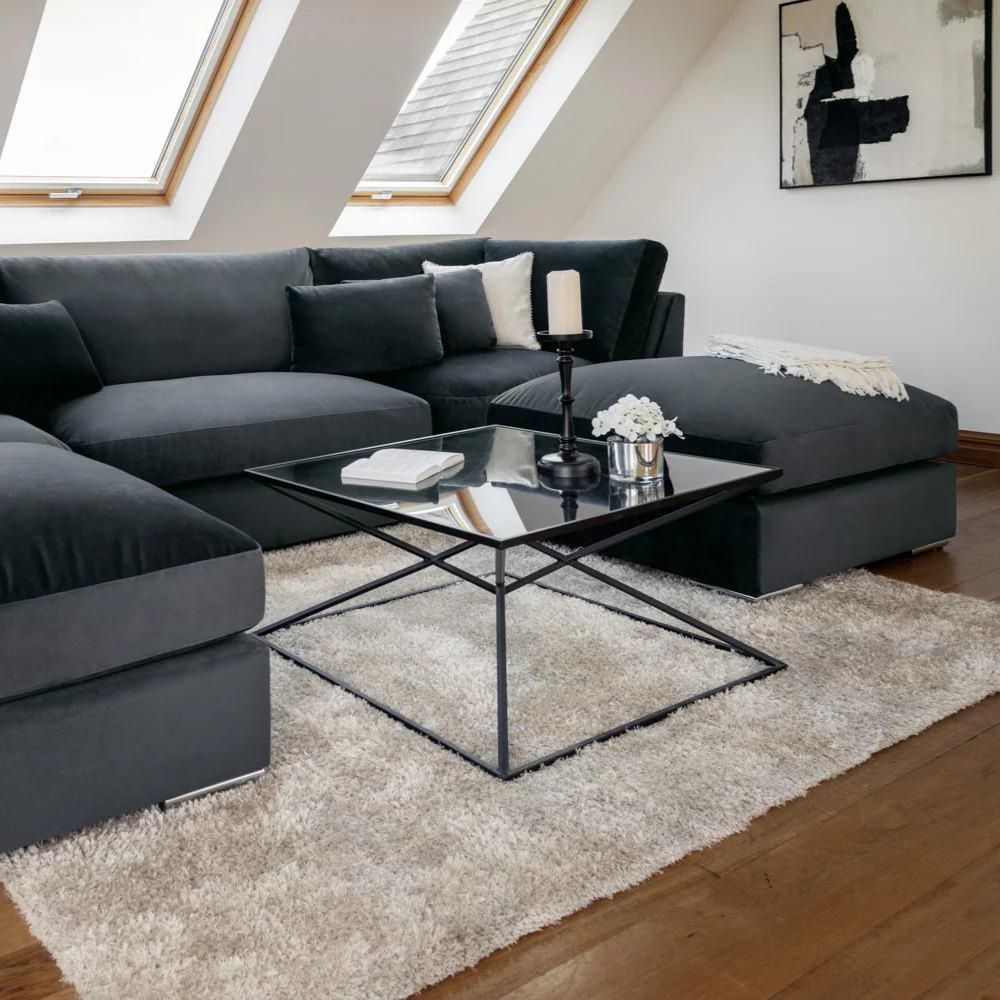
- Choose glass or acrylic—they “disappear” and don’t block light.
- Pick a light color or finish—reflects more light, feels airy.
- Go for round or oval—easier to walk around.
- Look for open bases or legs—show more floor, less bulk.
- Use nesting tables—stack when not in use.
How To Mix And Match With Your Other Furniture
Mixing styles is not only allowed—it’s encouraged. Here’s how to do it:
- Use contrast—if your sofa is soft and plush, try a metal or glass table.
- Repeat shapes or materials—if your room has metal lamps, a table with metal legs ties things together.
- Match color undertones—cool wood with cool colors, warm wood with warm colors.
Expert tip: Don’t be afraid to try something bold if it fits your personality and feels right in your space.

What To Do If You Can’t Find The Perfect Coffee Table
If nothing seems right, you have options:
- Use a bench or ottoman—soft, safe, and can double as seating.
- Try two smaller tables—flexible, easy to move.
- Look for custom or local makers—unique, made-to-fit solutions.
- Consider vintage or second-hand—often better quality for less money.
Quick Checklist For Buying The Best Coffee Table
Before you buy, run through this checklist:
- Measured your space?
- Chosen the right height and shape?
- Picked a material that fits your lifestyle?
- Decided on storage needs?
- Matched your style and color preferences?
- Set a budget and checked quality?
- Considered maintenance and safety?
- Checked delivery and assembly info?
- Thought about sustainability?
- Planned for accessories and styling?
A little planning now means years of satisfaction later.
Frequently Asked Questions
What Size Coffee Table Should I Get For My Sofa?
The best coffee table is usually about two-thirds the length of your sofa and sits 1–2 inches lower than the seat height. Leave at least 16–18 inches between the table and sofa for easy movement.
Which Coffee Table Shape Is Safest For Children?
Round or oval tables are safest because they have no sharp corners. Look for sturdy bases and avoid glass tops if you have young kids.
What Is The Best Material For A Coffee Table?
There’s no single “best” material—it depends on your needs. Wood is classic and sturdy, glass makes rooms feel bigger, metal is modern and tough, and stone is stylish but heavy. For families, wood or metal is most practical.
How Do I Match My Coffee Table To My Other Furniture?
Look for harmony in color, material, or shape—don’t try to match everything exactly. For example, repeat a metal accent or use a similar wood tone. Mixing styles adds personality.
Can I Use An Ottoman Instead Of A Coffee Table?
Yes, many people use an ottoman as a coffee table. It’s soft, safe, and can double as extra seating. Just add a tray on top to hold drinks or snacks.
—
Choosing the best coffee table is a mix of measurements, style, and practical thinking. Take your time, test your options, and remember that the right table should make your life easier, not harder. With this guide, you’re ready to find a table that fits your space, your needs, and your style—one you’ll love for years to come.