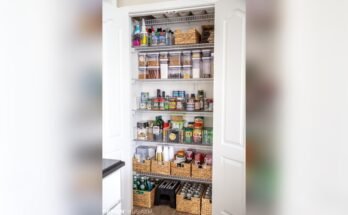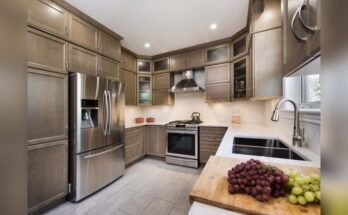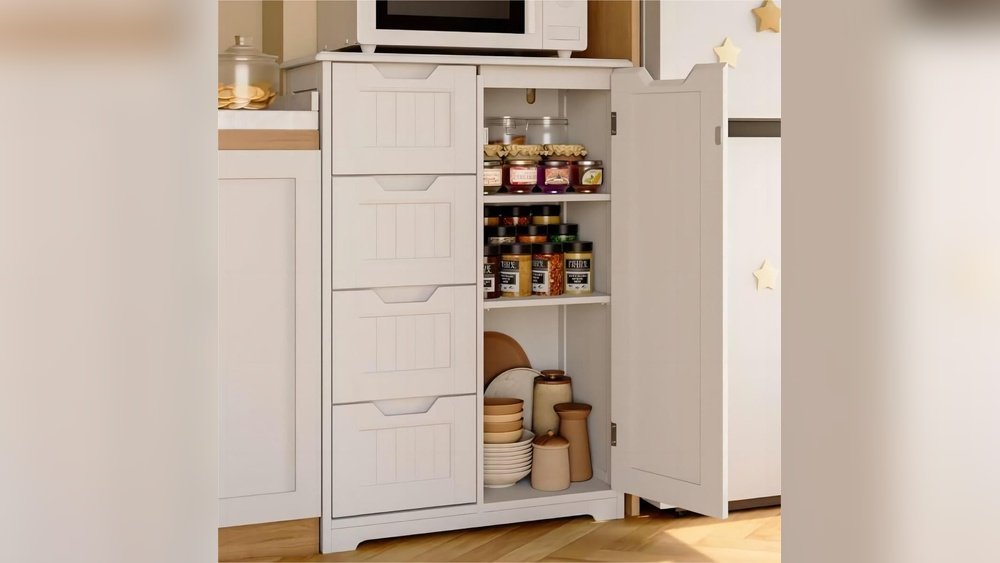
Are Pantry Storage Cabinets Good For Small Kitchens?
If you have a small kitchen, you know every inch matters. Cooking, cleaning, and storing food can quickly become stressful when space is limited. Finding the right storage solution often feels like a puzzle. One common suggestion is to use pantry storage cabinets. But do they really help in small kitchens, or do they just make things feel more crowded? Let’s dig deep to find out if pantry storage cabinets are a smart choice, how to pick the right one, and what mistakes to avoid.
What Makes Small Kitchens Challenging?
People love cozy kitchens for their convenience, but small kitchens come with real challenges. You have to manage with less counter space and fewer cabinets. This means everything must have its place. When things pile up, it’s hard to find what you need or even prepare a meal.
Clutter is the enemy of small kitchens. If your food, pots, and cleaning supplies are not well-organized, you lose space fast. Many people struggle with storing dry goods, snacks, and other pantry items. That’s where a pantry storage cabinet can help. But before you jump in, it’s important to understand what these cabinets really offer.
What Is A Pantry Storage Cabinet?
A pantry storage cabinet is a tall, often narrow cupboard designed for storing food and kitchen supplies. Unlike regular kitchen cabinets, pantry cabinets are typically standalone pieces. They come in many sizes, shapes, and materials. Some are simple with shelves, while others include drawers, baskets, or even pull-out racks.
Pantry cabinets can be placed against a wall, in a corner, or even built into an unused space. Many people with small kitchens use them to add extra storage without remodeling their entire kitchen. The right pantry cabinet can make your kitchen more organized and less stressful.
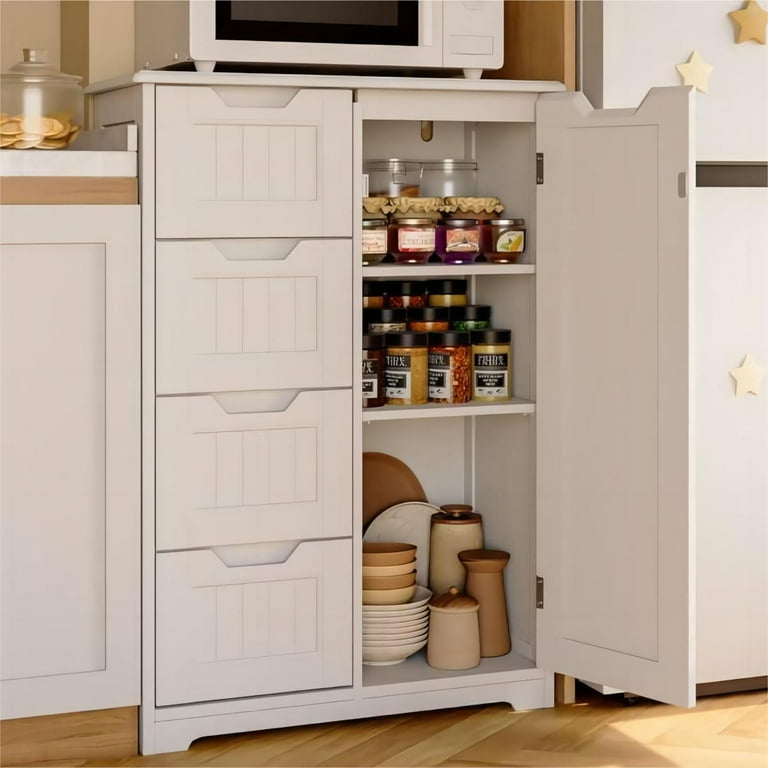
How Pantry Cabinets Change Small Kitchens
Freeing Up Counter Space
One of the biggest benefits of a pantry storage cabinet is freeing up your counters. In small kitchens, counters quickly get crowded with jars, snacks, or appliances. By moving food items into a dedicated cabinet, you gain more room to cook and clean. For example, storing cereals, spices, and canned goods in a pantry cabinet can clear a surprising amount of space.
Creating Vertical Storage
Small kitchens often have unused wall space. Pantry cabinets let you use this vertical area. Rather than spreading things out, you stack them up. A tall cabinet with five or six shelves can store many items in a small footprint.
This is much more efficient than adding more lower cabinets, which usually require more floor space.
Reducing Clutter And Stress
When every item has a place, you spend less time searching and more time cooking. Pantry cabinets make it easier to sort your food and supplies. You can use bins, baskets, or shelf risers inside the cabinet for even more order.
A well-organized pantry cabinet means you’re less likely to buy duplicates or let food expire.
Improving Kitchen Appearance
A messy kitchen can feel even smaller. Pantry cabinets hide clutter behind closed doors, making your kitchen look tidy and bigger. Many modern cabinets come in stylish designs, so they can actually improve your kitchen’s look.
Types Of Pantry Storage Cabinets For Small Kitchens
Not all cabinets are the same. Choosing the right type depends on your kitchen’s layout, your needs, and your budget. Here are some common options:
- Freestanding Pantry Cabinets: These are tall, movable units you can place wherever you have space. They’re great if you rent or want flexibility.
- Built-in Pantry Cabinets: Installed as part of your kitchen layout, these cabinets often blend with your existing cabinets. They are usually more expensive, but they save space and look seamless.
- Slim Pull-Out Cabinets: These fit into narrow gaps, like the space between your fridge and wall. They slide out on rails and store canned goods or spices.
- Corner Pantry Cabinets: Designed for awkward corner spaces, these cabinets often have rounded shelves or lazy Susans.
- Over-the-Door Pantry Organizers: Not exactly a cabinet, but these hang on the back of a door for extra storage. They’re a good option for ultra-small kitchens.
- Wall-Mounted Cabinets: These attach to the wall, freeing up floor space. They’re ideal if your kitchen is too tight for a floor cabinet.
Let’s compare some of these options in a simple way:
| Type | Floor Space Needed | Storage Capacity | Best For |
|---|---|---|---|
| Freestanding | Medium | High | Renters, flexible use |
| Built-in | Low/Medium | High | Permanent homes |
| Pull-Out | Low | Medium | Tight spaces |
| Corner | Medium | Medium | Awkward corners |
| Wall-Mounted | None | Low/Medium | Very small kitchens |
How To Choose The Right Pantry Cabinet For A Small Kitchen
Selecting the best pantry storage cabinet for your kitchen isn’t just about buying the tallest one. You need to consider your kitchen’s layout, your storage needs, and your daily habits.
Measure Your Space
Always start by measuring the space where you want to put the cabinet. Small kitchens can have tricky layouts, and even a few inches matter. Don’t forget to check the cabinet’s depth and the swing of any doors or drawers.
A cabinet that blocks your fridge or oven is not helpful.
Prioritize Storage Needs
What do you need to store? If you buy a lot of canned or packaged foods, look for cabinets with adjustable shelves. If you store small items like spices, pull-out racks or bins will help keep things organized.
Go Vertical, Not Wide
Tall, narrow cabinets use less floor space but offer plenty of storage. A cabinet that’s 18 inches wide but 72 inches tall can hold more than a short, wide one. Just make sure you can reach the top shelf, or keep a step stool nearby.
Match Your Kitchen Style
A cabinet that looks out of place can make your kitchen feel more cramped. Try to match the color and style with your existing cabinets or appliances. Many stores offer cabinets in different finishes, from classic wood to modern white or even glass doors.
Consider Assembly And Installation
Some cabinets require complex assembly, while others are ready to use. If you’re not handy, look for cabinets that are easy to put together or ask about professional installation.
Think About Budget
Pantry cabinets come in a wide price range. Freestanding models can start at $100, while built-in cabinets may cost $400 or more. Don’t forget to factor in delivery or installation costs if needed.
Here’s a quick look at what matters most when choosing:
| Factor | Why It Matters |
|---|---|
| Size/Dimensions | Ensures a good fit and avoids blocking appliances |
| Number of Shelves | Allows for flexible storage of different items |
| Material Quality | Impacts durability and appearance |
| Door Style | Sliding doors save space; glass doors show contents |
| Ease of Cleaning | Helps keep your kitchen hygienic |
Pros And Cons Of Pantry Cabinets In Small Kitchens
Like any kitchen solution, pantry cabinets have advantages and disadvantages. Knowing both sides helps you make a smart choice.
Pros
- Maximize storage: Tall cabinets offer lots of space for food and kitchen tools.
- Reduce clutter: Closed doors hide mess, making your kitchen look neater.
- Flexible: Freestanding cabinets can move with you if you change homes.
- Customizable: Many cabinets have adjustable shelves or add-ons.
- Protect food: Cabinets keep food away from sunlight, pets, and dust.
Cons
- May take up floor space: In extremely tight kitchens, even a narrow cabinet can feel big.
- Can block light: Tall cabinets near windows or doorways can reduce natural light.
- Hard to reach top shelves: Very tall cabinets may need a step stool.
- Assembly required: Some cabinets are hard to build without tools or help.
- Can look bulky: If not chosen carefully, cabinets can make a kitchen feel crowded.
Real-life Examples: When Pantry Cabinets Work (and When They Don’t)
Let’s look at a few situations to see how pantry cabinets perform in actual small kitchens.
Example 1: Tiny Apartment Kitchen
Maria lives in a small city apartment with only one wall of cabinets. She added a 15-inch wide, 72-inch tall freestanding pantry cabinet next to her fridge. This gave her five extra shelves for food and cleaning supplies. She gained back her counter space and her kitchen looks less cluttered.
Key Insight: Even a narrow cabinet can make a big difference if you use vertical space.
Example 2: Shared Kitchen In A Dorm
A group of students shares a small kitchen. They chose an over-the-door organizer for snacks and a wall-mounted cabinet for dishes. There was no room for a big pantry cabinet, but these smaller solutions helped.
Key Insight: Not all kitchens can fit a large cabinet, but smaller organizers can still help.
Example 3: Small Family Home
A family of four wanted more storage in their galley kitchen. They removed an old microwave cart and replaced it with a slim pull-out pantry cabinet. Now, they store all dry goods in one place. This reduced shopping mistakes and made meal prep faster.
Key Insight: Replacing less efficient furniture with a pantry cabinet can upgrade your kitchen’s function.
How To Organize A Pantry Cabinet For Maximum Space
Buying a pantry cabinet is just the start. To get the most out of it, you need to organize it well. Here are practical steps:
- Sort and Group: Keep similar items together—canned goods on one shelf, baking supplies on another.
- Use Clear Containers: Store grains or snacks in see-through bins so you can see what’s inside.
- Label Everything: Labels help you find things quickly and avoid buying duplicates.
- Use Shelf Risers or Baskets: These help you use every inch, especially in deep cabinets.
- Keep Frequently Used Items at Eye Level: Place daily-use foods on the middle shelves for easy access.
A common mistake is overfilling the cabinet. If you can’t see the back of a shelf, you’ll lose track of items. Clean and reorganize your pantry every few months to keep it efficient.
Mistakes To Avoid When Using Pantry Cabinets In Small Kitchens
Many people buy a pantry cabinet and feel disappointed when it doesn’t solve their storage problems. Here are common mistakes to avoid:
- Ignoring measurements: Even a small difference can stop a cabinet from fitting.
- Choosing the wrong type: A wide cabinet may block walkways or doors.
- Not securing tall cabinets: Unstable cabinets can tip over, especially if you have kids or pets. Always anchor tall cabinets to the wall.
- Overloading shelves: Putting too much weight can warp or break shelves.
- Letting clutter return: Without regular cleanup, the cabinet becomes messy and less useful.
Alternatives To Pantry Cabinets For Small Kitchens
If a pantry cabinet won’t fit your kitchen, there are still ways to add storage:
- Floating shelves: Add these above counters or over doors for extra space.
- Drawer organizers: Maximize the space inside existing drawers.
- Rolling carts: Slim carts can fit between appliances and move out of the way.
- Hanging racks: Use wall hooks for pots, pans, or utensils.
- Under-shelf baskets: Slide these onto existing shelves for extra layers.
These options work well in very tight spaces or when you need only a little extra storage.

Are Pantry Cabinets Worth The Investment?
For most small kitchens, a pantry storage cabinet is a smart investment. According to a survey by the National Kitchen & Bath Association, 78% of homeowners with small kitchens say extra storage is their top wish. Adding a pantry cabinet is often cheaper and faster than remodeling your kitchen.
In many cases, a good pantry cabinet can add years of life and usefulness to your kitchen. It helps you stay organized, shop smarter, and enjoy cooking more. If you choose carefully and avoid common mistakes, it’s a solution you won’t regret.
If you want more inspiration, check out how creative storage can transform small spaces in this Architectural Digest guide.
Frequently Asked Questions
What Size Pantry Cabinet Is Best For A Small Kitchen?
The best size is usually a narrow, tall cabinet—about 12–18 inches wide and 60–72 inches tall. This uses vertical space and fits into tight spots. Always measure your available area before buying.
How Do I Keep My Pantry Cabinet Organized?
Use clear bins, labels, and shelf risers. Group similar items together, and place the most-used foods at eye level. Clean and check the cabinet every few months to remove expired items.
Are Freestanding Pantry Cabinets Better Than Built-in Ones?
Freestanding cabinets are more flexible and easier to move or replace. Built-in cabinets look seamless and save space but are more expensive and permanent. Choose based on your needs and whether you rent or own.
Can I Fit A Pantry Cabinet In A Very Small Kitchen?
Yes, but you may need to pick a slim pull-out or wall-mounted cabinet. Even a narrow cabinet or over-the-door organizer can add valuable storage. Always avoid blocking doors or walkways.
Is It Safe To Put Heavy Items In A Pantry Cabinet?
Yes, if the cabinet is sturdy and properly anchored to the wall. Place heavier items on the bottom shelves to prevent tipping. Avoid overloading shelves beyond their weight limit.
A well-chosen pantry cabinet can be a game changer for small kitchens. With careful planning, the right size, and smart organization, you can enjoy a more spacious, efficient, and beautiful kitchen—no remodeling required.
:strip_icc()/blue-cabinets-kitchen-pantry-103292142-c74ff1d7e5f0456d9032b27576a5ecb9.jpg)