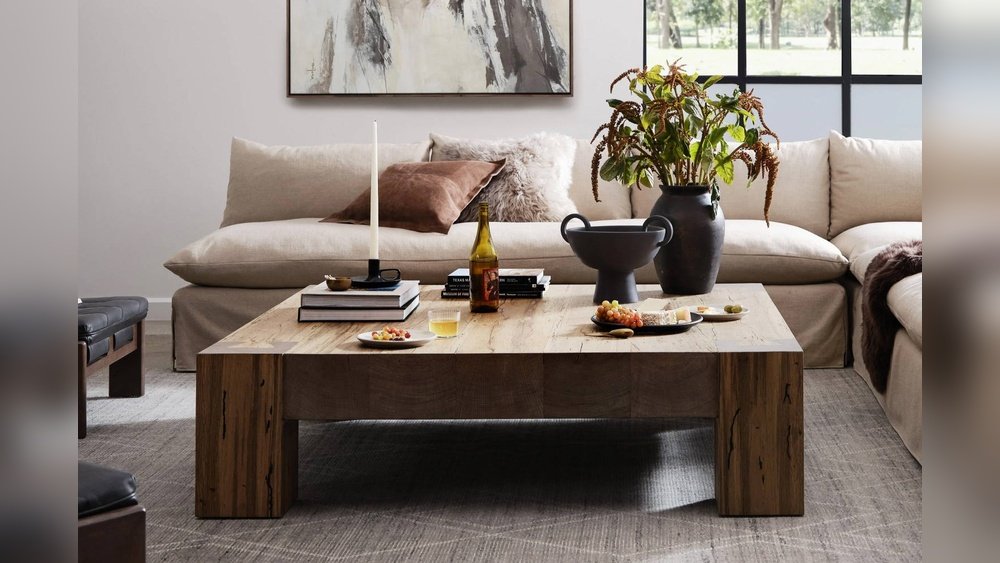
A living room is often the heart of a home. It’s where families gather, friends chat, and life unfolds. People spend time choosing a sofa, deciding on wall colors, and picking out artwork. But there’s one piece of furniture that often sparks debate: the coffee table. Is it truly necessary, or can a living room feel complete without one? This question divides designers, homeowners, and even renters. Let’s explore whether coffee tables are essential, what roles they play, and what to consider before deciding if you need one in your own space.
What Is A Coffee Table And Why Did It Become Popular?
Coffee tables are low tables placed in front of sofas or seating areas. They first gained popularity in the late 19th and early 20th centuries. Originally, they were called “cocktail tables.” Their purpose was simple: to hold drinks, snacks, books, and sometimes, feet. Over time, coffee tables became a symbol of hospitality and style.
The 1950s and 1960s saw a boom in modern furniture design. Coffee tables became a standard living room feature. Today, they come in many shapes, sizes, and materials, from classic wood to modern glass and even repurposed crates.
Practical Roles Of Coffee Tables
A coffee table can do more than just fill space. Here are the main practical roles:
- Surface for Daily Items: It’s a place to set drinks, snacks, remote controls, and phones. This keeps things within reach without cluttering the sofa or floor.
- Display Area: People use coffee tables to show off books, flowers, candles, or art objects, adding personality to a room.
- Storage Solution: Many coffee tables have drawers, shelves, or lift-tops. They hide magazines, games, or blankets, keeping the living room tidy.
- Functional Zone: Coffee tables create a “zone” in front of the sofa. This defines the seating area and can help with conversation flow.
- Activity Hub: For families, a coffee table is often used for board games, puzzles, or kids’ crafts.
These roles are why some people consider coffee tables a living room “must-have. ”
Common Arguments For Coffee Tables
People who say coffee tables are necessary often mention:
- Convenience: It’s easier to place things down rather than balance them on the sofa or floor.
- Aesthetic Balance: A coffee table can anchor the seating area and make the room look finished.
- Social Function: Guests need somewhere to put drinks or snacks.
- Extra Storage: A table with shelves or drawers adds hidden storage.
Some designers believe a living room without a coffee table feels “incomplete. ” They see it as the centerpiece that pulls everything together.
Arguments Against Coffee Tables
However, not everyone agrees. There are good reasons to skip a coffee table:
- More Space: Without a table, the room feels open and spacious. This matters in small apartments or homes.
- Flexible Layout: No coffee table means more room for yoga, kids’ play, or just stretching out.
- Safety: Families with toddlers or pets worry about sharp corners and bumps.
- Minimalism: Some people prefer a clean, simple look. Less furniture means less visual clutter.
In some cultures, the living room is arranged for sitting on the floor, so a low table is not needed. Others prefer using side tables or ottomans instead.
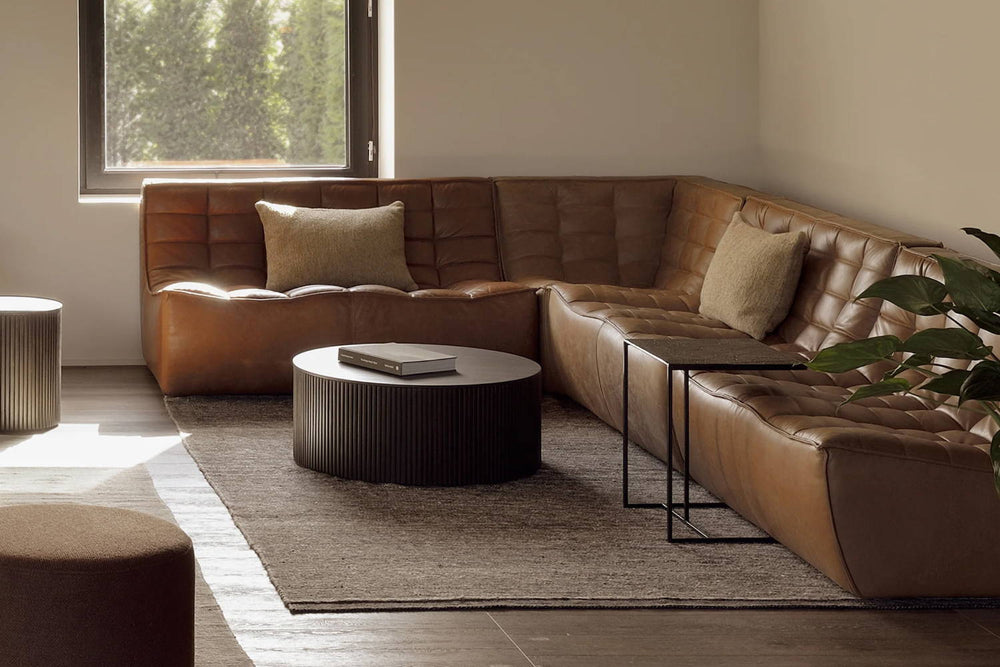
Coffee Table Vs. No Coffee Table: Visual Comparison
To see the impact, compare two living rooms:
| With Coffee Table | Without Coffee Table |
|---|---|
| Room feels anchored and finished | Room feels open and flexible |
| Convenient for holding items | Less clutter and more floor space |
| Easy to gather for games or snacks | Safer for kids and pets |
| More storage options | Minimalist, modern look |
This side-by-side view highlights why the answer depends on your needs and style.
When Is A Coffee Table Useful?
There are times when a coffee table makes sense:
1. You Entertain Often
If you host guests, a coffee table is handy for serving food, drinks, or playing games.
2. You Need Extra Storage
Some homes lack built-in storage. A coffee table with shelves or drawers can help keep things organized.
3. You Like Decorative Displays
If you love arranging flowers, books, or collectibles, a coffee table is the perfect stage.
4. You Use The Living Room For Multiple Activities
A sturdy table can handle crafts, homework, or even meals if you don’t have a dining space.
5. Your Room Is Large
In bigger rooms, a coffee table helps fill space and connects seating. Without one, furniture can look scattered.
When Can You Skip A Coffee Table?
There are also good reasons to go without:
1. You Have A Small Living Room
Space is valuable. Skipping the coffee table creates a bigger walkway and makes the room feel open.
2. You Want More Flexibility
No coffee table means you can move furniture around, dance, or play with kids and pets.
3. You Prefer A Minimalist Look
If you like things simple, leaving out the coffee table reduces visual clutter.
4. Safety Is A Concern
Families with small children or pets might worry about bumps and bruises from sharp corners.
5. You Use Alternatives
Ottomans, side tables, or nesting tables can serve similar purposes without taking up as much space.
Alternatives To Coffee Tables
You don’t have to choose between “coffee table or nothing.” Here are some popular alternatives:
- Ottomans: Soft, often padded, and can double as extra seating. Some have storage inside.
- Nesting Tables: Small tables that fit under each other. Pull them out as needed.
- Side Tables: Place them next to sofas or chairs. They’re easy to move and take up less space.
- Trays on Poufs: Place a tray on a pouf to create a temporary tabletop.
- Bench or Chest: Use a sturdy bench or storage chest for both seating and surface space.
Each option has its strengths and weaknesses. For example, ottomans are safer for kids but less steady for drinks. Side tables don’t take up much room but offer less surface area.
Table: Coffee Table Vs. Popular Alternatives
Here’s a comparison to help you decide:
| Option | Pros | Cons |
|---|---|---|
| Coffee Table | Large surface, anchors room, storage options | Takes up space, harder to move, can be sharp |
| Ottoman | Soft, safe, can be extra seating, storage possible | Less stable for drinks, may stain |
| Side Table | Compact, easy to move, flexible layout | Less space for serving, may need more than one |
| Nesting Tables | Expandable, tuck away when not used | Small size, sometimes uneven surface |
| Bench/Chest | Double as seating or storage, sturdy | May not match all decor, can be heavy |
How To Decide: Key Questions To Ask
Before buying a coffee table, ask yourself:
- How do you use your living room? If it’s mostly for watching TV or relaxing, a table can be handy. If it’s a playroom, you may want open space.
- How much space do you have? Measure before you shop. Coffee tables work best when there’s enough room to walk around them.
- Do you need storage? Some tables offer hidden storage, others do not.
- What’s your style? Modern, traditional, rustic? The table should fit your decor.
- Who lives in your home? Families with small kids or pets may need something softer or rounder.
- What’s your budget? Coffee tables range from under $50 to several thousand dollars.
Don’t rush. Sometimes living without a coffee table for a few weeks can help you decide if you truly need one.
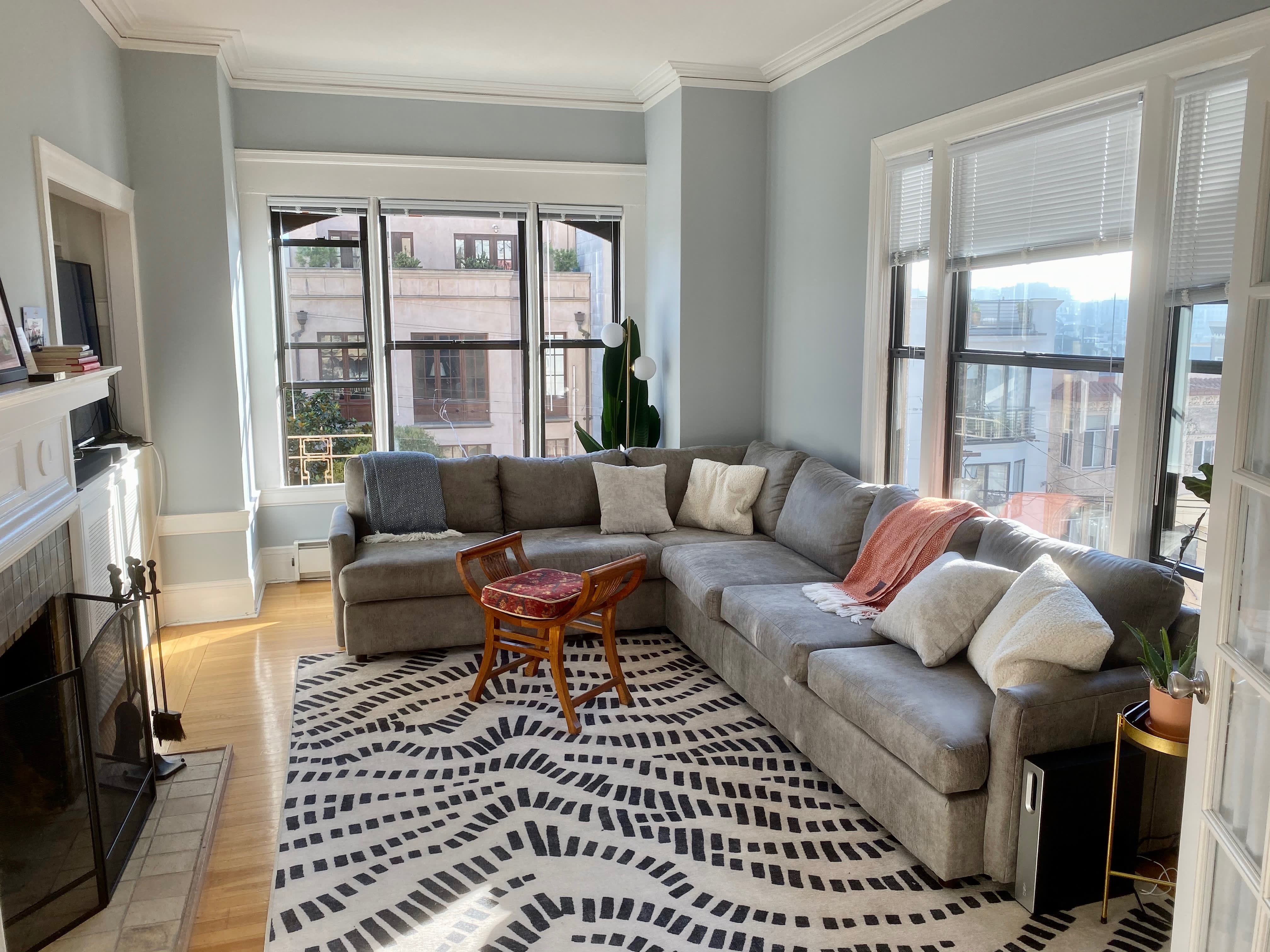
Common Mistakes When Choosing Or Using A Coffee Table
Many people make errors when shopping for or placing a coffee table. Here’s what to avoid:
- Wrong Size: A table that’s too large will crowd the room. Too small, and it looks out of place.
- Bad Height: The surface should be about the same height as your sofa seat, usually 16–18 inches (40–45 cm).
- Sharp Corners: In homes with young children or pets, sharp edges can cause injuries.
- Style Clash: Mixing a modern table with a very traditional sofa might not look right.
- Overcrowding: Using a coffee table plus many side tables can make the room feel cluttered.
Pro tip: Leave at least 18 inches (about 45 cm) between the sofa and table for easy movement.
Expert Opinions: What Designers Say
Interior designers have mixed views. Some, like Nate Berkus, say a coffee table “grounds the room” and is a chance to show personal style. Others, like Emily Henderson, suggest that in small spaces, it’s better to use nesting tables or skip the table altogether.
A 2022 survey by Houzz found that 73% of homeowners with living rooms had a coffee table, but among urban apartment dwellers, only 58% did. Many younger people and renters prefer alternatives.
Some designers suggest using two smaller tables instead of one large one. This makes rearranging easier and fits more layouts.
What About Feng Shui And Cultural Perspectives?
In Feng Shui, the ancient Chinese art of arranging spaces, the coffee table can affect energy flow. Rounded shapes are said to encourage good chi (energy), while sharp corners may block it. Some cultures sit on the floor, using low trays or nothing at all.
In Scandinavian homes, the look is often minimalist—sometimes with no coffee table, or just a simple wooden one. In Middle Eastern homes, large trays or poufs are common.
This shows there’s no single “right” answer. What works in one culture or home may not fit another.
How To Style A Living Room Without A Coffee Table
If you decide to skip the coffee table, your living room can still look stylish and feel complete. Here are some tips:
- Use a large area rug to define the seating space.
- Arrange seating close together to encourage conversation.
- Add a few side tables for drinks or lamps.
- Place a pouf or ottoman in the center for a casual feel.
- Use baskets or wall shelves for storage.
A room can feel warm and welcoming without a central table.
Data: Coffee Table Ownership And Trends
Recent home design data gives insight into how common coffee tables are:
- 73% of U.S. living rooms have a coffee table (Houzz 2022).
- 58% of urban apartments (smaller spaces) have no central coffee table.
- 64% of families with children under 5 prefer ottomans or padded tables.
- 85% of home decorators say the coffee table is a way to show personal style, but only 47% see it as “essential.”
These numbers show that while most people have coffee tables, a growing number choose alternatives, especially in smaller or family-focused homes.
Environmental Impact And Sustainability
An often-overlooked factor is the environmental cost of furniture. Coffee tables made from solid wood can last for decades, but fast-fashion tables may end up in landfills quickly. Glass and metal tables are sometimes easier to recycle.
If you want to be eco-friendly:
- Look for secondhand or vintage tables.
- Choose tables made from certified sustainable wood.
- Consider DIY options, like repurposed crates or pallets.
Some people skip the coffee table to reduce consumption and waste. This is a valid reason, especially if you’re trying to live more simply or sustainably.
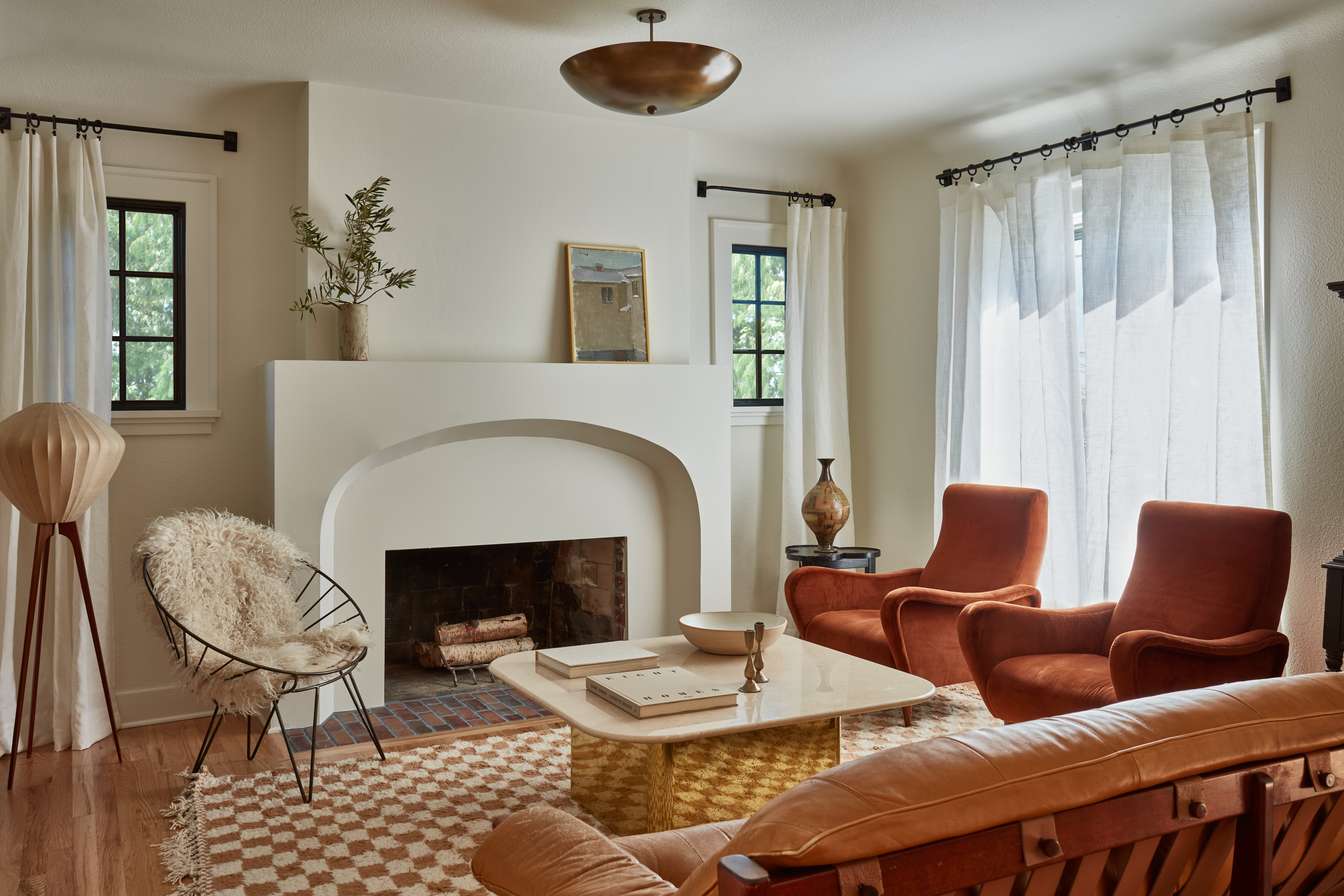
The Emotional Side: How A Coffee Table Changes A Room
A coffee table can do more than serve drinks. It sets the mood. A table with fresh flowers feels inviting. A stack of books or family photos makes the space personal.
However, sometimes the absence of a coffee table feels freeing. Open space can make a room feel peaceful, less crowded, and easier to clean.
One non-obvious insight: Many people don’t miss a coffee table after living without one for a month. They adapt quickly, using side tables or trays as needed.
The Verdict: Are Coffee Tables Necessary?
There is no one-size-fits-all answer. Whether a coffee table is necessary depends on your needs, lifestyle, and preferences. Here’s a quick summary:
- Coffee tables are useful for convenience, storage, and anchoring a room.
- They are not essential for every living room, especially in small spaces, homes with young children, or minimalist styles.
- Alternatives like ottomans, side tables, and nesting tables can meet most needs.
- The right choice is the one that fits your life, not just tradition or trends.
If you’re unsure, try living without a coffee table for a few weeks. Notice how you use the space. Sometimes, less really is more.
For more on furniture arrangement and living room trends, check this Architectural Digest article.
Frequently Asked Questions
Is It Okay To Have A Living Room Without A Coffee Table?
Yes, it’s perfectly okay. Many designers and homeowners skip the coffee table for more space, flexibility, or safety. You can use alternatives like side tables, ottomans, or nesting tables.
What Can I Use Instead Of A Coffee Table?
Popular alternatives include ottomans, side tables, nesting tables, and storage chests. You can also place a tray on a pouf or use floor cushions for a more relaxed style.
How Do I Choose The Right Coffee Table Size?
Measure your seating area. The table should be about two-thirds the length of your sofa and 16–18 inches (40–45 cm) high. Leave at least 18 inches (45 cm) of space between the table and sofa for easy movement.
Are Coffee Tables Safe For Homes With Kids Or Pets?
Some coffee tables have sharp corners or glass tops, which can be risky. Rounded tables, padded ottomans, or soft materials are safer options. Always consider your household’s needs.
Do Coffee Tables Add Value To A Home?
A coffee table can make a living room feel finished and inviting, which may help in home staging or sales. However, it’s not a major factor in home value. Style, cleanliness, and layout matter more to buyers.
A living room should fit your life, not just a checklist. Whether you choose a coffee table, an alternative, or nothing at all, make sure it feels right for you.