A small living room can feel cozy, stylish, or cramped—depending on the furniture you choose. One piece that makes a big difference is the coffee table. It’s the centerpiece, a spot for drinks, books, or your feet after a long day. But in a small space, the wrong table can block movement or make the room feel tight. So, what shape coffee table is best for a small living room? Let’s dive into smart choices, expert tips, and practical examples to help you make the perfect pick.
Why Shape Matters In Small Living Rooms
The shape of your coffee table does more than just define style. It affects how you move, how you use your space, and even how big or open your room feels. In a small living room, every inch counts. You need furniture that works with your layout, not against it.
A table that’s too big or the wrong shape can block paths and make the room look crowded. The right shape lets you move easily, offers enough surface area, and keeps the room looking balanced. It can also make your living area seem larger or more welcoming.
The Most Common Coffee Table Shapes
Before deciding what shape is best, it’s helpful to know your options. Most coffee tables fall into one of these shapes:
- Rectangular
- Square
- Round
- Oval
- Nesting
- Freeform or Irregular
Each has unique pros and cons, especially for small spaces. Let’s look at each one in detail.
Rectangular Coffee Tables: Classic And Practical
A rectangular coffee table is the most traditional. Its straight lines fit well in rooms where the sofa and chairs are also arranged in straight lines, like an “L” or “U” shape. This shape gives plenty of surface for snacks, decor, or laptops.
But is it the best for a small living room? Sometimes yes, but not always.
Advantages
- Maximizes surface area without taking up extra width.
- Fits neatly in front of most sofas.
- Can double as a bench or extra seat.
Disadvantages
- Sharp corners can get in the way in tight spots.
- May block pathways if it’s too long.
Tips For Small Spaces
- Choose a table that’s at least 2/3 the length of your sofa, but not longer.
- Look for slim legs or open frames to keep things airy.
- Consider tables with storage shelves below.
Real Example
A 40-inch rectangular coffee table works well in a 9×12 foot room with a standard sofa and a single armchair. It leaves enough space to walk around and sets clear zones.
Square Coffee Tables: Symmetry And Style
Square coffee tables give a sense of balance. They work well if you have a sectional or two small sofas facing each other. In small rooms, however, they can sometimes feel bulky.
Advantages
- Great for group seating or modular sofas.
- Can double as extra seating with a cushion on top.
Disadvantages
- Takes up more floor space than a rectangle or oval.
- Corners can be tricky in tight rooms.
Tips For Small Spaces
- Go for a table no bigger than 30×30 inches for most small rooms.
- Look for tables with hidden storage inside.
Real Example
A 28-inch square table fits nicely in a square room with a loveseat and two small chairs. It keeps the space cozy without blocking flow.
Round Coffee Tables: Safe And Flexible
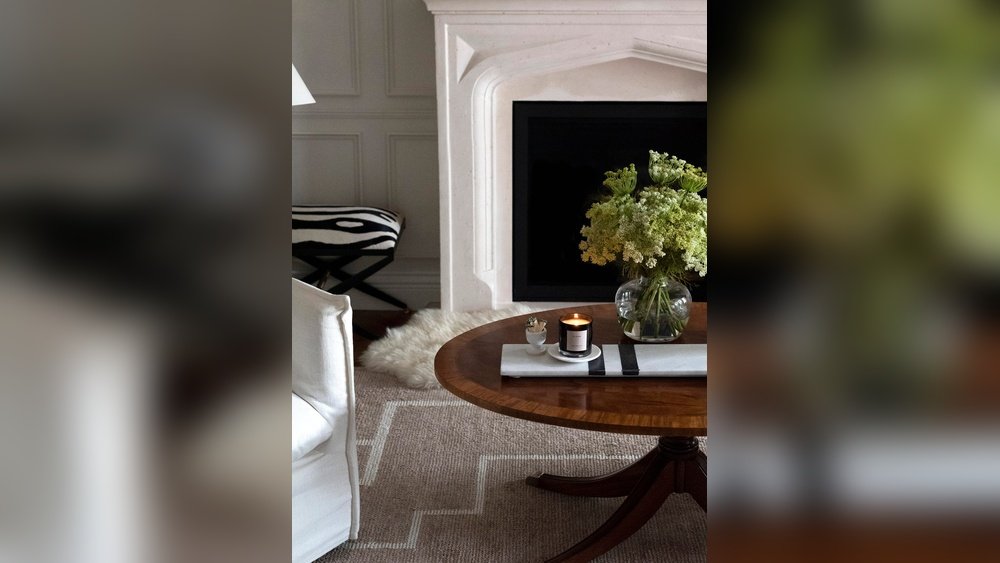
If you’re worried about bumping knees or squeezing past corners, a round coffee table is a smart choice. Its curves make it easier to move around, and it softens the look of the room.
Advantages
- No sharp edges—safe for kids or pets.
- Easier to move around in tight spots.
- Looks lighter and less “heavy” in a small space.
Disadvantages
- Offers a bit less surface space compared to rectangles.
- Not ideal for long, narrow rooms.
Tips For Small Spaces
- Pick a table with a diameter between 24 and 36 inches.
- Glass tops or open metal frames help the room feel larger.
Real Example
In a 10×10 foot room with a small sofa and two chairs, a 30-inch round table lets people walk by comfortably—even when guests are seated.
Oval Coffee Tables: The Best Of Both Worlds
An oval coffee table combines the length of a rectangle with the soft edges of a round table. This makes it a top pick for many small living rooms.
Advantages
- Easy to walk around—no sharp corners.
- Offers plenty of surface space.
- Works well with both rectangular and curved seating.
Disadvantages
- Slightly harder to find in stores compared to rectangles or rounds.
- May feel too long in a very tiny room.
Tips For Small Spaces
- Look for a table about 36-42 inches long and 18-22 inches wide.
- Choose light colors or glass for a more open look.
Real Example
An oval table about 38 inches long fits beautifully in a living room with a small sofa and a single chair, leaving clear walkways.
Nesting Coffee Tables: Smart And Adaptable
Nesting tables are a clever solution when space is tight. They come as two or three tables that fit under each other. Use them together as a coffee table, or pull them apart for snacks and drinks when you have guests.
Advantages
- Flexible use—expand or shrink as needed.
- Easy to move around.
- Can be stored away when not in use.
Disadvantages
- Smaller surface on each table.
- Not as solid for larger items.
Tips For Small Spaces
- Choose light-weight tables you can move easily.
- Opt for ones with a slim metal or wooden frame.
Real Example
In a studio apartment, a set of two round nesting tables lets you create a coffee table or split them for side tables as needed.
Freeform And Irregular Coffee Tables: Modern And Unique
Some coffee tables come in freeform or irregular shapes—like kidney beans, triangles, or organic blobs. These can add a modern touch and help the room feel less boxy.
Advantages
- Unique look adds style and personality.
- Can fit odd spaces where standard shapes don’t work.
Disadvantages
- Less predictable surface area.
- Harder to match with traditional furniture.
Tips For Small Spaces
- Use in rooms with modern or eclectic decor.
- Make sure the table isn’t too large for the area.
Real Example
A kidney-shaped table in a 9×10 foot room with a loveseat and pouf creates flow and avoids blocking paths.
Comparing Coffee Table Shapes For Small Spaces
Let’s compare the main coffee table shapes for small living rooms, focusing on key factors: movement, surface area, safety, and style.
| Shape | Movement | Surface Area | Safety | Style Impact |
|---|---|---|---|---|
| Rectangular | Good in narrow rooms | High | Sharp corners | Classic, fits most styles |
| Square | Can block flow | High | Sharp corners | Balanced, formal |
| Round | Easy to walk around | Medium | No corners | Soft, casual |
| Oval | Easy to walk around | High | No corners | Elegant, versatile |
| Nesting | Very flexible | Low (per table) | No/soft corners | Modern, adaptable |
| Freeform | Depends on shape | Varies | Usually safe | Trendy, unique |
How To Measure For The Perfect Fit
Getting the right size is just as important as the right shape. Here’s how to measure your space so you know what will fit.
- Measure your seating area—the space taken up by your sofa and chairs.
- Leave at least 16-18 inches between the coffee table and the sofa for comfortable walking.
- For small rooms, keep the coffee table about 2/3 the length of your sofa.
- The table’s height should be level with or slightly lower than your sofa seat (usually 16-18 inches).
A common mistake is choosing a table that’s too big. It can make the room feel crowded and limit movement. Always check your measurements before buying.
Best Coffee Table Shapes For Different Small Room Layouts
Not all small living rooms are the same. The best coffee table shape depends on your layout and how you use the space.
Small Square Room
A round or small square table works best. It keeps the space balanced and leaves room to move.
Long Narrow Room
Rectangular or oval tables fit well. They echo the shape of the room and leave walkways clear.
L-shaped Or Sectional Seating
Oval or round tables fit nicely inside the “L. ” Nesting tables also work well if you need flexibility.
Studio Apartments
Nesting tables or freeform tables can adapt as you change the space for work, sleep, and relaxing.
Materials And Finishes: Lighten The Look
Shape is key, but material and finish also affect how big or small a table feels.
- Glass tops let light pass through, making the table almost “disappear.”
- Light woods or pale colors feel less heavy than dark or bulky tables.
- Metal frames with open bases keep things airy.
- Avoid thick, blocky tables—they can overwhelm small rooms.
Here’s a quick comparison of materials for small spaces:
| Material | Visual Weight | Durability | Style Match |
|---|---|---|---|
| Glass | Very light | Moderate | Modern, minimal |
| Light Wood | Light | High | Scandinavian, casual |
| Metal | Light to medium | High | Industrial, modern |
| Dark Wood | Heavy | High | Traditional, formal |
| Upholstered | Medium | Moderate | Family-friendly, soft |
Storage Solutions In Coffee Tables
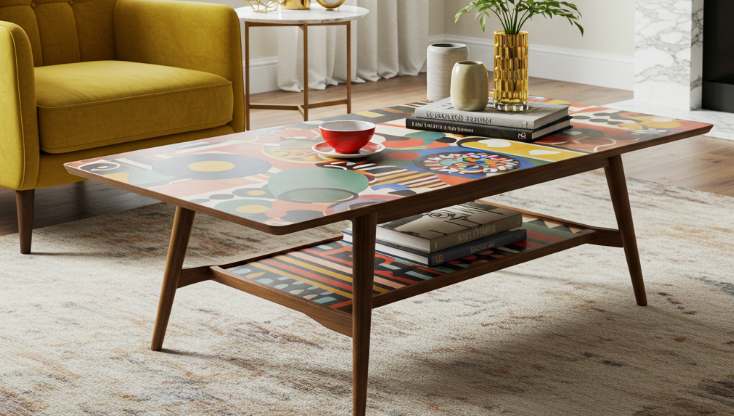
In a small living room, storage is gold. Many coffee tables now come with shelves, drawers, or lift-tops. This can hide away remotes, books, or blankets and keep surfaces clear.
- Lift-top tables give you a hidden spot for work or dining.
- Shelves below add space for magazines or baskets.
- Drawers keep clutter out of sight.
Look for tables that combine your ideal shape with smart storage to get the best of both worlds.
Styling Tips For Coffee Tables In Small Spaces
Once you have the right shape, style your coffee table to make your room feel bigger and more inviting.
- Use a tray to corral small items.
- Add a small plant or vase for freshness.
- Keep decor minimal—don’t overload the surface.
- Use books or coasters to add color and function.
A little goes a long way on a small coffee table. The goal is to keep things tidy and visually light.

Two Non-obvious Insights Most Beginners Miss
- Leaving “negative space” is key. Sometimes, the best coffee table for a very small living room is no coffee table at all—just a small ottoman or a set of nesting tables you can move aside. This negative space makes the room feel bigger and lets you rearrange for guests or activities.
- Multi-use tables can replace other furniture. A lift-top coffee table or storage ottoman can serve as a desk, dining table, and storage box. This lets you skip buying extra pieces, keeping the room open and clutter-free.
Mistakes To Avoid When Choosing A Coffee Table Shape
Even with all this advice, it’s easy to make mistakes. Here are some to watch out for:
- Choosing a table that’s too large for your seating area.
- Picking a shape that blocks walking paths.
- Forgetting about safety (sharp corners in tight spaces).
- Ignoring the height—tables that are too tall or short feel awkward.
- Overlooking storage—missing a chance to reduce clutter.
Real-world Examples: Matching Coffee Table Shape To Room Size
Let’s look at a few real-world examples to see how the right coffee table shape can make a difference.
Example 1: Tiny Apartment Living Room
- Size: 8×10 feet
- Seating: Small sofa, single chair
A 28-inch round glass coffee table keeps the space open, is easy to walk around, and works as a spot for drinks or a laptop.
Example 2: Long Narrow Room
- Size: 10×18 feet
- Seating: Sofa, two armchairs
A 40-inch oval table gives a long surface for snacks and drinks but leaves enough space to walk along the sides.
Example 3: Square Family Room
- Size: 12×12 feet
- Seating: Sectional sofa
A set of two nesting tables (one 24-inch, one 18-inch) lets you move pieces around for game night or movie snacks.
Example 4: Studio Apartment
- Size: 300 sq ft total
- Multi-use: Living, dining, sleeping area
A kidney-shaped freeform table with hidden storage becomes a dining spot, work desk, and clutter catcher, all in one.
Expert Recommendations
Most interior designers agree: round or oval tables are the best coffee table shape for small living rooms. They’re safer, easier to move around, and help the room feel open. But always consider your room’s shape, how you use the space, and your own style.
If you’re unsure, try using a large piece of paper or cardboard to mark out the shape and size on your floor. This lets you test the fit before you buy.
For more design tips on furniture layouts, check guides from Architectural Digest.
Frequently Asked Questions
What Size Should My Coffee Table Be For A Small Living Room?
Aim for a table about 2/3 the length of your main sofa and no wider than 24-30 inches. Leave at least 16-18 inches of space between the table and your seating for easy movement.
Are Round Coffee Tables Better For Small Spaces?
Yes, round coffee tables are usually better for small spaces. They have no sharp corners, are easier to walk around, and help the room feel more open.
How Can I Make My Coffee Table Work As Extra Storage?
Look for tables with shelves, drawers, or lift-tops. Nesting tables also add flexible surface space. Storage ottomans can double as coffee tables and hide blankets or games.
Can I Use More Than One Coffee Table In A Small Room?
Yes, but stick to small nesting tables or two matching tables. Multiple large tables can make the room feel crowded. Nesting tables offer flexibility without taking up extra space.
What Is The Best Material For A Coffee Table In A Small Living Room?
Glass, light wood, or open metal frames are best. They have a lighter look and don’t crowd the room visually. Avoid bulky, dark wood tables if you want the space to feel larger.
Finding the right coffee table shape for a small living room isn’t about following strict rules—it’s about choosing what works for your space, your style, and how you live. With the right shape, size, and style, even the tiniest living room can feel comfortable, functional, and beautiful.