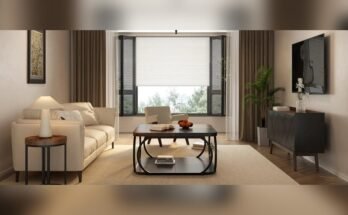
When you look around a modern living room, the TV stand is often a centerpiece. It’s not just a support for your television, but also a design element that blends with your furniture and holds your devices, consoles, and decorations.
But have you ever wondered, what materials are TV stands made of? The answer is more interesting than you might think. TV stands come in many shapes, sizes, and finishes, but their core materials decide how strong, stylish, and practical they really are.
This guide explores every major material used for TV stands, from classic wood to new-age glass and even mixed combinations. You’ll discover the pros, cons, and unique features of each, along with useful tips for choosing the right one for your home.
If you want to make a smart decision, knowing your materials is the first step.
Wood: The Classic And Timeless Choice
Wood has been used for furniture for centuries. It’s no surprise that wood TV stands are still very popular today. They bring warmth, character, and durability to any space.
Types Of Wood Used
- Solid Wood: This is the strongest and most durable option. Hardwoods like oak, walnut, and maple are common. They resist scratches and last for years. Pine and acacia are also used but are softer.
- Engineered Wood: Includes plywood, MDF (Medium Density Fiberboard), and particle board. These are made from wood fibers or layers glued together. They’re less expensive and lighter than solid wood but less sturdy.
- Veneer: A thin slice of real wood attached to a core of plywood or MDF. Veneer offers the look of real wood at a lower price.
Strengths And Weaknesses
- Solid wood stands are heavy, stable, and can support large TVs. They also handle wear and tear well. However, they are costly and can be damaged by moisture.
- Engineered wood is affordable and comes in many designs but can warp or chip if not handled carefully.
- Veneer gives a premium look but may peel over time.
Style And Finish
Wood can be stained, painted, or left natural. You can find anything from rustic farmhouse to sleek modern designs. The grain patterns of real wood make each piece unique.
Practical Insights
Beginners often overlook the weight of solid wood stands. Make sure your floor can handle the load. Also, check if the finish is water-resistant, especially if you have kids or pets.
Metal: Modern Strength And Sleek Looks
If you prefer a modern or industrial style, metal TV stands are a great choice. They are becoming more popular in contemporary homes.
Common Metals Used
- Steel: Offers high strength and durability. Often powder-coated or painted to prevent rust.
- Aluminum: Lighter than steel and naturally resists corrosion. Used in minimalist designs.
- Iron: Sometimes used in vintage or industrial pieces. Heavier and must be treated to avoid rust.
Advantages
- Metal stands can support heavy equipment without bending.
- Easy to clean and maintain.
- Fire-resistant and not damaged by moisture.
Drawbacks
- Can feel cold or harsh if not balanced with other materials.
- May scratch floors if not fitted with protective feet.
Design Flexibility
Metal is often combined with glass or wood for a mixed look. Shapes can be minimalist or decorative, depending on your taste.
Non-obvious Tip
Many buyers forget to check the welds and joints on metal stands. Poor-quality welding leads to wobbling over time. Look for smooth, even welds for long-term stability.
Glass: Elegance And Lightness
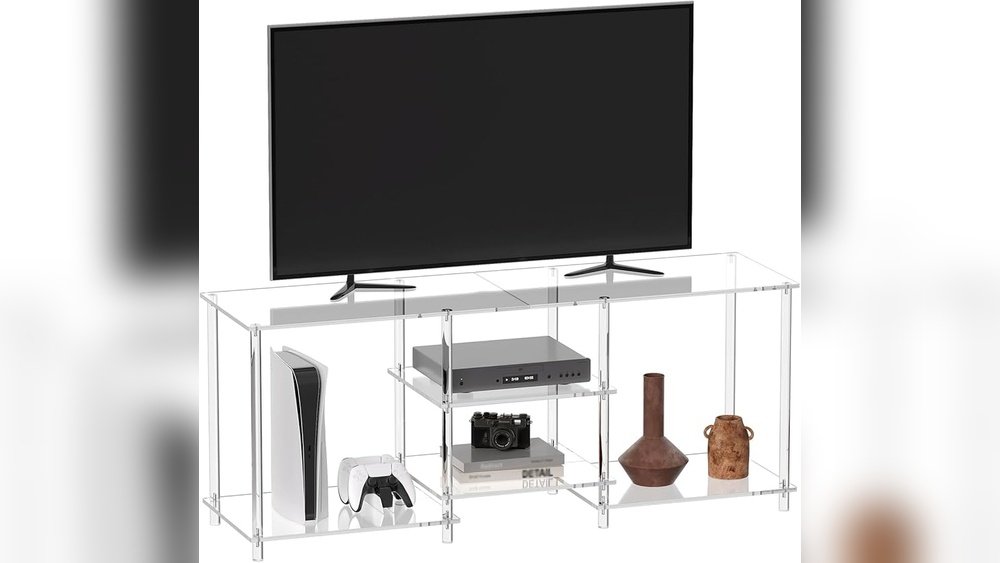
For a clean, airy look, glass TV stands are hard to beat. They blend well in small rooms because glass reflects light and makes spaces feel larger.
Types Of Glass Used
- Tempered glass: This is the standard for TV stands. It’s treated to be much stronger than regular glass and shatters into small, safer pieces if broken.
- Frosted or tinted glass: Used for style, reducing fingerprints, or hiding cables.
Key Benefits
- Visually light and modern.
- Easy to wipe clean.
- Does not warp or rust.
Limitations
- Shows dust, fingerprints, and smudges easily.
- Needs frequent cleaning.
- Can be risky in homes with small children or pets due to breakage.
Practical Example
A glass shelf with steel legs is popular in minimalist apartments. However, always check the weight rating for glass shelves — too much weight can cause cracks.
Safety Insight
Some glass stands use thick panels, but others cut costs with thinner glass. Always check for a tempered glass label and ask about the maximum safe load.
Mdf And Particle Board: Budget-friendly Options
Many TV stands are made from MDF (Medium Density Fiberboard) or particle board. These engineered woods are affordable and come in many colors and textures.
Differences
- MDF is denser and smoother than particle board. It holds screws better and is often used for painted finishes.
- Particle board is cheaper but weaker and can break under heavy load.
When To Choose Engineered Wood
- For lightweight TVs and small rooms.
- If you want a trendy color or pattern not found in real wood.
- When you need a budget solution for a short-term setup.
Common Mistakes
People often overestimate the strength of MDF and particle board. Heavy TVs or leaning on the stand can cause sagging. Always check the weight limit.
Finishes
Engineered wood is usually covered with laminate or veneer for appearance. Laminate is plastic-based, resists scratches, but can look less natural.
Plastic: Lightweight And Low Maintenance
Plastic TV stands are not as common, but they have their place. They are light, inexpensive, and easy to move.
Features
- Resistant to moisture and stains.
- Wide variety of colors.
- Great for kids’ rooms or temporary setups.
Downsides
- Not as strong or stable as wood or metal.
- May look cheap in upscale settings.
- Can fade or crack over time.
Useful Insight
Plastic stands are often used for small TVs, usually under 40 inches. If you’re planning to upgrade your TV soon, consider if the stand will still fit.
Mixed Materials: Combining The Best
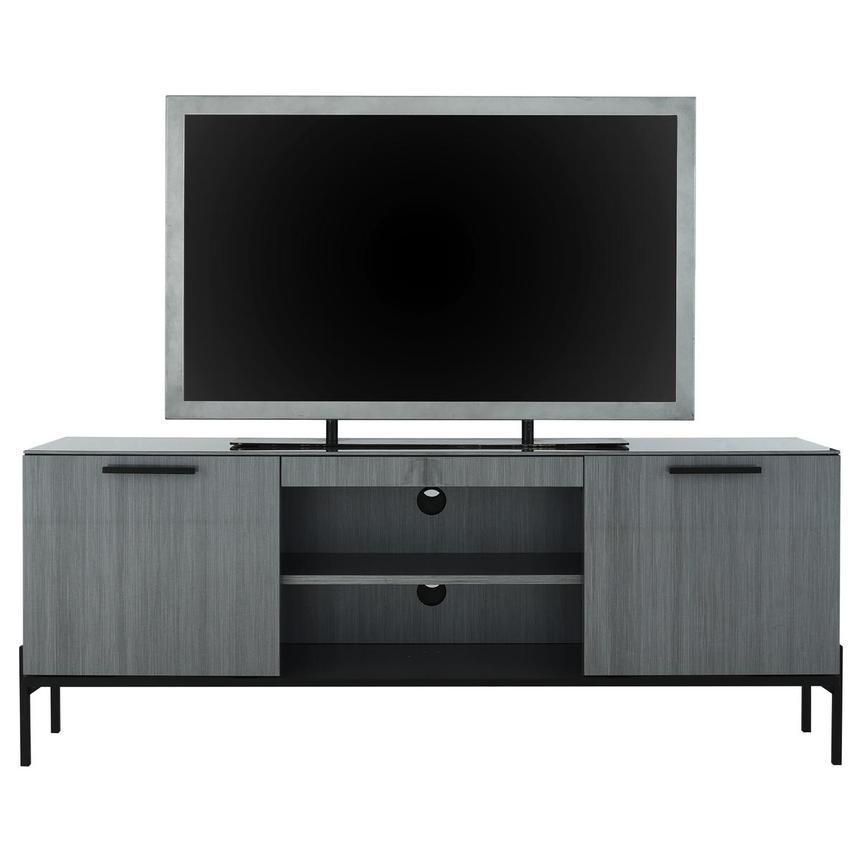
Many modern TV stands use a combination of materials to get the best of each world. For example, a stand might have a metal frame, wood shelves, and glass doors.
Popular Combinations
- Metal frame + glass shelves (modern, minimalist)
- Wood frame + metal accents (industrial, rustic)
- MDF body + glass doors (affordable with a premium look)
Why Mix Materials?
- To balance strength, cost, and style.
- To add contrast and texture to your room.
What To Watch For
Mixed stands can hide weak spots. For example, a strong metal frame might support thin, weak glass shelves. Always check each part’s weight rating.
Stone And Marble: Luxury And Longevity
Some high-end TV stands use natural stone or marble for surfaces or accents. They are rare but make a strong style statement.
Pros
- Extremely durable and scratch-resistant.
- Adds a sense of luxury and uniqueness.
- Cool to the touch, which can be nice for electronics.
Cons
- Very heavy, difficult to move.
- Expensive compared to other materials.
- Can crack if not properly supported.
Practical Example
Marble-topped TV stands are common in luxury homes or designer apartments. They often combine marble with metal legs for support.
Bamboo: Eco-friendly Alternative
For those who care about sustainability, bamboo TV stands are gaining attention. Bamboo grows quickly and is considered an eco-friendly material.
Benefits
- Strong and flexible.
- Naturally resists moisture and insects.
- Light color fits well in Scandinavian or modern themes.
Drawbacks
- Fewer styles available compared to wood or metal.
- Can be more expensive due to processing.
Non-obvious Insight
Many products sold as bamboo are actually a mix of bamboo and MDF. If eco-friendliness is important to you, check if the stand is 100% bamboo.

Rattan And Wicker: Unique Texture And Warmth
Rattan and wicker stands bring a natural, relaxed vibe to interiors. They are made from woven plant fibers.
Features
- Lightweight and easy to move.
- Adds texture and warmth to a room.
- Often used in bohemian or coastal styles.
Downsides
- Not as strong as wood or metal.
- Can sag under heavy load.
- Needs regular dusting and care.
Buying Tip
If you like the look but need more strength, look for rattan combined with a metal or wood frame.
Concrete: Urban And Industrial Edge
Concrete is not common for TV stands, but it’s used in some urban or industrial designs. It offers a raw, modern look.
Pros
- Extremely strong and durable.
- Fireproof and water-resistant.
- Unique appearance.
Cons
- Very heavy, not easy to move.
- Can scratch floors if not padded.
- May look too cold for some homes.
Key Detail
Some “concrete” TV stands are actually made from lighter materials with a concrete-look finish. Real concrete is much heavier and may need special delivery.
How Materials Affect Tv Stand Performance
The choice of material doesn’t just change how your TV stand looks. It affects strength, weight, cost, and how long it lasts. Here’s a quick comparison to help you see how major materials stack up:
| Material | Strength | Weight | Maintenance | Cost |
|---|---|---|---|---|
| Solid Wood | High | Heavy | Medium | High |
| MDF/Particle Board | Medium | Medium | Low | Low |
| Metal | High | Varies | Low | Medium |
| Glass | Medium | Medium | High | Medium |
| Plastic | Low | Light | Low | Low |
| Bamboo | Medium | Light | Low | Medium |
| Marble/Stone | Very High | Very Heavy | Medium | Very High |
| Rattan/Wicker | Low | Light | High | Medium |
| Concrete | Very High | Very Heavy | Low | High |
How To Choose The Right Tv Stand Material
Finding the right material depends on your needs, taste, and lifestyle. Here are practical steps and key questions to guide your choice:
- Room Size and TV Weight: If your TV is very large or heavy, go for solid wood or metal. For small TVs, MDF or glass may work.
- Style Preferences: Wood fits traditional rooms, while glass and metal suit modern styles. Bamboo and rattan add a relaxed or eco-friendly touch.
- Budget: Engineered wood and plastic are affordable. Stone and marble are for luxury budgets.
- Durability: Choose metal, solid wood, or stone for long-term use. Plastic and rattan are better for light, temporary setups.
- Maintenance: Glass needs frequent cleaning. Wood may need polishing. Metal is usually low-maintenance.
- Safety: Glass is less safe in homes with kids or pets. Rounded corners on wood or plastic help avoid injuries.
Example Decision Guide
| Situation | Best Material | Why |
|---|---|---|
| Small apartment, light TV | Glass or MDF | Light, stylish, affordable |
| Family with kids | Solid wood or metal | Durable, less likely to tip |
| Luxury home | Marble/Stone | Unique, high-end look |
| Eco-friendly lifestyle | Bamboo | Renewable, stylish |
| Frequent movers | Plastic or rattan | Light, easy to transport |
Common Mistakes When Choosing Tv Stand Materials
Many people focus only on looks or price. Here are mistakes to avoid:
- Ignoring the weight capacity: A beautiful stand is useless if it can’t hold your TV.
- Forgetting about maintenance: Glass and lacquered wood need more cleaning.
- Overlooking safety: Sharp corners or unstable stands can be dangerous.
- Not checking material quality: Some “wood” stands are mostly particle board. Always ask for details.
Caring For Different Tv Stand Materials
Each material has its own care needs:
- Wood: Dust regularly, avoid water spills, polish with wood cleaner.
- Metal: Wipe with a damp cloth, avoid harsh chemicals.
- Glass: Use glass cleaner, handle with care.
- MDF/Particle Board: Avoid heavy loads and moisture.
- Plastic: Clean with mild soap, avoid hot items on the surface.
- Bamboo: Wipe with a damp cloth, avoid prolonged sunlight.
- Stone/Marble: Use stone cleaner, avoid acidic liquids.
- Rattan/Wicker: Dust with a soft brush, keep away from water.
Environmental Impact Of Tv Stand Materials
Some materials are more eco-friendly than others:
- Bamboo and recycled wood are sustainable options.
- Engineered woods use leftover wood fibers, but may contain glues with chemicals.
- Plastic is not biodegradable, but some stands use recycled plastic.
- Stone mining impacts the environment, but lasts very long.
If sustainability matters, ask the seller about certifications or recycled content.
For more on eco-friendly furniture, visit Wikipedia’s Sustainable Furniture page.
Latest Trends In Tv Stand Materials
- Mixed materials: Combining wood, metal, and glass for unique looks.
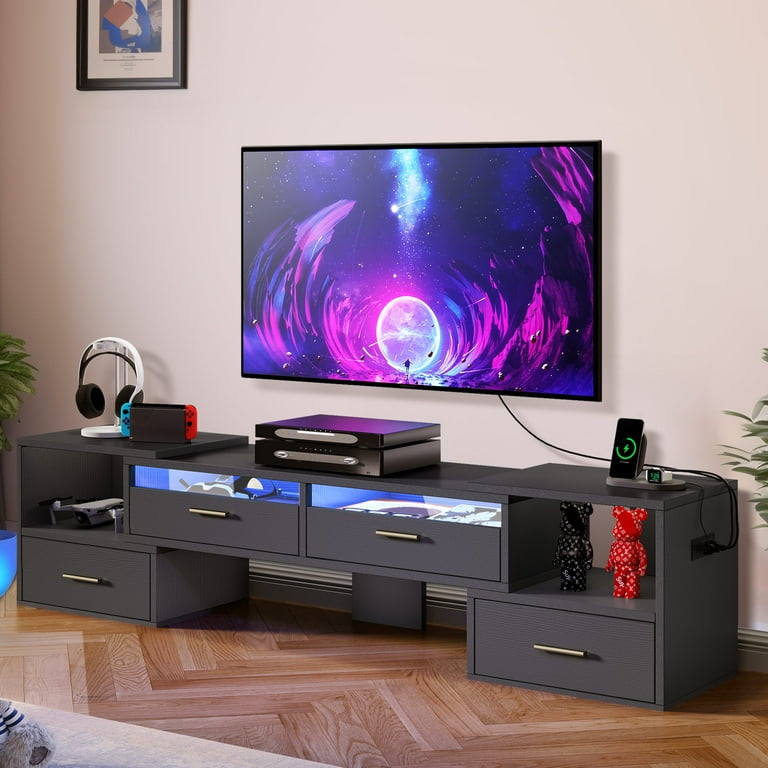
- Smart TV stands: With built-in charging, LED lights, or hidden storage.
- Eco-materials: More brands are using bamboo or reclaimed wood.
- Minimalist designs: Slim metal frames and clear glass shelves.
Frequently Asked Questions
What Is The Most Durable Material For A Tv Stand?
Solid wood, metal, and stone are the most durable. They can last for decades if cared for properly. Metal is often best for heavy TVs, while stone offers luxury and strength.
Are Glass Tv Stands Safe For Families With Children?
Glass TV stands use tempered glass for safety, but they can still break if hit hard. They may not be the best choice for homes with young children or pets who might bump into them.
Which Tv Stand Material Is Easiest To Clean?
Metal and plastic are the easiest to clean. They resist stains and don’t show fingerprints as much as glass. Wood needs more care to avoid water marks.
How Do I Know If A Tv Stand Is Made From Real Wood?
Check for grain patterns, weight, and ask for material details. Real wood is heavier and shows unique grain. Engineered wood is lighter and has a smoother, more uniform look.
What Material Is Best For A Humid Or Damp Environment?
Metal, plastic, and bamboo handle humidity well. Avoid solid wood and MDF in damp areas, as they can warp or swell.
A TV stand is more than just a place for your screen. The material you choose affects your room’s style, your stand’s strength, and even your daily cleaning routine. By understanding the real differences between wood, metal, glass, and other materials, you can pick a TV stand that fits your life—not just your living room.