If you’ve ever wondered why some kitchen pantry storage cabinets last for decades while others chip, warp, or look dated after just a few years, you’re not alone. The secret often lies in the materials. The material you choose for your pantry cabinet is more than just a style choice—it impacts how your cabinet holds up to daily use, moisture, heat, and even pests.
With so many options available today, understanding what your pantry is really made of can help you make smarter choices for your home, your budget, and your lifestyle.
Let’s dig into the most common materials used for kitchen pantry storage cabinets. You’ll discover the strengths and weaknesses of each, what they cost, how they look, and even some little-known facts that can help you avoid costly mistakes. By the end, you’ll be ready to choose a pantry cabinet material that not only fits your kitchen but also stands the test of time.
Solid Wood
When people picture classic kitchen cabinets, solid wood often comes to mind. It’s been the go-to choice for centuries, and for good reason. Solid wood cabinets are made from planks of natural wood, such as oak, maple, cherry, or pine.
Solid wood brings warmth, rich texture, and unique grain patterns to your kitchen. Every piece is different, so you’ll never find two cabinets that look exactly alike. Solid wood also offers excellent durability. If you take care of it, a solid wood pantry cabinet can last 30 years or more.
But solid wood does have some downsides. It can expand or contract with changes in humidity, which may cause warping or cracks over time. It’s also one of the most expensive options, both in terms of material and installation. Plus, it’s heavy, so it needs strong hinges and a sturdy floor.
For those who want a truly timeless, natural look and don’t mind the extra cost or maintenance, solid wood is hard to beat.
Common Solid Woods Used
- Oak: Very strong, visible grain, resists dents.
- Maple: Smooth grain, light color, easy to paint.
- Cherry: Rich, dark tones, smooth texture, ages well.
- Pine: Softer, more affordable, visible knots.
Plywood
Plywood is one of the most popular choices for modern pantry cabinets. It’s made by gluing together thin layers of wood veneer, with the grain of each layer running in a different direction. This gives plywood impressive strength and stability.
Compared to solid wood, plywood is less likely to warp or crack due to humidity changes. It’s lighter, making it easier to install, and it usually costs less. Plywood also holds screws and hardware well, which is important for a pantry door that gets opened often.
However, not all plywood is the same. Low-quality plywood with thin veneers or many voids (gaps inside the panel) can be weak and may delaminate over time. High-quality plywood, often called “cabinet grade,” has more layers, fewer voids, and uses strong adhesives.
Plywood can be finished with a wood veneer to mimic the look of solid wood, or painted for a modern style. It’s a practical choice for most kitchens.
Plywood Grades
- A-grade: Smooth, free of knots, best for visible areas.
- B-grade: Minor flaws, often used for interiors.
- C or D-grade: Visible defects, best for hidden parts.
Medium Density Fiberboard (mdf)
MDF is a type of engineered wood made by breaking down hardwood or softwood into fibers, mixing them with resin, and pressing them under high pressure. The result is a dense, smooth board that’s ideal for painting.
MDF is popular for kitchen pantry cabinets because it’s very stable—it doesn’t warp or swell as easily as solid wood or even plywood. It’s also smooth, so you get a flawless finish when painted. Because MDF has no grain, it’s perfect for modern, sleek styles.
The main downside is that MDF can be heavy and is not as strong as plywood. It doesn’t hold screws as well, and if it gets wet, it can swell and lose strength. That’s why it’s best used in areas that won’t get a lot of water exposure.
Another thing to know: cutting or sanding MDF releases fine dust, which can be irritating. Always wear a mask if you’re working with it.
Particleboard
Particleboard is another engineered wood product, made from wood chips, sawmill shavings, or even sawdust, all bound together with a resin. It’s then pressed into sheets.
The biggest advantage of particleboard is cost—it’s usually the cheapest cabinet material you’ll find. It’s also very smooth, so it works well under laminate or veneer finishes.
However, particleboard is less durable than plywood or MDF. It can sag under heavy weight, and if it gets wet, it may swell, crumble, or even fall apart. Particleboard also doesn’t hold screws well, which can be a problem for pantry doors and shelves.
Despite these drawbacks, particleboard is often used for budget kitchen cabinets. If you’re looking for a temporary solution or want to keep costs low, it’s an option, but be aware of its weaknesses.
High-density Fiberboard (hdf)
HDF is similar to MDF but is denser and stronger. It’s made using finer wood fibers and more pressure, resulting in a harder, smoother board. HDF is more resistant to dents and scratches than MDF.
You’ll often find HDF used in cabinet doors, drawer fronts, and panels that need a smooth, paintable surface. It’s also used for the backs of cabinets or thin panels. HDF holds up better to daily wear than MDF, but like other fiberboards, it can swell if exposed to water.
HDF is a good choice if you want the look of painted cabinets with extra durability.
Laminate
Laminate pantry cabinets use a thin layer of plastic material (the laminate) bonded to a core material, which is usually particleboard, MDF, or sometimes plywood. The laminate gives the cabinet its color and pattern, which can look like anything from wood grain to bright colors or even stone.
Laminate cabinets are popular because they are easy to clean, resistant to stains and scratches, and come in endless colors and patterns. They are also usually less expensive than solid wood or even plywood cabinets.
However, the durability depends on the quality of the laminate and the core material. High-pressure laminates (HPL) are much tougher than low-pressure laminates (LPL). Laminate edges can chip, and if water gets behind the laminate, it can peel away from the core.
Laminate is a smart choice for busy families, rental properties, or anyone who wants a low-maintenance, modern look.

Thermofoil
Thermofoil cabinets are made by wrapping a thin layer of vinyl (plastic) over an MDF or HDF core using heat and pressure. This creates a seamless, smooth surface that looks similar to painted wood.
Thermofoil pantry cabinets are very popular in modern kitchens. They’re easy to wipe clean, resist most stains, and are available in a wide range of colors and patterns.
The main risk with thermofoil is heat damage. If installed too close to an oven or toaster, the vinyl may peel or bubble. Once damaged, it’s difficult to repair. Thermofoil cabinets are also not as resistant to moisture as pure laminate, though they do better than raw MDF.
One little-known advantage: thermofoil gives you the look of expensive painted cabinets at a much lower price.
Metal
Metal pantry cabinets, especially stainless steel, are common in commercial kitchens but are becoming more popular in home kitchens with an industrial or modern look.
Stainless steel cabinets are extremely durable, easy to clean, and resist moisture, heat, and pests. They don’t warp, crack, or absorb odors. Stainless steel also reflects light, which can make a kitchen feel larger.
However, metal cabinets can show fingerprints and scratches. They tend to be noisy and can feel colder than wood. Stainless steel is also more expensive than most other materials.
Some homeowners choose metal cabinets for their strength and hygiene, especially in high-use or open-plan kitchens.
Glass
Glass is not usually used for the structure of the pantry cabinet but is often used for doors, inserts, or shelves. Glass-fronted cabinets let you see what’s inside, which can make your kitchen feel open and bright.
The most common types are clear, frosted, or textured glass. Glass is easy to clean and doesn’t react to heat or moisture. However, it can break or chip if not handled carefully.
Glass works best when combined with a strong frame, such as wood or metal. It’s ideal for display cabinets or to add visual interest to your pantry.
Melamine
Melamine is a type of plastic coating applied to particleboard or MDF. Melamine pantry cabinets are similar to laminate but use a different manufacturing process. The result is a hard, smooth, and colorful surface.
Melamine cabinets are affordable, stain-resistant, and easy to clean. They’re available in many colors and can mimic wood grain. However, melamine can chip on the edges, and if the underlying core gets wet, it can swell or lose strength.
A little-known tip: melamine cabinets are often used for closet organizers and laundry rooms, not just kitchens, due to their moisture resistance.
Bamboo
Bamboo is gaining popularity as a green alternative to traditional wood. Technically, bamboo is a grass, not a tree, but when pressed and laminated, it forms hard, durable panels.
Bamboo pantry cabinets are eco-friendly, renewable, and have a unique linear grain pattern. They’re strong, resist moisture better than many woods, and are naturally resistant to pests.
Bamboo can cost as much as premium hardwoods, but many people choose it for its sustainability and modern look.
Acrylic
Acrylic cabinets are made by attaching a high-gloss acrylic sheet to a core material (usually MDF). The result is a shiny, glass-like finish that looks ultra-modern.
Acrylic pantry cabinets are scratch-resistant, easy to clean, and won’t fade over time. However, they can show fingerprints and smudges. Acrylic is usually more expensive than laminate or melamine but gives you a brighter, more reflective look.
Acrylic is ideal if you want a contemporary kitchen with a mirror-like finish.
Comparison: Popular Pantry Cabinet Materials
Here’s a quick look at how the most common materials compare for durability, cost, and appearance:
| Material | Durability | Cost | Appearance |
|---|---|---|---|
| Solid Wood | Excellent | High | Natural grain, warm |
| Plywood | Very good | Medium to high | Similar to wood, versatile |
| MDF | Good | Medium | Smooth, best painted |
| Particleboard | Fair | Low | Best under laminate |
| Laminate | Good | Medium | Wide range, modern |
| Stainless Steel | Excellent | High | Industrial, modern |
Specialty And Less Common Materials
Sometimes, you’ll find pantry cabinets made from unique or less traditional materials. Here are a few you might encounter:
Reclaimed Wood
Reclaimed wood comes from old barns, factories, or even wine barrels. It’s valued for its character, history, and eco-friendliness. Each piece of reclaimed wood is unique, often with marks and wear that tell a story. It’s usually more expensive, but for those who want a rustic or vintage look, it’s unbeatable.
Veneer
A veneer is a thin slice of real wood glued to a less expensive core, like MDF or particleboard. Veneer cabinets give you the look of solid wood at a lower price and with better stability. However, the thin veneer can be damaged by dents or scratches.
Pvc
PVC (polyvinyl chloride) cabinets are made from plastic. They’re waterproof, termite-proof, and easy to clean. While not as common in high-end kitchens, PVC is popular in humid climates or for rental properties due to its low maintenance.
Aluminum
Aluminum cabinets are lightweight, rust-resistant, and modern. They’re less common than stainless steel but are sometimes used for cabinet frames or sliding pantry doors.
What Affects Your Cabinet Material Choice?
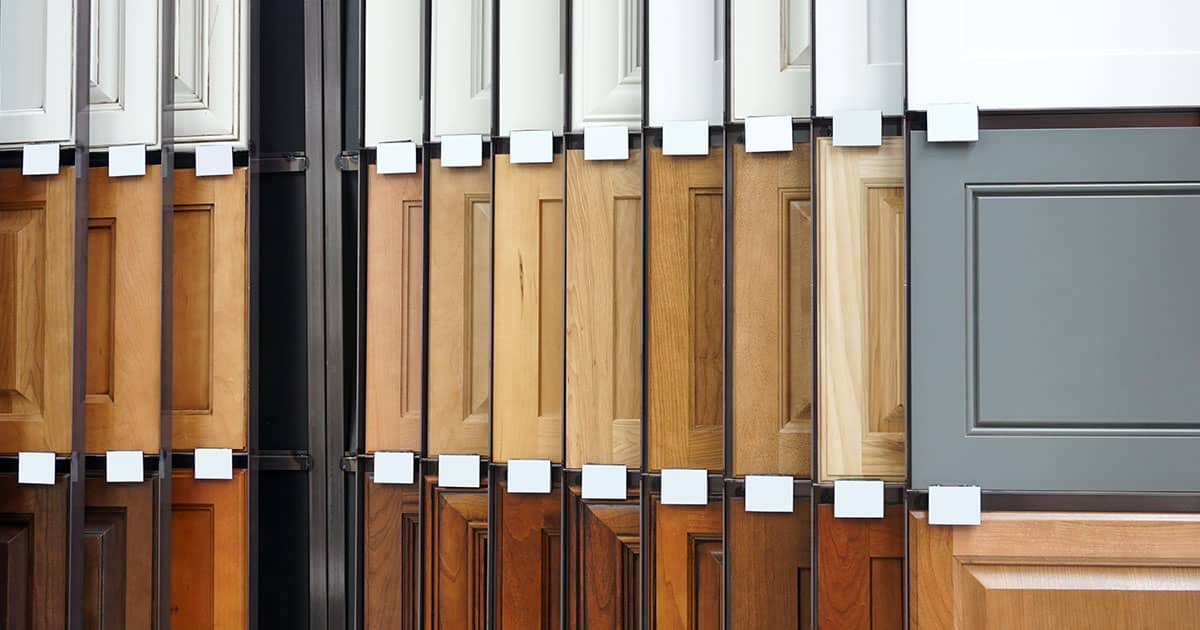
Choosing a pantry cabinet material isn’t just about looks. Here are some factors that matter:
- Budget: Solid wood is at the top end, while particleboard and melamine are usually cheapest.
- Moisture resistance: Kitchens are humid. Materials like stainless steel, bamboo, and laminate resist moisture better than solid wood or raw MDF.
- Durability: How much use will your pantry get? Heavy-use kitchens need stronger materials like plywood or HDF.
- Style: Want a classic look? Try wood or veneer. Prefer modern? Acrylic or laminate.
- Maintenance: Some materials need regular cleaning or special care. Others, like metal or laminate, are almost maintenance-free.
- Sustainability: Bamboo and reclaimed wood are eco-friendly. Solid wood can be sustainable if sourced responsibly.
- Location: Cabinets near the stove or sink face more moisture and heat, so choose materials that won’t warp or peel.
Real-world Examples
- A busy family kitchen: Plywood or high-pressure laminate cabinets for durability and easy cleaning.
- Rental property: Melamine or particleboard with laminate for low cost and simple upkeep.
- Luxury home: Solid wood or bamboo for a high-end, long-lasting look.
- Small apartment: Acrylic or glass-fronted cabinets to make the kitchen feel larger and brighter.
Data: Material Lifespan In Kitchens
A study of cabinet materials found the following average lifespans:
| Material | Average Lifespan (years) |
|---|---|
| Solid Wood | 25-40 |
| Plywood | 15-30 |
| MDF | 10-15 |
| Particleboard | 5-10 |
| Laminate | 10-20 |
| Stainless Steel | 30-50 |
Notice that particleboard has a much shorter lifespan than plywood or solid wood. This is a key reason why professionals rarely recommend particleboard for high-traffic kitchens.
Two Insights Beginners Often Miss
- Core Material Matters: Many cabinets look similar on the surface, but what’s underneath can be very different. A beautiful laminate or veneer finish can hide a weak particleboard core, which may sag or break under weight. Always ask what the core is made of, not just the finish.
- Installation and Hardware: Even the strongest material won’t last if installed poorly. Heavy doors need solid hinges and good screws, especially for solid wood, plywood, or heavy MDF. Lightweight hardware can cause sagging or misalignment over time.
Common Mistakes To Avoid
- Choosing the cheapest material without thinking about lifespan or daily use.
- Ignoring moisture risks near sinks, dishwashers, or stoves.
- Overlooking the importance of edge banding and sealing, especially for MDF, particleboard, or melamine cabinets.
- Not checking for low-quality plywood or thin veneers, which can lead to early failure.
Caring For Different Cabinet Materials
- Wood: Wipe spills quickly, use gentle cleaners, polish every few months.
- Laminate/Melamine: Use a damp cloth, avoid harsh chemicals, repair chips promptly.
- Metal: Clean with mild soap and water; avoid abrasive pads that scratch.
- Glass: Use glass cleaner; don’t slam doors to prevent breakage.
- Acrylic: Wipe with a soft, damp cloth; avoid sharp objects.

Making The Right Choice
Think about how you use your kitchen every day. Do you need something tough for a big family, or are you looking for a showpiece? Consider both your budget and your long-term plans. Sometimes, spending a little more now saves money on repairs or replacements later.
If you’re interested in the science behind engineered wood products, you can read more at Wikipedia: Engineered Wood.
Frequently Asked Questions
What Is The Most Durable Material For Kitchen Pantry Cabinets?
The most durable materials are solid wood, plywood, and stainless steel. Stainless steel resists moisture and heat best, while solid wood and plywood offer strength and a classic look. Choose based on your kitchen’s style and how much wear your cabinets will get.
Are Mdf Cabinets Better Than Plywood?
Plywood is generally stronger and holds screws better than MDF. However, MDF provides a smoother surface for painting and is more stable in dry conditions. For heavy-use areas, plywood is a better choice. For painted finishes or decorative doors, MDF works well.
Can I Use Particleboard For Kitchen Pantry Cabinets?
You can, but particleboard is the least durable cabinet material. It’s best for low-cost, low-traffic kitchens or temporary solutions. If exposed to water, particleboard can swell or break down quickly, so it’s not recommended for wet areas.
What’s The Best Material For A Modern Kitchen Look?
For a modern kitchen, laminate, acrylic, and glass are top choices. Laminate and acrylic offer many colors and finishes, including high-gloss, matte, or patterns. Glass inserts can make the space feel larger and more open.
How Do I Choose The Right Pantry Cabinet Material For My Home?
Consider your budget, kitchen style, how much use your pantry gets, and the humidity level in your kitchen. If you want durability, choose plywood or solid wood. If you need a low-maintenance option, look at laminate or thermofoil. For eco-friendly kitchens, bamboo or reclaimed wood are great picks.
When you know what your kitchen pantry cabinets are made of, you can shop, clean, and use them with more confidence. The right material can make your kitchen a joy to use for years to come.