Coffee tables are more than just a place to set your cup. They are at the heart of many living rooms, tying together comfort, style, and function. But have you ever wondered what materials coffee tables are made of? The answer is not as simple as “wood” or “glass.
” In fact, coffee tables come in a wide variety of materials, each with its own look, feel, and advantages. Some materials are classic and timeless, while others are modern and bold. The choice of material affects not only the appearance of your table but also its durability, weight, maintenance, and price.
Understanding the materials behind coffee tables can help you choose the right one for your space and lifestyle. Whether you want a table that’s easy to clean, can handle heavy use, or matches a certain décor, knowing your options is key.
This article will guide you through the most common and some lesser-known coffee table materials, explain their pros and cons, and offer practical advice for buyers. By the end, you’ll know exactly what to look for and what to avoid when selecting a coffee table for your home.
Wood: The Classic Choice
Wood is one of the oldest and most popular materials for coffee tables. Its natural beauty, warmth, and variety make it a favorite for many people. There are several types of wood used in coffee tables, each with unique qualities.
Solid Wood
Solid wood tables are made from planks of real wood, not mixed or glued layers. Common choices include oak, walnut, maple, cherry, and pine. Each type has its own grain pattern and color. For example, oak is strong and has a prominent grain, while maple is lighter and smoother.
Solid wood tables are known for their durability. They can last decades with proper care. They are also easy to repair—scratches and dents can often be sanded out. However, solid wood tables can be heavy and may be more expensive than other options.
Engineered Wood
Not all wood tables are solid. Engineered wood includes materials like plywood, MDF (medium-density fiberboard), and particleboard. These are made by binding wood fibers or chips with glue and pressing them into sheets.
Engineered wood is usually cheaper than solid wood. It’s also lighter and less likely to warp or crack from humidity. However, it’s not as strong, and if the surface is damaged, repairs are difficult. Many engineered wood tables have a thin veneer of real wood for a nicer look, but the core is not solid.
Reclaimed Wood
Reclaimed wood is salvaged from old buildings, barns, or furniture. It’s popular for eco-friendly homes and rustic designs. Each piece of reclaimed wood has its own story, with marks and imperfections that add character.
Reclaimed wood tables are sustainable and unique. However, they may have uneven surfaces or hidden weaknesses. Always check the finish—some reclaimed wood tables may require more maintenance to keep them looking good.
Wood Comparison Table
Here’s a quick comparison of the most common wood materials used in coffee tables:
| Type | Durability | Price | Weight | Maintenance |
|---|---|---|---|---|
| Solid Wood | High | $$$ | Heavy | Medium |
| Engineered Wood | Medium | $ | Light | Low |
| Reclaimed Wood | Varies | $$ | Varies | High |
Glass: Sleek And Modern
Glass coffee tables are known for their modern, airy look. They can make a small room feel larger because they don’t block light or sight lines. Glass tables come in a few main types:
Tempered Glass
Most coffee tables use tempered glass, which is heat-treated to be much stronger than regular glass. If it does break, it shatters into small, blunt pieces rather than sharp shards.
Tempered glass is safe and durable for everyday use. It resists scratches better than some plastics but can still get scratched by hard or gritty objects. It’s also easy to clean—just wipe with a glass cleaner.
Colored And Frosted Glass
Some glass tables use colored or frosted glass for a different effect. Frosted glass hides fingerprints and smudges better than clear glass, but it can still chip or crack if hit hard.
Glass Table Pros And Cons
Advantages:
- Makes rooms look bigger
- Matches many decorating styles
- Easy to clean
Disadvantages:
- Shows fingerprints and dust
- Can chip or break if hit hard
- Heavy, especially larger pieces
Not-so-obvious Insight
Some people don’t realize that glass coffee tables can be combined with other materials. For example, a glass top with metal or wood legs is very common. This blend can give you the best of both worlds—strength and style.
Metal: Strong And Versatile
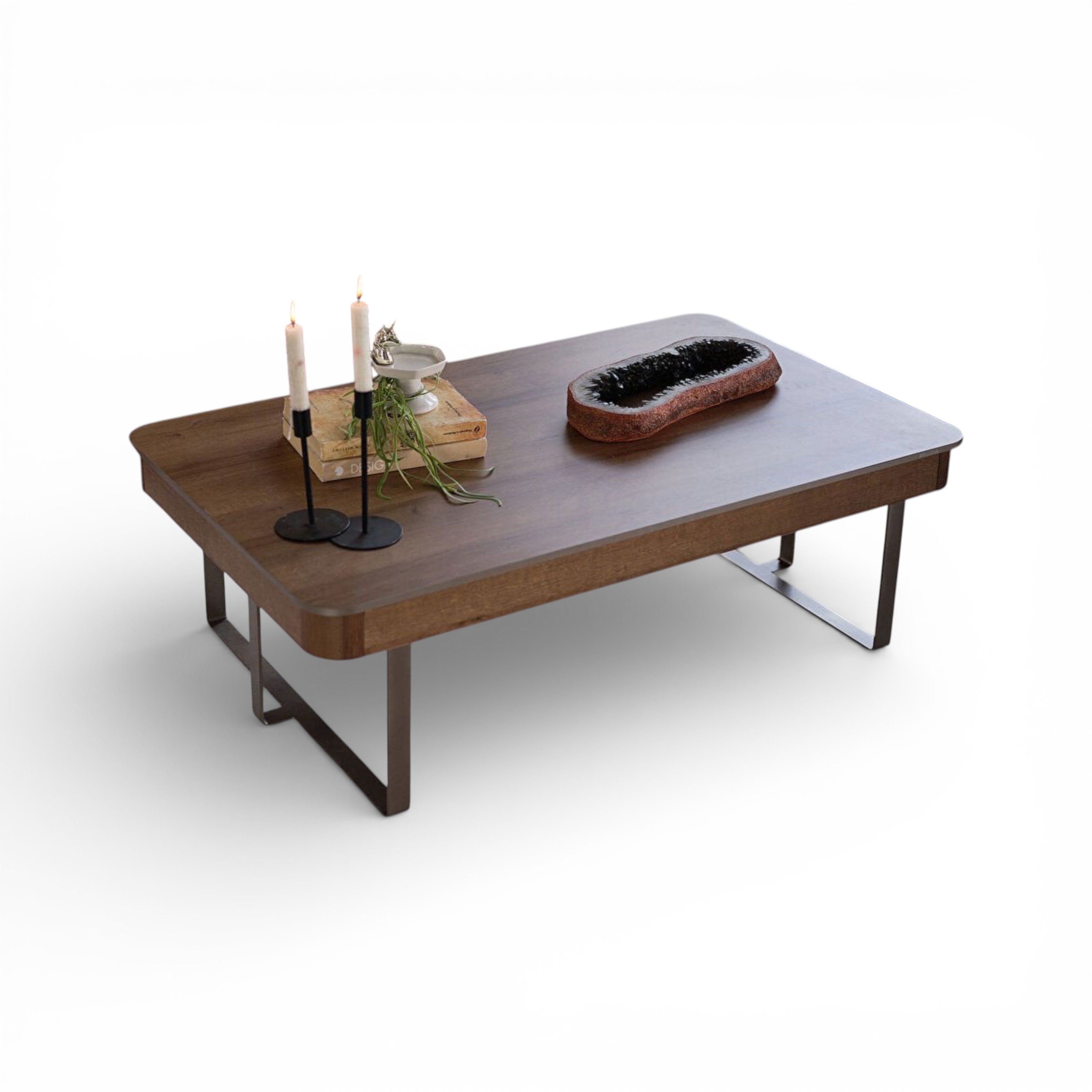
Metal is a flexible material for coffee tables, often used for frames, legs, or even the entire table. Metal tables can look industrial, modern, or even traditional, depending on the finish and design.
Common Metals Used
- Steel: Very strong and can be finished in matte, shiny, or colored coatings.
- Iron: Heavier, often seen in ornate or rustic designs. Iron can rust if not coated.
- Aluminum: Light and rust-resistant, good for indoor and outdoor use.
- Brass and Copper: Used for accent details. They offer a warm, luxurious look but can tarnish over time.
Metal Table Features
Metal tables are durable and often cheaper than solid wood. They can have thin, elegant frames or be thick and industrial. Metal is also easy to clean—just wipe with a damp cloth.
However, metal can get scratched and may dent if hit hard. Some finishes (like painted metal) can chip. Metal tables may feel cold to the touch and can be noisy if bumped.
Practical Tip
If you live in a humid area, look for powder-coated metal, which resists rust and corrosion much better than regular paint.
Stone: Luxury And Strength
Stone coffee tables are less common but make a big impact. They are often chosen for their luxurious feel and natural beauty. The most popular stones include:
Marble
Marble tables are elegant and timeless. Each piece has a unique pattern of veins. Marble is heavy and stays cool to the touch. However, it is porous—it can stain easily from coffee, wine, or oil. Acidic liquids can dull the surface.
Granite
Granite is even harder and more stain-resistant than marble. It is often darker and can handle heavy use. Like marble, granite tables are very heavy and must be handled carefully.
Travertine And Other Stones
Travertine is a lighter-colored stone with a softer look. It is more porous than granite, so it needs to be sealed to avoid stains. Other stones, like slate and quartz, are used less often but offer unique textures.
Stone Table Comparison
| Stone Type | Appearance | Durability | Weight | Maintenance |
|---|---|---|---|---|
| Marble | Elegant, veined | Medium | Very heavy | High |
| Granite | Dark, speckled | High | Very heavy | Medium |
| Travertine | Light, textured | Low | Heavy | High |
Expert Insight
Many buyers don’t realize that stone tables need regular sealing to protect against stains. This is especially true for marble and travertine. If you want a stone table but not the maintenance, consider a quartz composite—it looks like stone but resists stains and scratches much better.
Plastic And Acrylic: Modern And Affordable
Plastic and acrylic coffee tables are known for being lightweight and often more affordable. They are popular in modern, playful, or minimalist spaces.
Plastic
Basic plastic tables are often used outdoors or in children’s rooms. They resist water, are easy to move, and come in many colors. However, they can look cheap and may not last long if used heavily.
Acrylic
Acrylic is sometimes called “plexiglass.” It’s much clearer and stronger than regular plastic. Acrylic tables can mimic the look of glass but are lighter and less likely to shatter. They are perfect for small spaces since they seem to “disappear.”
Pros And Cons
Pros:
- Lightweight and easy to move
- Won’t shatter like glass
- Many shapes and colors
Cons:
- Scratches more easily than glass or wood
- Can look less expensive
- May yellow over time with UV exposure
Practical Advice
If you want a modern look without the weight or risk of glass, acrylic is a smart choice. Just be careful when cleaning—avoid rough sponges or strong chemicals, which can scratch the surface.
Upholstered Coffee Tables And Ottomans
Not all coffee tables are hard surfaces. Some are padded and covered in fabric, leather, or faux leather. These are often called ottoman coffee tables.
Why Choose An Upholstered Table?
- Comfort: Great for resting feet or sitting.
- Safety: No sharp corners—good for homes with children.
- Storage: Many have hidden storage under the top.
Upholstered tables often use a wood or metal frame underneath for strength, with foam padding and fabric on top. They may have a tray for drinks to avoid spills.
Maintenance Tips
Fabric ottomans can stain easily. Look for removable covers or stain-resistant fabrics. Leather is easier to wipe clean but needs conditioning to prevent cracks.
Non-obvious Insight
Some ottoman coffee tables offer convertible tops that flip over to become a hard surface. This gives you the comfort of an ottoman and the function of a table.
Mixed Materials: The Best Of Both Worlds
Many coffee tables today use a combination of materials. For example, you might see:
- Glass tops with metal or wood legs
- Wood frames with stone inserts
- Metal bases with marble or glass tops
These mixed-material tables let you enjoy the strengths of each material. They also offer more design options, from rustic to ultra-modern.
Why Mixed Materials Are Popular
- Style: Combine textures and colors for visual interest.
- Strength: Use durable materials where they matter most.
- Cost: Mix expensive and affordable materials to fit your budget.
Mixed Material Table Example
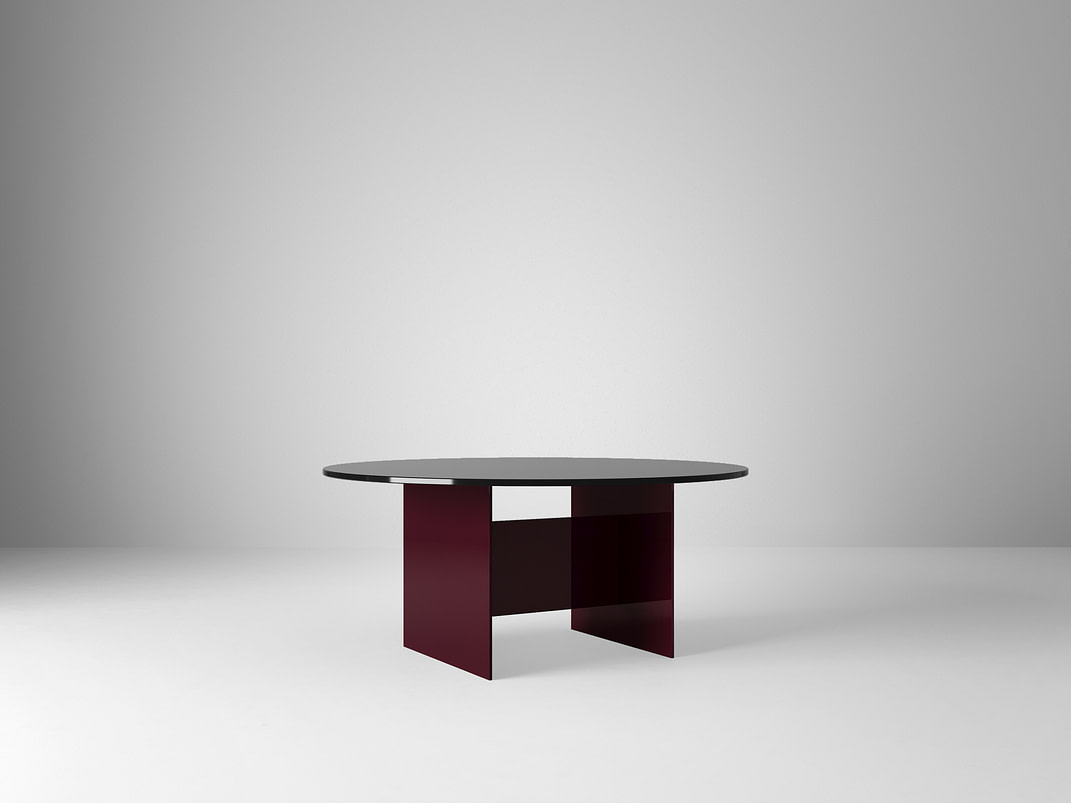
A popular modern design is a tempered glass top with a powder-coated steel frame. This gives you a sturdy, elegant table that is easy to care for.
Unusual And Eco-friendly Materials
Some coffee tables use creative or sustainable materials. These are less common but growing in popularity.
Bamboo
Bamboo is a fast-growing, renewable resource. It’s lightweight but strong and resists warping. Bamboo tables have a unique look, often with a light, natural color.
Rattan And Wicker
Rattan and wicker tables are made from woven plant fibers. They fit well in casual, beach, or bohemian rooms. However, they can be less sturdy and may not handle heavy weights.
Concrete
Concrete tables are heavy and durable. They offer an industrial, modern look and can be shaped into many forms. Concrete can stain but is very strong.
Recycled Materials
Some brands use recycled plastics, metals, or woods to create eco-friendly coffee tables. These can be just as durable as new materials and are better for the environment.
Data Table: Eco-friendly Materials
Here’s a quick look at the features of some eco-friendly coffee table materials.
| Material | Eco-Friendliness | Durability | Weight | Style |
|---|---|---|---|---|
| Bamboo | High | Medium | Light | Natural, modern |
| Rattan/Wicker | Medium | Low | Light | Casual, boho |
| Concrete | Medium | High | Heavy | Industrial |
| Recycled Materials | High | Varies | Varies | Varies |
What To Consider When Choosing Coffee Table Materials
Selecting the best material for your coffee table depends on several factors. Here’s what you should think about before buying:
- Lifestyle: Do you have kids, pets, or entertain often? Durable materials like wood, metal, or tempered glass may be best.
- Room Size: Glass and acrylic make small rooms feel bigger. Heavy stone or wood tables work well in larger spaces.
- Maintenance: Some materials need more care. Marble and fabric stain easily, while metal and glass are easier to clean.
- Budget: Engineered wood and plastic are usually most affordable. Solid wood and stone are more expensive.
- Style: Choose materials that match your décor—rustic, modern, industrial, or traditional.
- Weight: If you move furniture often, avoid very heavy tables like marble or concrete.
Common Mistakes To Avoid
- Ignoring Maintenance: Some buyers pick marble or fabric for the look, then struggle with stains or wear. Always check how much care a material needs.
- Overlooking Weight: Heavy tables are hard to move and can damage floors. If you rent or rearrange often, lighter materials are smarter.
- Mixing Styles Poorly: Not all mixed-material tables look good together. Make sure the colors and finishes work with your room.
Real-world Example
A family with young children might choose an upholstered ottoman table with a removable tray. It’s soft for playtime and safe from bumps, but still works for serving drinks.
Trends And Innovations In Coffee Table Materials
Coffee table materials are always changing with new trends and technology. Some recent developments include:
- Smart materials: Tables with built-in wireless charging or LED lights often use glass or engineered wood.
- Sustainable design: Many brands now offer tables made from FSC-certified wood or recycled materials.
- Custom finishes: Powder-coated metals in bright colors, or stone-look laminates, give more design options.
- Convertible tables: Some tables flip, fold, or expand using mixed materials for flexibility.
According to a 2023 survey by the American Home Furnishings Alliance, over 40% of buyers now consider eco-friendliness when choosing furniture materials—a trend that’s likely to keep growing.

Frequently Asked Questions
What Is The Most Durable Material For A Coffee Table?
The most durable materials are usually solid wood, tempered glass, and metal. Stone, like granite, is also very strong but can be heavy and needs maintenance. If you want a table that can handle heavy use and last for years, solid hardwood or steel are good choices.
Are Glass Coffee Tables Safe For Homes With Children?
Tempered glass coffee tables are much safer than regular glass. If they break, they crumble into small pieces instead of sharp shards. However, any glass table can be a risk for toddlers who might bump into corners. Consider tables with rounded edges or a safety bumper if you have young kids.
How Can I Maintain A Marble Coffee Table?
To keep your marble coffee table in good shape:
- Wipe spills right away
- Use coasters and placemats
- Seal the surface every 6–12 months
- Avoid acidic cleaners (like vinegar or lemon juice)
Marble is porous and can stain or etch from acids, so gentle care is important.
What Is The Difference Between Mdf And Solid Wood?
MDF (medium-density fiberboard) is an engineered wood made from wood fibers and glue. It’s smooth, light, and affordable, but not as strong as solid wood. Solid wood is cut from a single piece of timber and is more durable, can be sanded or refinished, and often lasts longer.
Are There Eco-friendly Options For Coffee Tables?
Yes! Look for tables made from bamboo, reclaimed wood, recycled materials, or those certified by groups like the Forest Stewardship Council (FSC). These choices reduce environmental impact and often have unique styles. For more on sustainable furniture, check Wikipedia: Sustainable Furniture.
—
Choosing the right material for your coffee table can transform your living space. From classic wood and sleek glass to bold stone and modern acrylic, each option brings something special. Think about your needs, your style, and how much care you’re willing to give.
With so many choices, you’re sure to find a coffee table material that fits your home perfectly.