When you step into a well-organized kitchen, you might not notice the importance of storage right away. But for anyone who cooks regularly, smart kitchen pantry storage makes daily life easier, less stressful, and even healthier. Whether you live in a small apartment or a spacious house, understanding kitchen pantry storage can completely change how you use your kitchen.
This article explores what kitchen pantry storage is, why it matters, the different types, tips to maximize your space, and common mistakes to avoid. By the end, you’ll know how to turn even the smallest nook into a storage powerhouse.
What Is Kitchen Pantry Storage?
Kitchen pantry storage refers to the systems, furniture, and strategies used to store food, ingredients, and kitchen essentials in your home. The pantry itself is a dedicated space—sometimes a closet, cabinet, or even a separate room—designed for keeping food organized, accessible, and safe. Pantry storage isn’t just about piling cans and boxes on shelves. It’s about creating an efficient environment where every item has a place, and you can quickly find what you need.
Some people think a pantry is only for large homes, but this is a common misconception. Even a single cabinet can be a pantry if used the right way. The goal of kitchen pantry storage is to keep your ingredients fresh, reduce food waste, and help you cook better meals with less stress.
Why Pantry Storage Matters In Every Kitchen
You may wonder why pantry storage deserves so much attention. The reason is simple: a good pantry can save you time, money, and stress.
- Reduces food waste: When you can see what you have, you’re less likely to buy duplicates or forget about ingredients until they expire.
- Saves money: Storing food correctly helps it last longer, and organized spaces make it easier to use up what you own before shopping for more.
- Improves meal planning: With everything visible and accessible, planning meals becomes faster and more creative.
- Reduces stress: Searching for ingredients in a cluttered kitchen is frustrating. A tidy pantry makes cooking enjoyable.
- Enhances health: When healthy foods are easy to reach, you’re more likely to make better eating choices.
According to the Food and Agriculture Organization, about one-third of all food produced globally is wasted. Much of this waste happens at home, often because people lose track of what they have. Smart pantry storage helps combat this problem.

Types Of Kitchen Pantry Storage
Not all kitchens are the same, so pantry storage comes in many forms. Understanding your options helps you choose what fits your space, lifestyle, and budget.
Walk-in Pantry
A walk-in pantry is a small room or large closet dedicated entirely to food storage. It often has shelves, drawers, and sometimes even counters. Walk-in pantries offer lots of space and flexibility, making them ideal for big families or passionate home cooks.
Reach-in Pantry
A reach-in pantry is usually a set of shelves or cabinets built into the kitchen wall. It’s smaller than a walk-in but can still hold a surprising amount if organized well. Reach-in pantries are common in apartments and smaller homes.
Butler’s Pantry
A butler’s pantry sits between the kitchen and dining area. Traditionally, it was used to store serving dishes, silverware, and extra food. Today, it often serves as a mini kitchen, with counters, cabinets, and sometimes small appliances.
Pull-out Pantry
A pull-out pantry is a tall, narrow cabinet with shelves that slide out. This design makes it easy to see and reach items at the back. Pull-out pantries are perfect for narrow spaces or for adding storage in an existing kitchen.
Freestanding Pantry
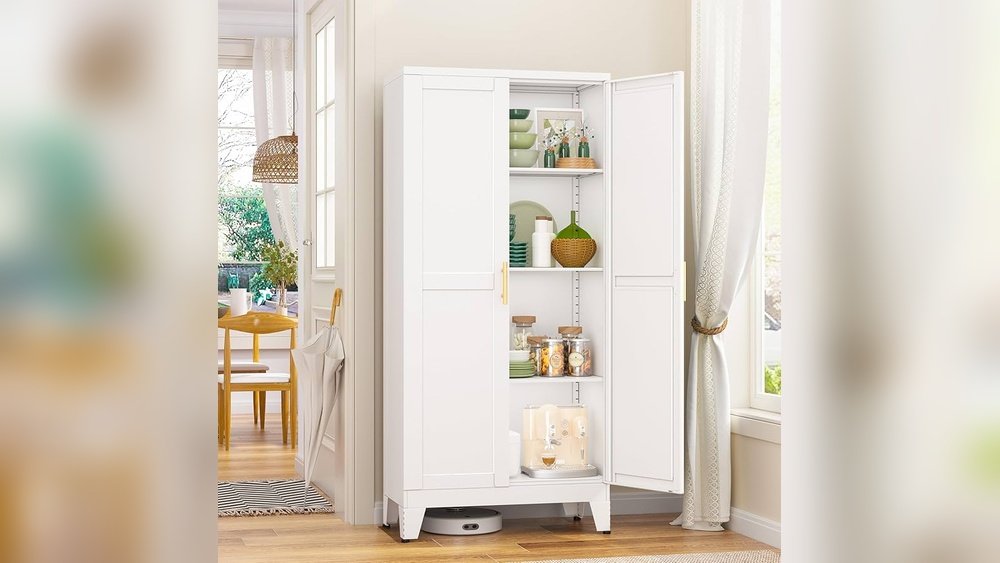
A freestanding pantry is a moveable piece of furniture, like a large cupboard. It’s a great option if your kitchen lacks built-in storage or if you rent your home and can’t make permanent changes.
Pantry Cabinet
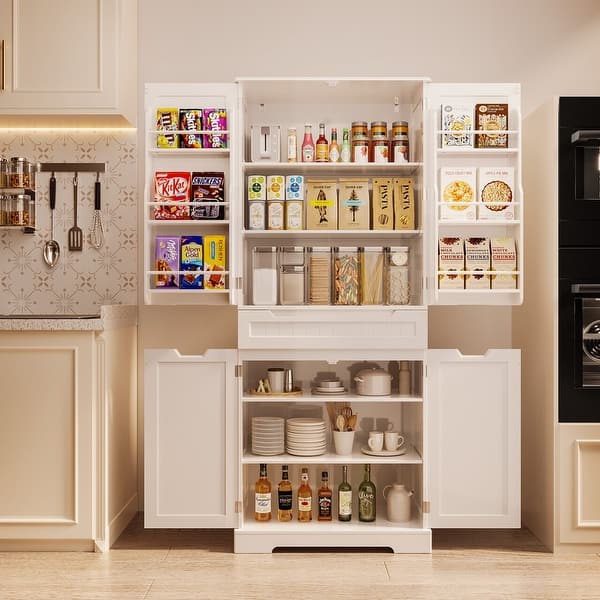
A pantry cabinet is a tall cabinet designed specifically for food storage. It might have adjustable shelves, drawers, or baskets. Pantry cabinets can fit into most kitchens and come in many sizes.
Open Pantry Shelves
Open pantry shelves are wall-mounted shelves or racks that display food items in plain sight. While not for everyone, open shelves can make a kitchen feel bigger and encourage you to keep things tidy.
Hidden Or Pull-down Storage
Some modern kitchens use hidden or pull-down storage—clever features like shelves that drop down from upper cabinets or slide-out drawers under counters. These solutions maximize every inch of space.
Corner Pantry
A corner pantry uses the often-wasted corner space in a kitchen. It might be a small walk-in area or a cabinet with angled shelves. Corner pantries help you use awkward spaces efficiently.
Essential Pantry Storage Solutions
To get the most from your pantry, you need more than shelves. Smart storage solutions keep things organized, visible, and easy to access.
Adjustable Shelving
Shelves that move up or down let you customize storage for tall bottles, cereal boxes, or small cans. Adjustable shelving helps you avoid wasted space and makes rearranging easy as your needs change.
Pull-out Drawers And Baskets
Drawers and baskets help you reach items at the back without moving everything in front. They’re especially useful for potatoes, onions, snacks, or baking supplies.
Lazy Susans (turntables)
A lazy Susan is a rotating tray or shelf. It’s perfect for corners or deep shelves. Place spices, sauces, or small jars on a turntable to grab what you need with a simple spin.
Clear Storage Containers
Clear containers make it easy to see what’s inside and how much you have left. Airtight containers also keep food fresh and protect against pests. Using containers of the same size helps stack and save space.
Over-the-door Racks
If your pantry has a door, use the back for extra storage. Over-the-door racks hold spices, snacks, wraps, or cleaning supplies. This small trick adds a lot of extra room.
Labeling Systems
Labels help everyone in the house know where things go. Use chalkboard labels, stickers, or even a label maker. Consistent labeling makes restocking and cleaning up simple.
Hooks And Hanging Storage
Hooks are great for hanging aprons, reusable shopping bags, or small baskets. Hanging storage uses vertical space that often goes unused.
Stackable Bins
Bins that stack on top of each other make it easy to group similar items together—like snacks, pasta, or baking ingredients. Stackable bins are a lifesaver in small pantries.
Dedicated Zones
Divide your pantry into zones for snacks, baking, breakfast, canned goods, and more. Zoning helps you find things quickly and keeps the pantry organized.
Built-in Lighting
Good lighting helps you see everything, especially in deep or windowless pantries. Consider LED strips, battery-operated lights, or motion sensors to brighten your shelves.
Comparing Pantry Storage Types
To help you see the differences between popular pantry storage types, here’s a comparison:
| Type | Space Needed | Pros | Cons |
|---|---|---|---|
| Walk-in Pantry | Large | High capacity, customizable | Needs extra space, higher cost |
| Reach-in Pantry | Medium | Easy access, fits most kitchens | Limited space |
| Pull-out Pantry | Small | Great for narrow spaces, easy to see items | Limited width, can be costly |
| Freestanding Pantry | Flexible | Moveable, no installation needed | May not match built-in style |
Best Practices For Organizing A Kitchen Pantry
A cluttered pantry wastes time and food. Follow these practical steps to make your pantry work for you.
1. Declutter Regularly
Start by taking everything out of your pantry. Check expiration dates and throw away anything old or stale. This keeps your pantry safe and makes room for what you actually use.
2. Group Similar Items
Put like with like. Keep baking supplies together, snacks in one bin, and canned goods lined up. This makes it easy to find what you need and restock when supplies run low.
3. Use Clear Containers
Transfer dry goods—like flour, rice, and pasta—into clear, airtight containers. You’ll always know how much you have, and your food stays fresh longer.
4. Label Everything
Labels prevent confusion, especially if you have kids or housemates. Label containers, bins, and even shelves.
5. Place Most-used Items At Eye Level
Keep the things you use most often where you can reach them easily. Reserve higher shelves for extras or rarely used ingredients.
6. Store Heavy Items Low
Heavy bags of flour, bottles, or small appliances should be stored on lower shelves to prevent accidents.
7. Rotate Stock
When you buy new food, move older items to the front. This “first in, first out” system helps you use up products before they expire.
8. Maximize Vertical Space
Use stacking bins, tiered shelves, or hanging racks to use every inch of space. Don’t ignore the area above and below shelves.
9. Add Lighting
If your pantry is dark, install LED strips or battery lights so you can see everything.
10. Review And Refresh
Set a reminder to review your pantry every month. Adjust zones, clean shelves, and update your shopping list as needed.
Common Mistakes In Pantry Storage
Many people struggle with pantry storage because of a few simple mistakes. Knowing what to avoid can save you time and frustration.
Overcrowding Shelves
Trying to fit too much onto each shelf makes it hard to find things. Leave some space so you can see everything at a glance.
Keeping Expired Or Unused Items
Out-of-date food takes up valuable space and can attract pests. Regularly check expiration dates and clear out anything you no longer use.
Ignoring Vertical Space
Many people forget to use the space above and below shelves. Adding extra shelves or hanging racks can double your storage.
Not Using Containers
Leaving food in open bags or original packaging can lead to spills, pests, and food going stale. Use airtight containers to keep food safe and organized.
Lack Of Labels
Without labels, it’s easy to forget what’s in each container or bin. Labels help everyone in your home stay organized.
Placing Heavy Items Up High
Storing heavy jars or appliances on high shelves is unsafe. Keep heavy items low to prevent accidents.
Not Adjusting Storage For Changing Needs
Your pantry needs may change with seasons, diets, or family size. Don’t be afraid to rearrange or upgrade storage solutions as your needs change.
How To Create A Pantry In A Small Kitchen
Many people believe a pantry is only possible in large kitchens, but this isn’t true. With creative thinking, even the smallest kitchen can have efficient pantry storage.
Use Cabinets And Drawers
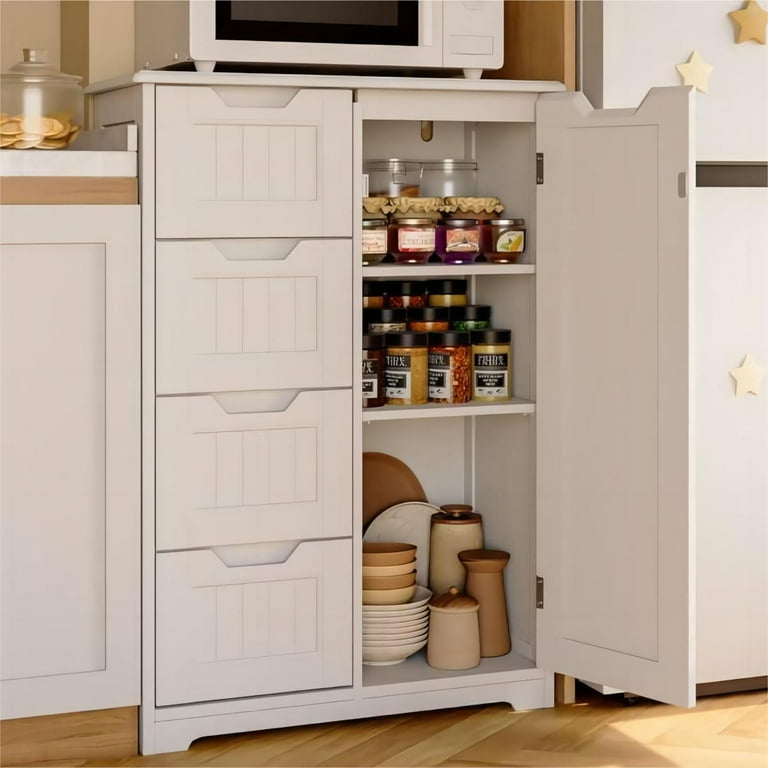
If you don’t have a separate pantry, dedicate a cabinet or set of drawers for dry goods. Add pull-out baskets or adjustable shelves for extra flexibility.
Try Over-the-door Storage
Hang racks or organizers on the inside of cabinet doors to store spices, snacks, or wraps.
Use Freestanding Shelves
Slim shelving units can fit into tight spots, like between the fridge and the wall. Use these for canned goods, jars, or small appliances.
Hang Baskets
Attach baskets or racks to the wall to hold produce, snacks, or kitchen tools.
Stack And Label
Use stackable bins and clear containers to fit more into small cabinets or shelves. Don’t forget to label everything for easy access.
Pantry Storage For Different Lifestyles
Not all households use their pantry the same way. Your ideal storage depends on how you cook, shop, and eat.
Busy Families
Families with kids need easy-to-reach snacks, breakfast items, and lunch supplies. Use bins for grab-and-go snacks, and keep healthy choices at eye level.
Bulk Shoppers
If you shop in bulk, you’ll need large containers and extra shelf space. Consider a dedicated area for overflow items or a freestanding pantry.
Minimalist Cooks
If you prefer to keep things simple, focus on the basics. Use a small cabinet with just a few shelves, and keep only what you use each week.
Home Bakers
Bakers need special storage for flour, sugar, baking powder, and spices. Use airtight containers and label everything. A dedicated baking zone makes it easy to gather ingredients.
Entertainers
If you love hosting, keep extra serving dishes, napkins, and non-perishable snacks in the pantry. Store beverages and party supplies on sturdy, lower shelves.
Pantry Storage Materials: Pros And Cons
The materials you choose for pantry shelves, bins, and containers affect durability, cleanliness, and style. Here’s a quick comparison of common materials:
| Material | Advantages | Disadvantages |
|---|---|---|
| Wire Shelves | Inexpensive, allow air flow | Small items can tip, harder to clean |
| Wood Shelves | Strong, attractive, customizable | Can warp with moisture, may need sealing |
| Plastic Bins | Easy to clean, lightweight | May crack over time, can look less stylish |
| Glass Containers | Non-toxic, airtight, easy to see contents | Heavy, breakable |
Non-obvious Insights For Better Pantry Storage
Most people focus on shelves and bins, but a few lesser-known tips can make a big difference:
- Consider humidity and temperature: Pantries should be cool and dry. Avoid storing food near ovens, dishwashers, or other heat sources. High humidity can make food spoil faster.
- Use deep storage carefully: Deep shelves or cabinets can hide food and lead to waste. Use sliding baskets, pull-out drawers, or turntables so nothing gets lost at the back.
- Keep a small “backstock” zone: Instead of overfilling every shelf, create a small area for extra supplies. Only refill main shelves when you run low. This keeps your pantry tidy and easier to manage.
- Set up a donation basket: Place a basket for unwanted or extra non-perishable food. When it’s full, donate to a local food bank.
Pantry Storage And Food Safety
Proper pantry storage isn’t only about organization—it’s also about food safety. Store dry goods in airtight containers to keep out pests and moisture. Keep cleaning products and chemicals far from food. Check expiration dates regularly, and use the “first in, first out” rule.
Some foods—like onions, potatoes, and garlic—do best in cool, dark, and dry places. Don’t store them in airtight containers; use mesh bags or baskets that allow air flow. Always wash your hands before handling pantry items to avoid spreading germs.
The Future Of Pantry Storage
As technology evolves, so do pantries. Smart pantries can now include sensors to track inventory, automatic lighting, or even climate control. Apps can help you manage your pantry, track expiration dates, and suggest recipes based on what you have on hand.
Eco-friendly storage is also growing in popularity. More people are choosing reusable containers, buying in bulk to reduce packaging, and using sustainable materials for shelves and bins. Some modern kitchens even include built-in compost bins for food scraps.
For more information and inspiration on kitchen organization, you might find the ideas on Martha Stewart’s pantry organization guide helpful.
Frequently Asked Questions
What Is The Ideal Temperature For A Pantry?
The best temperature for a pantry is between 50°F and 70°F (10°C to 21°C). This keeps most dry foods fresh and reduces the risk of mold or spoilage. If your pantry gets too warm, consider moving sensitive foods elsewhere.
How Often Should I Clean My Pantry?
Clean your pantry at least every three to six months. Remove everything, wipe shelves, and check for expired or spoiled food. This helps keep pests away and your food safe.
What Foods Should Not Be Stored In The Pantry?
Do not keep perishable foods like milk, eggs, or fresh meat in the pantry. Also, avoid storing potatoes and onions together—they release gases that make each other spoil faster.
Can I Use My Pantry To Store Non-food Items?
Yes, many people store small appliances, cleaning products, paper goods, or pet food in the pantry. Just keep chemicals and non-food items on separate shelves from food.
How Can I Make A Small Pantry Look Bigger?
Use clear containers, open shelves, and good lighting to make a small pantry appear larger. Store only what you use, and use vertical space with stacking bins or hanging racks.
A well-designed kitchen pantry storage system turns chaos into calm. With the right strategies, even the smallest kitchen can feel spacious and efficient. Remember, pantry storage isn’t about having more space—it’s about making the space you have work smarter for you.
Take a little time to organize your pantry, and you’ll save time, money, and stress every single day.