What Is A Modern Coffee Table?
Walk into any stylish living room today, and you’ll likely spot a coffee table that’s more than just a place for mugs. The modern coffee table has become a centerpiece, both in function and design. It’s not just a piece of furniture; it’s a statement about how we live, relax, and connect with our spaces. But what exactly makes a coffee table “modern”? Is it just about looks, or is there more to understand? Let’s dive deep into the world of modern coffee tables, exploring their history, features, materials, styles, and what sets them apart from traditional options.
Defining The Modern Coffee Table
A modern coffee table is a low table, typically placed in front of a sofa or seating area, designed with contemporary aesthetics and practical use in mind. Unlike their older counterparts, modern tables are not simply utilitarian; they are created to blend form and function in innovative ways. The “modern” label doesn’t just refer to being new — it reflects design principles born in the early to mid-20th century and evolved through today.
So, what makes a coffee table “modern”? Here are the main characteristics:
- Minimalist design: Clean lines, simple shapes, and a lack of excessive ornamentation.
- Innovative materials: Use of glass, metal, engineered wood, and composites alongside (or instead of) traditional solid wood.
- Functional versatility: Designed for multiple uses like storage, display, or even transformation (e.g., adjustable heights).
- Focus on space: Created to work well in open-plan or smaller living spaces.
- Visual impact: Often intended to stand out or harmonize with other modern furnishings.
The modern coffee table is about more than just holding your coffee cup. It reflects changing lifestyles, technology, and design philosophies that value simplicity, adaptability, and style.
A Brief History: From Traditional To Modern
Understanding what a modern coffee table is means knowing where it came from. Coffee tables themselves didn’t become common until the late 19th and early 20th centuries. Earlier tables were often taller, called “tea tables,” and were used in more formal settings.
The coffee table, lower to the ground, became popular as lounge seating and casual entertaining took off.
The “modern” coffee table as we know it emerged from the following influences:
- Modernism (1920s-1940s): Designers like Le Corbusier, Ludwig Mies van der Rohe, and Charles & Ray Eames pushed for furniture that was functional, affordable, and visually clean.
- Mid-Century Modern (1940s-1960s): Focused on organic forms, new materials like bent plywood and molded plastic, and an emphasis on the human experience in design.
- Contemporary Movements (1970s-present): Continued experimentation with shapes, colors, and smart features, blending technology with everyday living.
Today’s modern coffee table borrows from all these eras but adapts to current needs and tastes.
Key Features Of Modern Coffee Tables
Modern coffee tables differ from traditional ones in several ways. Here are the most important features that define a modern coffee table:
1. Low Profile
Most modern coffee tables are 16–18 inches tall, matching the seat height of modern sofas. This creates a balanced, inviting look.
2. Clean Lines
You’ll see straight edges, geometric shapes, and flat surfaces. There’s little to no carving or decorative flourishes.
3. Open Space
Modern tables often feature open shelving, negative space, or glass tops, making rooms feel larger and airier.
4. Mixed Materials
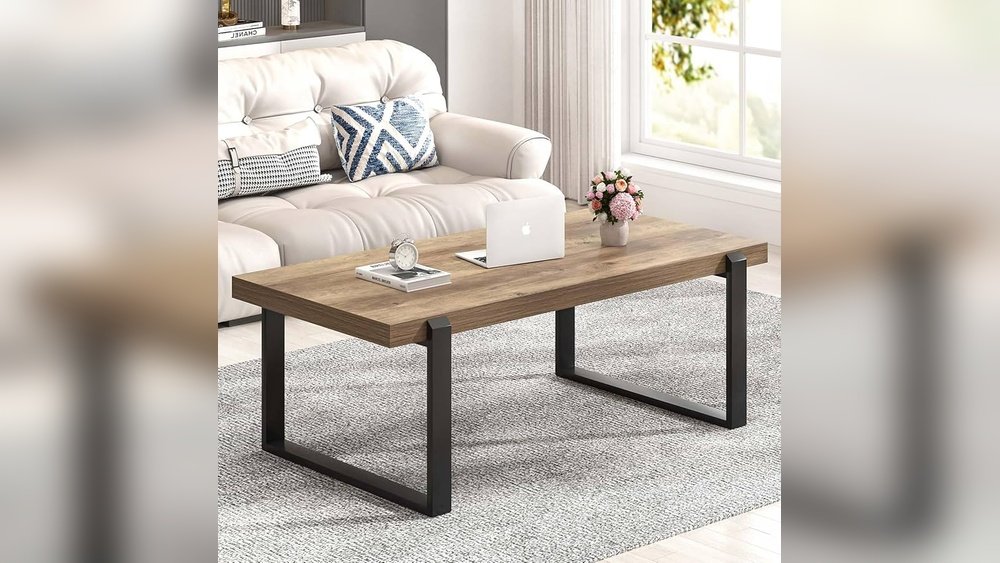
It’s common to see combinations like glass and steel, wood and metal, or even concrete and acrylic. These mixes create visual interest and allow for innovation.
5. Multi-functionality
Many modern coffee tables include storage (drawers, shelves), convertible tops (that lift for eating or working), or modular pieces you can rearrange.
6. Statement Design
Some modern tables have bold shapes or colors, serving as the visual focal point of a room.
7. Sustainability
Eco-friendly materials and construction are becoming more important. Bamboo, reclaimed wood, and recycled metals are popular choices.
Non-obvious insight: Many modern coffee tables are designed to be lightweight or have wheels, making them easy to move for cleaning or rearranging — a practical feature that often goes unnoticed by first-time buyers.
Popular Materials Used In Modern Coffee Tables
The choice of materials is a key part of what makes a coffee table modern. Let’s look at the most common materials, along with their pros and cons.
| Material | Advantages | Disadvantages | Common Uses |
|---|---|---|---|
| Glass | Visually light, easy to clean, matches many decors | Can chip or shatter, shows fingerprints | Tops, shelves |
| Metal | Durable, modern look, various finishes | Can scratch, may feel cold | Frames, legs, accents |
| Wood (engineered or solid) | Warm, natural, versatile | Can be heavy, may scratch or stain | Tops, frames, storage |
| Stone (marble, granite) | Luxurious, durable | Very heavy, can stain | Tops |
| Acrylic/Plastic | Lightweight, trendy, easy to shape | May scratch, less “premium” feel | Entire table, accents |
| Bamboo/Reclaimed Wood | Sustainable, eco-friendly, unique | Less common, may wear with age | Tops, frames |
Tip: When choosing a material, think about who will use the table. Glass might not be ideal for homes with small children, while solid wood can be heavy in small apartments.

Modern Coffee Table Styles
Not all modern coffee tables look the same. There’s a wide range of styles under the “modern” umbrella, each with its own appeal.
Minimalist
- Features: Extremely simple shapes, often rectangular or round, with little visible hardware.
- Best for: People who want their rooms to feel open and clutter-free.
Industrial
- Features: Uses raw materials like metal and reclaimed wood, visible bolts, rough finishes.
- Best for: Urban lofts, spaces with exposed brick or concrete.
Scandinavian
- Features: Light-colored woods, gentle curves, functional yet warm designs.
- Best for: Cozy, inviting rooms with natural light.
Mid-century Modern
- Features: Tapered legs, organic shapes, walnut or teak finishes.
- Best for: Retro-inspired spaces or those wanting a blend of old and new.
Contemporary
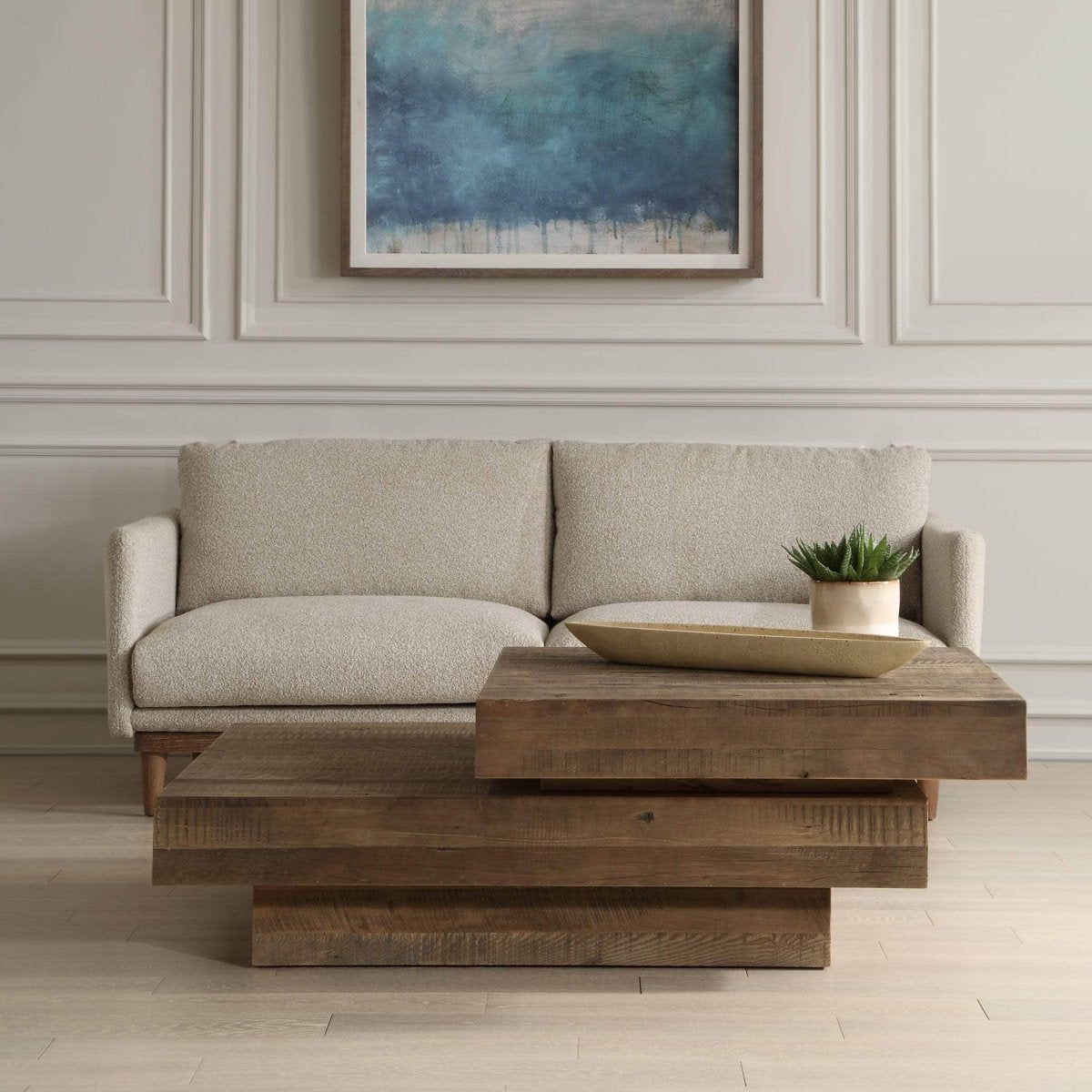
- Features: Bold colors, experimental shapes, sometimes multi-level or asymmetrical.
- Best for: Artistic or eclectic interiors.
Smart Tables
- Features: Built-in charging ports, Bluetooth speakers, mini-fridges.
- Best for: Tech-lovers and people who want extra convenience.
Non-obvious insight: Many buyers confuse “contemporary” with “modern.” Remember, “modern” refers to a specific historical design movement, while “contemporary” simply means “current.” Some coffee tables are both!
Comparing Modern Vs. Traditional Coffee Tables
To better understand the differences, here’s a side-by-side comparison.
| Feature | Modern Coffee Table | Traditional Coffee Table |
|---|---|---|
| Design Style | Minimalist, functional, innovative | Ornate, classic, decorative |
| Common Materials | Glass, metal, engineered wood, acrylic | Solid wood, marble, heavy metals |
| Color Palette | Neutrals, monochrome, bold accents | Rich browns, golds, traditional hues |
| Functionality | Often multipurpose (storage, tech) | Mainly surface only |
| Room Integration | Blends with open, flexible spaces | Matches formal, fixed layouts |
Practical example: A glass-and-steel modern table can make a small living room feel open and bright, while a heavy, carved wooden table might look out of place in a sleek studio apartment.
How To Choose The Right Modern Coffee Table
Picking the best modern coffee table isn’t just about what looks good in a catalog. Here’s a practical approach:
1. Measure Your Space
A coffee table should be about two-thirds the length of your sofa, with at least 18 inches of walking space around it. Too big, and it overwhelms the room; too small, and it looks lost.
2. Prioritize Function
Ask yourself:
- Do you need extra storage?
- Will you use the table for eating or working?
- Does it need to be lightweight or movable?
3. Match Your Style
Consider your existing furniture, wall colors, and decor. A minimalist glass table may look out of place with traditional couches, while a wood-and-metal industrial table pairs well with leather seating.
4. Think About Material
Choose a material that fits your lifestyle. Glass is elegant but needs regular cleaning. Wood adds warmth. Metal is robust but can scratch floors if not protected.
5. Look For Quality
Check for sturdy construction, smooth finishes, and quality hardware. Avoid tables that wobble or have loose joints.
6. Don’t Ignore Safety
Rounded corners are safer for kids and pets. Tempered glass is stronger and safer than regular glass.
7. Consider Sustainability
If you care about the environment, look for eco-certified woods or recycled materials.
Common mistake: Many shoppers pick a coffee table based only on price or appearance, then regret it when it’s too bulky, fragile, or doesn’t match their needs.
Trends In Modern Coffee Tables
Design trends change, but some ideas are shaping the modern coffee table world right now:
- Modular designs: Sets of smaller tables you can rearrange for flexibility.
- Smart features: Wireless charging, hidden outlets, even built-in coolers.
- Bold color pops: Tables in bright blues, reds, or yellows as statement pieces.
- Natural textures: Mixing stone, wood, and metal for organic appeal.
- Sustainable choices: Growing demand for responsibly sourced materials.
Data point: According to a 2023 furniture industry report, over 40% of new coffee table designs now offer some form of built-in storage or tech integration.
Caring For A Modern Coffee Table
Maintenance depends on the material:
- Glass: Use a microfiber cloth and glass cleaner. Avoid abrasive sponges.
- Wood: Dust regularly, use coasters, and clean with a damp cloth. Oil or wax occasionally.
- Metal: Wipe with a soft, dry cloth. Polish stainless steel with a special cleaner.
- Stone: Seal marble or granite tops annually. Clean spills quickly to avoid stains.
- Acrylic: Clean with mild soap and water. Avoid ammonia-based cleaners.
Practical tip: Always use coasters and placemats to protect your table from water rings and scratches, especially with glass or wood surfaces.
Famous Modern Coffee Table Designs
Some tables have become icons in the design world. Here are three you might recognize:
Noguchi Coffee Table
Designed in 1947 by Isamu Noguchi, this table is famous for its sculptural wooden base and curved glass top. It’s considered a masterpiece of mid-century modern design.
Eileen Gray Adjustable Table
Created in the 1920s, this tubular steel and glass table is often copied. Its height-adjustable top makes it both stylish and practical.
Platner Coffee Table
Warren Platner’s 1966 design features a sculptural steel wire base and a round glass top, blending art and function.
These designs are still made today, proving the lasting appeal of modern style.
Where To Buy Modern Coffee Tables
You can find modern coffee tables at:
- Furniture retailers: Crate & Barrel, West Elm, IKEA, CB2, and more.
- Online marketplaces: Wayfair, Amazon, Overstock, and specialty design shops.
- Custom designers: Local woodworkers or metal shops can create a one-of-a-kind piece.
Advice: Check reviews and look for clear return policies, especially when buying online.
Cost Of Modern Coffee Tables
Prices vary widely. Here’s a general breakdown:
| Type | Low Range | Mid Range | High Range |
|---|---|---|---|
| Basic (glass, wood) | $80 | $200 | $500+ |
| Designer/Brand-name | $300 | $600 | $2,000+ |
| Smart/Tech table | $250 | $500 | $1,500+ |
Note: Prices can be much higher for iconic or custom-made pieces.

How Modern Coffee Tables Influence Living Spaces
A modern coffee table does more than fill a gap in your living room. It can:
- Make a small room feel bigger (with glass or open-frame designs)
- Add a splash of personality (with a bold color or unique shape)
- Support your lifestyle (offering storage, workspace, or tech)
- Set the tone for the rest of your decor
Smart designers use coffee tables to tie together colors, textures, and themes. Sometimes, simply swapping out an old table for a modern one can transform how a room feels.
Frequently Asked Questions
What Makes A Coffee Table “modern”?
A modern coffee table is defined by its minimalist design, innovative materials, and focus on both style and function. It avoids heavy ornamentation, often uses materials like glass, metal, or engineered wood, and may offer extra features like storage or smart technology.
How Tall Is A Typical Modern Coffee Table?
Most modern coffee tables are between 16 and 18 inches tall, which is usually level with the seat height of a standard sofa. This height is comfortable for reaching drinks and magazines while seated.
Can Modern Coffee Tables Be Used For Storage?
Yes, many modern coffee tables include built-in storage such as drawers, shelves, or lift-tops. This is especially useful for small spaces where extra storage is needed.
Are Modern Coffee Tables Expensive?
The price of a modern coffee table ranges widely, from about $80 for a simple table to $2,000 or more for designer pieces. Factors like material, brand, and special features (like technology integration) impact cost.
Where Can I Find More Information About Modern Furniture Design?
For a deeper dive into modern design principles, you can check resources like the Wikipedia page on Modern Furniture.
Modern coffee tables are more than just furniture—they’re a reflection of changing lifestyles, innovation, and personal taste. Whether you want a piece that blends into your space or stands out as a work of art, there’s a modern coffee table that can elevate your living room in both form and function.
As you explore your options, remember to balance style with practicality, and choose a table that will serve you well for years to come.