A freestanding kitchen pantry cabinet can change how you use your kitchen space, but many people are not sure what it actually is. Maybe you have seen beautiful photos of these cabinets in magazines or online. Maybe you are looking for more storage but do not want to remodel your whole kitchen.
This article will help you understand exactly what a freestanding kitchen pantry cabinet is, how it works, and why it might be the best solution for your home. We will cover types, materials, features, benefits, buying tips, and practical advice—so you finish this article with no doubts left.
What Is A Freestanding Kitchen Pantry Cabinet?
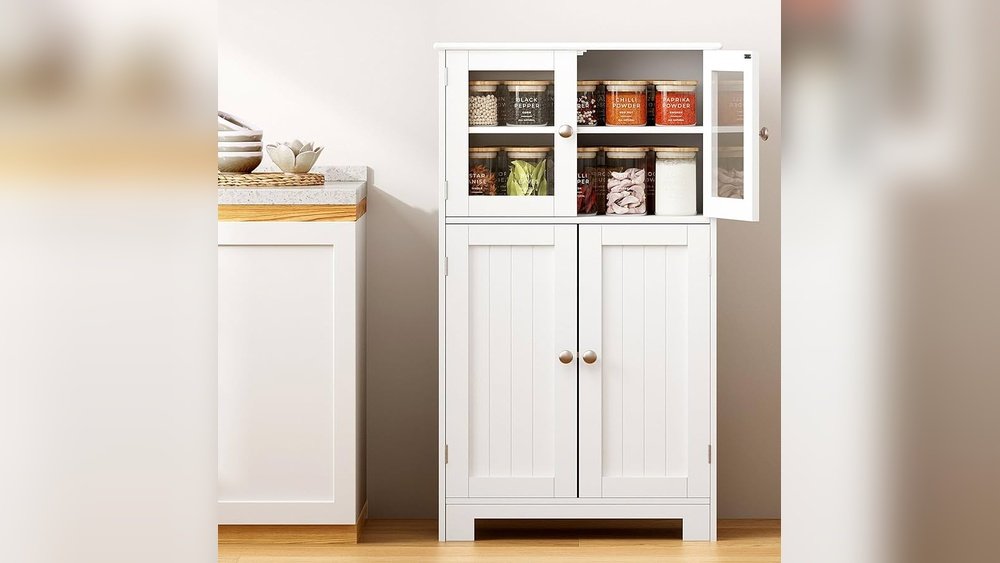
A freestanding kitchen pantry cabinet is a storage unit designed to hold food, small appliances, and kitchen items. Unlike built-in pantries, which are part of the kitchen’s structure, a freestanding cabinet is a separate piece of furniture. You can move it, place it anywhere with enough space, and even take it with you if you move to a new home.
These cabinets come in many shapes and sizes. Some are tall and slim, others are wide and short. They usually have shelves, drawers, and doors. Some have special features like spice racks, pull-out baskets, or even a countertop space.
The main idea is simple: a freestanding pantry cabinet gives you more storage without changing your kitchen’s layout.
How A Freestanding Pantry Cabinet Differs From Other Storage
It is important to know how a freestanding pantry is different from other kitchen storage options.
| Feature | Freestanding Pantry Cabinet | Built-in Pantry | Wall Cabinets | Freestanding Shelves |
|---|---|---|---|---|
| Mobility | Moveable | Fixed | Fixed | Moveable |
| Installation | No tools needed | Professional install | Professional install | No tools needed |
| Enclosed Storage | Yes, usually | Yes | Yes | No |
| Custom Fit | No | Yes | Yes | No |
A freestanding pantry cabinet is more flexible than built-in options. You do not need to call a contractor or drill into walls. If you want to rearrange your kitchen, you can simply move the cabinet.
Types Of Freestanding Kitchen Pantry Cabinets
There is a wide range of styles and functions. Here are the most common types you will see:
Tall Pantry Cabinets
Tall units often reach above your head—sometimes over 72 inches (180 cm). They are slim, so they fit in small spaces but still offer a lot of storage. These are great for holding canned goods, cereal boxes, or cleaning supplies.
Double Door Pantry Cabinets
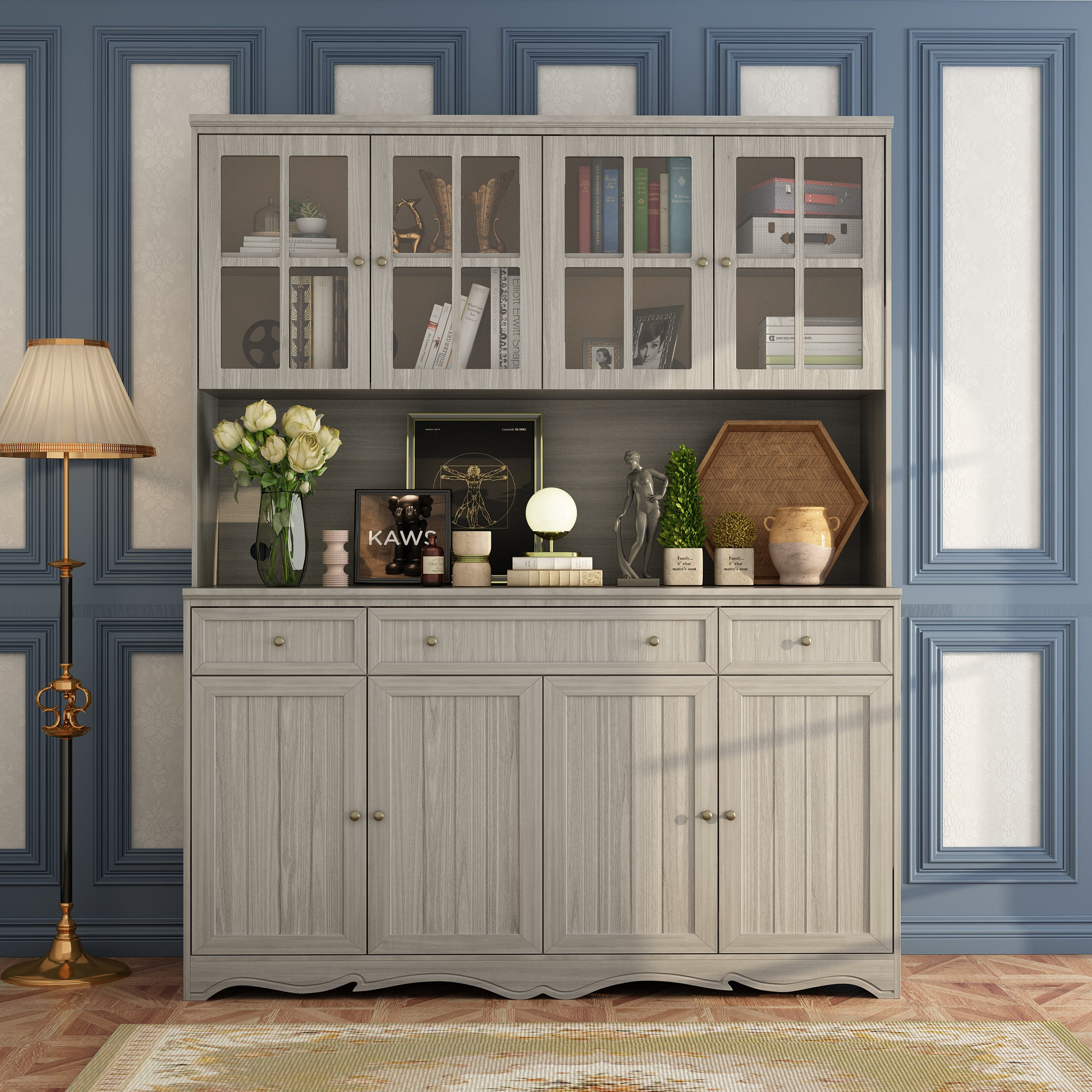
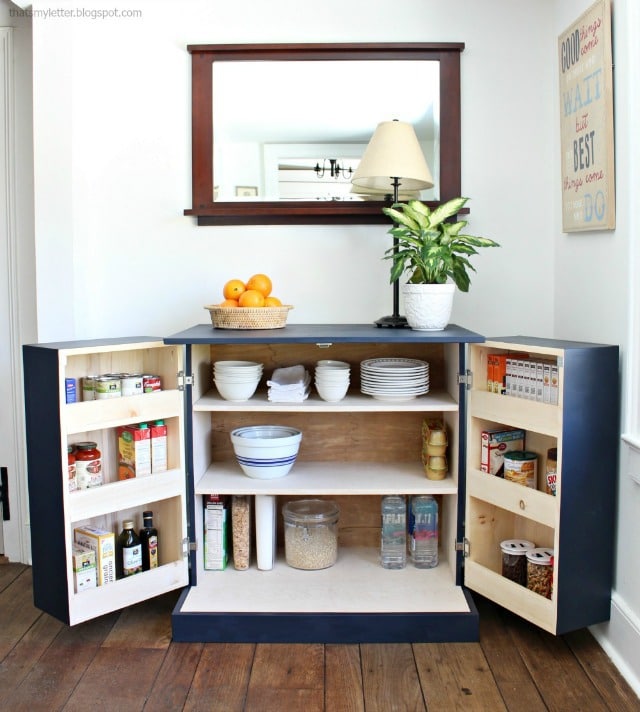
These look like a wardrobe. They usually have two large doors and shelves inside. Some models have drawers at the bottom for extra storage. This type is popular for families who need to store many types of items.
Pantry Cabinets With Drawers
Some freestanding cabinets offer both shelves and drawers. Drawers are useful for storing utensils, napkins, or small kitchen tools. They help keep everything organized and easy to find.
Corner Pantry Cabinets
If you have an unused corner, a corner pantry cabinet can make the most of that space. These cabinets often have a triangle or curved shape, so they fit neatly into the corner.
Multi-purpose Pantry Cabinets
Some cabinets come with a countertop. This gives you space to prepare food or place appliances like a microwave or coffee maker. These are especially useful in small kitchens or apartments.
Glass Door Pantry Cabinets
If you want to display your dishes, glass door cabinets add style and let you see what is inside. You can use them for both storage and decoration.
Rolling Pantry Cabinets
Some freestanding pantry cabinets have wheels. You can move them easily, even when full. This is helpful if you want to change your kitchen layout often or need storage in different rooms.
Materials Used In Freestanding Pantry Cabinets
The material of your pantry cabinet affects how it looks, how long it lasts, and how much it costs. Here are the main materials:
Solid Wood
Solid wood cabinets are strong and heavy. They last a long time and can handle a lot of weight. Woods like oak, pine, and maple are popular. Solid wood is usually more expensive, but it looks classic and can be painted or stained.
Engineered Wood
Engineered wood includes MDF (medium-density fiberboard) or particleboard. These are less expensive and lighter than solid wood. They often come with a veneer to look like real wood. They can be damaged by water, so keep them dry.
Metal
Metal pantry cabinets are tough and modern. They are easy to clean and good for heavy items. They are often used in commercial kitchens but can look stylish in homes too.
Plastic Or Laminate
Plastic or laminate cabinets are affordable and lightweight. They are easy to move and clean. These are good for renters or if you need a simple solution.
Mixed Materials
Some cabinets use a mix, such as a wood frame with glass doors or metal handles. This gives a unique look and can increase durability.
Key Features To Look For
Choosing a freestanding pantry cabinet is not just about style. Here are important features to consider:
- Adjustable Shelves: Shelves you can move up or down let you store tall or short items easily.
- Deep Drawers: Drawers help organize small things like packets, napkins, or tools.
- Strong Doors: Look for solid hinges and doors that close smoothly.
- Back Panel: A strong back panel adds stability. Thin panels can make the cabinet wobble.
- Stable Base: Wide legs or a sturdy base prevent tipping.
- Easy Assembly: Some cabinets are tricky to build. Check reviews or ask for assembly help if needed.
- Finish Quality: Paint or stain should be smooth and resist scratches.
- Ventilation: Cabinets with small holes or mesh doors keep air moving, which prevents mold.
- Safety Locks: If you have children, some cabinets offer locks or soft-close doors.
Pros And Cons Of A Freestanding Kitchen Pantry Cabinet
Every storage solution has good and bad points. Here is a closer look:
| Pros | Cons |
|---|---|
|
|
A freestanding pantry cabinet is best for people who want flexibility and do not want to spend a lot of money or time remodeling.
Ideal Locations To Place A Freestanding Pantry Cabinet
Where you place your pantry cabinet can make a big difference in your kitchen’s flow. Here are smart spots:
- Next to the fridge: Keep dry goods near cold storage for easy meal prep.
- Near the dining area: Store plates, napkins, or snacks for fast access during meals.
- Unused wall space: If you have a blank wall, a tall pantry fills it and adds storage.
- Inside a large closet: Some people put a pantry inside a hallway or utility closet for hidden storage.
- Small apartments: Place a compact pantry in the corner to maximize space.
Tip: Measure your space before buying. Make sure you have enough room to open the doors and drawers fully.
How To Organize A Freestanding Pantry Cabinet
A pantry only works well if it is organized. Here are steps to make the most of your storage:
- Group similar items: Keep baking supplies, snacks, and canned goods together.
- Label shelves: Use simple labels so everyone knows where things go.
- Use baskets or bins: Store small packets or loose items in baskets. This makes items easy to pull out.
- First in, first out: Put new food behind older items so you use older items first.
- Keep heavy items low: Store cans or appliances on lower shelves to avoid tipping.
People often forget to use the inside of cabinet doors. You can add hooks, spice racks, or small shelves here for even more storage.
Who Needs A Freestanding Kitchen Pantry Cabinet?
These cabinets are not just for large families or big kitchens. Here is who can benefit:
- Renters: Take your storage with you when you move.
- Small kitchen owners: Add space without remodeling.
- Busy parents: Organize snacks and supplies for kids.
- Home bakers: Store flour, sugar, and baking tools in one place.
- People with limited cabinets: Make up for a lack of built-in storage.
Even if you have a built-in pantry, a freestanding cabinet can help separate specialty items or bulk purchases.
How To Choose The Right Freestanding Pantry Cabinet
Picking the right cabinet can be tricky. Here are steps to follow:
1. Measure Your Space
Use a tape measure to find the height, width, and depth you can use. Remember to allow space to open doors and move around.
2. Decide What To Store
List the items you want to keep in your pantry. This helps you know how many shelves, drawers, or special features you need.
3. Match Your Kitchen’s Style
Choose a finish and design that fits your kitchen. White, black, wood grain, or glass—pick what looks best with your current décor.
4. Check The Material
Decide if you want solid wood, engineered wood, metal, or plastic. Think about durability, cost, and cleaning needs.
5. Read Reviews
Look for reviews on quality and assembly. Some cabinets are easier to put together and last longer.
6. Set A Budget
Prices range from under $100 to over $1,000. Set your budget before shopping to narrow your choices.
7. Consider Future Moves
If you move often, choose a lightweight or easy-to-disassemble model.
Common Mistakes When Buying Or Using A Freestanding Pantry Cabinet
Many buyers make simple mistakes. Here is what to watch out for:
- Not measuring space: Buying a cabinet that is too big or small for your kitchen.
- Ignoring door swing: Not leaving room for doors or drawers to open fully.
- Overloading shelves: Putting too much weight on weak shelves can cause them to bow or break.
- Choosing the wrong material: Wood may warp in humid kitchens; metal may feel cold or industrial.
- Skipping assembly instructions: Not following the steps can make the cabinet unstable.
- Not anchoring tall cabinets: If your cabinet is tall and narrow, consider anchoring it to the wall for safety—especially with kids.
- Buying without thinking ahead: Consider how your needs may change, such as a growing family or moving to a new home.
How To Care For And Maintain Your Pantry Cabinet
To keep your pantry looking good and working well, follow these tips:
- Clean regularly: Wipe shelves with a damp cloth. Avoid harsh cleaners that can damage finishes.
- Check for spills: Clean up food spills fast to avoid attracting bugs or mold.
- Adjust shelves: Move shelves as your storage needs change.
- Tighten screws: Over time, screws and hinges can loosen. Check and tighten them every few months.
- Watch for water damage: Keep the cabinet dry, especially if it is made of wood or MDF.
Proper care can make even a budget cabinet last for years.
Trends And Modern Designs In Freestanding Pantry Cabinets
Pantry cabinets have changed a lot in recent years. Here are some trends:
- Open shelving mixed with cabinets: Combines easy access with hidden storage.
- Eco-friendly materials: Cabinets made from recycled wood or low-VOC finishes are popular.
- Minimalist styles: Clean lines and simple handles look modern.
- Smart storage: Some cabinets include charging ports or built-in lighting.
- Customizable interiors: Adjustable racks, bins, and spice organizers let you design your own layout.
Designers now mix glass, metal, and wood for a unique look. Matte black and navy blue finishes are also trendy.
Real-life Examples: How People Use Freestanding Pantry Cabinets
Let’s look at how different people use these cabinets:
- The busy family: One family put a double-door pantry near the kitchen entrance to organize school snacks, lunchboxes, and breakfast items. Now mornings are less chaotic.
- The home chef: A home cook uses a tall pantry with adjustable shelves to hold specialty flours, oils, and baking pans. This keeps the kitchen counters clear.
- The renter: A college student in a small apartment uses a slim, rolling pantry to store noodles, canned food, and cleaning supplies. When they move, the pantry goes with them.
- The organizer: Someone who loves order added baskets and labels to their pantry cabinet. Now, every item has a place, and shopping is easier because they can see what is running low.

Cost And Value: What To Expect
How much does a freestanding kitchen pantry cabinet cost? Prices vary, but here are rough ranges:
- Budget models: $80–$200. Usually made from particleboard or laminate. Good for light use or temporary needs.
- Mid-range: $200–$600. Often solid wood or high-quality engineered wood. More features and better finishes.
- High-end: $600–$1,500+. Premium woods, glass, metal accents, and designer styles.
Remember, the most expensive cabinet is not always the best. Focus on what fits your space, style, and needs.
Environmental Impact And Sustainability
If you care about the environment, look for cabinets made from FSC-certified wood or recycled materials. Some companies use low-emission glues and finishes that are safer for your home. Buying a quality cabinet that lasts many years is also more eco-friendly than replacing cheap units often.
Where To Buy A Freestanding Kitchen Pantry Cabinet
You can find these cabinets in many places:
- Furniture stores: Offer the best chance to see the cabinet in person.
- Online retailers: Wider selection and often better prices, but you cannot see quality before buying.
- Big box stores: Good for budget options or if you need a cabinet quickly.
- Second-hand shops: You can find solid wood cabinets at a great price. Check for damage or missing parts.
Tip: Always check return policies and delivery options. Some cabinets are heavy and may need two people to move.
Assembly Tips For Freestanding Pantry Cabinets
Most cabinets come flat-packed. Here is how to make assembly easier:
- Read instructions first: Lay out all parts and tools. Make sure you have everything.
- Use the right tools: Many cabinets need a screwdriver and hammer. Some need a drill.
- Build on a soft surface: Put down a rug or blanket to avoid scratching the cabinet or your floor.
- Ask for help: Some cabinets are heavy. A helper makes assembly faster and safer.
- Check stability: Before loading shelves, make sure the cabinet does not wobble.
If you are not handy, consider hiring help from a local service.
How A Freestanding Pantry Cabinet Adds Value To Your Home
A well-chosen pantry cabinet does more than just store food. Here’s how it adds value:
- Increases kitchen storage: Makes your kitchen more functional and attractive.
- Appeals to buyers and renters: People love extra storage; it can help sell or rent your home.
- Reduces clutter: Hides mess, making your kitchen look clean and organized.
- Flexible investment: You can take it with you if you move, unlike built-in cabinets.
According to the National Kitchen & Bath Association, good kitchen organization is one of the top features buyers want in a home.
Frequently Asked Questions
What Is The Main Difference Between A Freestanding And A Built-in Pantry?
A freestanding pantry cabinet is a separate piece of furniture you can move and place anywhere. A built-in pantry is built into your kitchen’s structure and cannot be moved. Freestanding models are easier to add, remove, or take with you if you move.
How Much Weight Can A Freestanding Pantry Cabinet Hold?
It depends on the material and design. Solid wood or metal cabinets can hold more weight—sometimes over 200 pounds (90 kg) spread across all shelves. Engineered wood or plastic models usually hold less. Always check the manufacturer’s guidelines to avoid overloading.
Are Freestanding Pantry Cabinets Safe For Homes With Children?
Yes, but safety steps are important. Choose cabinets with a stable base and, for tall models, anchor them to the wall. Look for soft-close doors and drawers to prevent pinched fingers. Some cabinets offer safety locks as well.
How Do I Keep My Pantry Cabinet Organized?
Group similar items together, use baskets or bins, and label shelves. Place heavy items on lower shelves and lighter items higher up. Check and clean the pantry regularly to avoid expired food and clutter.
Can I Use A Freestanding Pantry Cabinet Outside The Kitchen?
Absolutely. Many people use them in dining rooms, laundry rooms, or even garages. They are useful anywhere you need extra storage for food, supplies, or equipment.
For more information on kitchen organization and pantry design, visit Wikipedia’s Pantry article.
A freestanding kitchen pantry cabinet is a simple way to add storage, style, and flexibility to your kitchen or home. With so many choices, you can find one that matches your needs, budget, and taste. By thinking about your space, what you plan to store, and the features you need, you will pick a cabinet that serves you well for years.