A coffee table sits quietly in the middle of many living rooms, but its role is far bigger than many people realize. This simple piece of furniture does more than just hold cups of coffee. It supports our daily lives, reflects our personalities, and often becomes the center of social activity at home.
If you have ever wondered, “What is a coffee table used for? ” You might be surprised at how many answers there are.
Coffee tables have a long history, and their uses have changed over time. Today, they are not only practical but also an important part of home design. Whether you live in a small apartment or a large house, a coffee table can make your space feel complete.
It can add comfort, style, and organization to any room. Many people choose their coffee tables with care, thinking about size, shape, and the material that best fits their needs.
In this article, you will discover all the main ways people use coffee tables, both traditional and creative. You will learn what to consider when choosing one, see how it compares to other similar tables, and find out how to get the most from this often-overlooked piece of furniture.
By the end, you’ll never look at your coffee table the same way again.
The Traditional Role Of A Coffee Table
The main purpose of a coffee table is to provide a low, accessible surface in the center of a seating area. Traditionally, it holds drinks, snacks, and small items while people are relaxing or entertaining. The table’s height—usually between 16 to 18 inches—makes it easy to reach from a sofa or armchair without standing up. This small detail changes the way people interact in a room.
Early coffee tables, which appeared in the late 19th century, were sometimes used for serving tea, but soon became a place for coffee cups as Western habits changed. Over time, they became a fixed part of living rooms in homes across the world. The traditional uses of a coffee table include:
- Placing drinks and snacks within easy reach
- Holding remote controls, books, or magazines
- Providing a spot for decorative items like vases or candles
- Serving as a casual dining surface for small meals
For many families, the coffee table also acts as a gathering point. People sit around it, share conversations, and sometimes play board games or cards. This simple piece of furniture brings people together in a comfortable, informal way.
Modern Functions And Creative Uses
Coffee tables have evolved far beyond their traditional roles. As homes and lifestyles change, so do the uses for this central table. Today, a coffee table can serve many modern and creative functions.
1. Displaying Personal Style
A coffee table is often the focal point of a living room. It showcases your style and personality through the objects you choose to display. Many people use their coffee tables to show off:
- Art books or travel guides
- Decorative trays or bowls
- Unique sculptures or collectibles
The items on your coffee table can tell a story about your interests and life. Changing these displays with the seasons or for special occasions keeps your space feeling fresh.
2. Organizing The Living Room
In busy homes, a coffee table helps keep the living room tidy. Many modern tables have built-in storage—drawers, shelves, or hidden compartments. You can store:
- TV remotes
- Coasters
- Magazines or newspapers
- Children’s toys
This extra storage helps reduce clutter and makes the room easier to use. For families with young children, a table with rounded corners and hidden storage is especially useful.
3. Supporting Work And Hobbies
As more people work from home, the coffee table sometimes becomes a temporary workspace. It can hold a laptop, notebook, or even a stack of documents during a meeting. Some people use their coffee table as a base for hobbies like:
- Puzzles and board games
- Drawing or crafting
- Folding laundry
A sturdy, easy-to-clean surface makes these activities more comfortable. For hobbies that need more space, some coffee tables can be extended or raised to create a larger work area.
4. Extra Seating
In small homes or during parties, a coffee table can act as extra seating. Some tables are strong enough to hold the weight of a person, making them a practical choice when you have more guests than chairs. Soft, upholstered coffee tables (sometimes called ottomans) are especially comfortable for this purpose.
5. Dining In The Living Room
Many people enjoy casual meals in front of the TV. The coffee table becomes a dining surface for pizza nights, snacks, or breakfast. Some tables are designed with adjustable heights or lift-top surfaces to make eating more comfortable.
6. Creating Zones In Open Spaces
In open-plan homes, a coffee table helps define the living area. It separates the seating space from other parts of the room, like the dining area or kitchen. A well-placed coffee table can make a large space feel more cozy and organized.
Comparing Coffee Tables With Other Tables
People often confuse coffee tables with other types of tables, such as side tables and ottomans. Understanding the differences can help you choose the right piece for your space. Here is a simple comparison:
| Type | Height | Placement | Main Use |
|---|---|---|---|
| Coffee Table | 16-18 inches | Center of seating area | Drinks, display, storage |
| Side Table | 20-24 inches | Next to sofa/chair | Lamp, small items |
| Ottoman | 15-18 inches | Anywhere in living room | Seating, footrest, sometimes table |
A coffee table is lower and larger than a side table, making it more suitable for group activities and display. Ottomans offer comfort and flexibility but may not be ideal for holding drinks unless you add a tray.
Factors To Consider When Choosing A Coffee Table
Choosing the right coffee table can make a big difference in how your room looks and works. Here are some important factors to think about:
Size And Shape
Measure your space before buying. The coffee table should be about two-thirds the length of your sofa and about the same height as your sofa’s seat. Common shapes include:
- Rectangular: Fits most traditional spaces and sofas
- Round or oval: Safer for homes with children, easy to move around
- Square: Good for large seating areas or sectional sofas
Never choose a table that is too big or small for your space—it will look out of place and may block movement.
Material
Coffee tables come in many materials, each with its own look and feel:
- Wood: Warm, classic, and strong
- Glass: Modern, makes small rooms feel bigger, but shows fingerprints
- Metal: Sleek, industrial, and durable
- Stone (marble, granite): Elegant, heavy, and needs care
Choose a material that matches your lifestyle. For example, glass tables may not be the best for homes with active children or pets.
Storage Options
If you need extra storage, look for tables with shelves, drawers, or lift-up tops. This helps you keep the living room tidy and organized.
Style
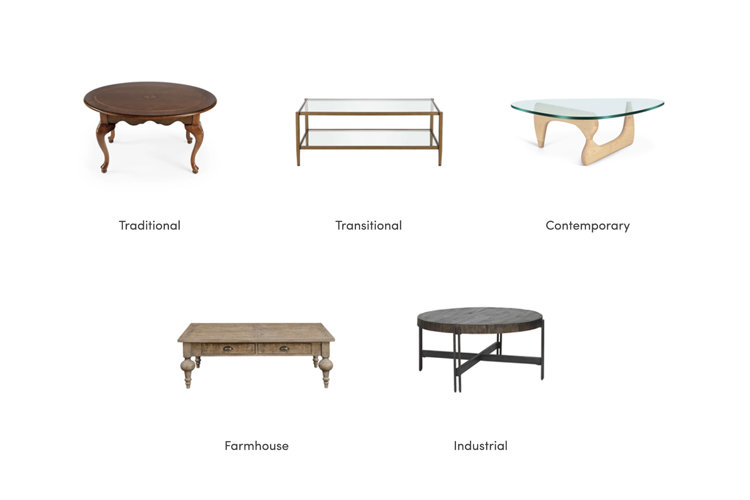
Coffee tables come in many styles, from mid-century modern to rustic farmhouse. Choose one that matches your other furniture and personal taste. Some popular styles include:
- Modern
- Traditional
- Industrial
- Scandinavian
The right style can bring the whole room together.
Functionality
Think about how you use your living room. If you often eat in front of the TV, a lift-top table might be helpful. If you host guests, choose a sturdy table that can handle drinks and snacks.
Budget
Prices for coffee tables range from less than $100 to several thousand dollars for designer pieces. Set a budget before you shop, but remember that a good coffee table can last for many years.
Coffee Table As A Design Element
A coffee table is not just for function—it is also a key part of your room’s design. Designers often use coffee tables to add color, texture, and balance to a space. Here are some ways a coffee table can change the look of your living room:
- Contrast: A dark table in a light room or a glass table in a cozy space adds interest.
- Texture: Wood, metal, or stone tables provide a different feel than soft sofas or rugs.
- Balance: The shape and size of the table help balance the room’s layout.
For example, a round coffee table can soften a room with many straight lines. A table with a bold color or unique shape can become a conversation piece.
Non-obvious Uses And Insights
Most people know the basic uses of a coffee table, but there are several less common ways to use this versatile piece of furniture.
1. Pet Station
Some pet owners turn the space under their coffee table into a cozy bed for dogs or cats. This keeps pet beds out of walkways and gives animals a safe, close spot to relax.
2. Charging Hub
With so many electronic devices, a coffee table can also serve as a charging station. Some modern tables have built-in outlets or USB ports. You can also use trays or baskets to organize charging cables and keep devices within easy reach.
3. Rotating Display Gallery
Instead of keeping the same decorations all year, use your coffee table as a place to rotate small artworks, family photos, or seasonal decorations. This keeps your living room feeling fresh and helps you enjoy your favorite items more often.
4. Hidden Workouts
Some people use sturdy coffee tables for quick exercises—like step-ups or stretches—when space is limited. Just make sure your table is strong enough to support your weight.
5. Play Area For Kids
For families, the coffee table often becomes a mini play area. Kids use it to build with blocks, color, or play games. Tables with rounded edges and easy-to-clean surfaces are best for this purpose.
Safety Considerations
A coffee table should be safe for everyone in your home. Here are some important safety tips:
- Choose tables with rounded corners if you have young children or elderly family members to reduce injury risk.
- Make sure the table is stable and not easy to tip over.
- Avoid glass tables if you have active pets or children.
- Do not overload the table with heavy items that could fall.
Paying attention to these details can prevent common accidents and make your living space safer for all.
Cleaning And Maintenance
How you clean your coffee table depends on its material:
- Wood: Dust often and use a soft cloth. Clean with wood cleaner as needed. Avoid water rings by using coasters.
- Glass: Clean with glass spray and a microfiber cloth. Wipe away fingerprints regularly.
- Metal: Dust with a dry cloth. For tough spots, use a damp cloth and dry immediately.
- Stone: Wipe with a damp cloth. Avoid harsh chemicals that can damage the surface.
Regular cleaning keeps your coffee table looking good and extends its life. For tables with moving parts (like lift-tops), check hardware and tighten screws every few months.
Coffee Table Trends And Innovations
Coffee tables are always changing. Some of the latest trends include:
- Smart coffee tables with built-in speakers, refrigerators, or wireless charging pads
- Modular tables that can be rearranged for different uses
- Eco-friendly tables made from recycled or sustainable materials
Modern designs often focus on flexibility, technology, and environmental impact. For example, some tables now include Bluetooth speakers for music or USB ports for charging devices. This shows how the coffee table continues to adapt to our changing needs.
How Coffee Tables Are Used Around The World
The way people use coffee tables can be very different in other countries. In some cultures, people sit on the floor with low tables for meals or tea, similar to the Japanese chabudai. In Scandinavian countries, coffee tables are often simple and made from light wood, fitting with the hygge lifestyle that values comfort and coziness.
In Middle Eastern homes, low tables are used to serve tea and sweets to guests, showing hospitality. The materials, shapes, and uses of coffee tables reflect both tradition and modern life in each culture.
Common Mistakes When Using A Coffee Table
Even though coffee tables are simple, people often make a few mistakes:
- Choosing the wrong size: A table that is too big or small makes the room feel unbalanced.
- Ignoring function: Choosing a beautiful table that does not fit your daily needs leads to frustration.
- Overcrowding the surface: Too many decorations make the table look messy and less useful.
- Placing it too far or too close: The ideal distance from the sofa is about 18 inches—close enough to reach, but not in the way.
- Forgetting about safety: Sharp edges or unstable tables can cause accidents.
Avoiding these mistakes will help you get the most from your coffee table, both for style and use.
Practical Tips For Styling Your Coffee Table
A well-styled coffee table adds charm to your living room. Here are some tips:
- Use a tray to organize small items and make cleaning easier.
- Add books or magazines for interest and color.
- Include a small plant or flowers for a fresh feel.
- Mix objects of different heights and textures for balance.
- Keep some space open for drinks and snacks.
Remember, less is often more. It’s better to change decorations regularly than to fill the table with too many things.
:max_bytes(150000):strip_icc()/choose-a-coffee-table-1391479-02-ff0ffcaa28754dceac10c02e1fb7a0e6.jpg)
Data: The Popularity Of Coffee Tables
Coffee tables are one of the most common pieces of furniture in modern homes. According to a 2022 industry report, about 89% of American living rooms have a coffee table. The market for coffee tables is expected to grow by 4% per year worldwide, as people continue to spend more time at home and invest in their living spaces.
Here’s a comparison of coffee table materials’ popularity in the United States:
| Material | Popularity (%) |
|---|---|
| Wood | 55 |
| Glass | 25 |
| Metal | 12 |
| Stone | 8 |
Wood remains the favorite, thanks to its versatility and classic look. However, glass and metal are gaining popularity in modern homes.
Eco-friendly Coffee Table Choices
As more people care about the environment, eco-friendly coffee tables are becoming popular. Look for tables made from:
- Reclaimed wood: Old wood reused for a new table, reducing waste
- Bamboo: Fast-growing and sustainable
- Recycled metal or glass
Choosing sustainable materials helps the planet and often adds unique character to your home. Check for certifications like FSC (Forest Stewardship Council) when shopping.

The Emotional Value Of A Coffee Table
Many people form emotional connections with their coffee tables. It might be a place where you played games as a child, shared meals with family, or celebrated special moments. Over time, a coffee table collects memories and becomes part of your home’s story.
A well-chosen coffee table is more than just furniture—it’s a silent witness to daily life.
Frequently Asked Questions
What Is The Ideal Height For A Coffee Table?
The best height for a coffee table is usually 16 to 18 inches, which matches most sofas. The surface should be about the same height as your sofa seat or slightly lower. This makes it easy to reach items while sitting comfortably.
Can A Coffee Table Double As A Storage Unit?
Yes, many coffee tables are designed with built-in storage like drawers, shelves, or lift-up tops. This is especially helpful in small homes or apartments, where space is limited. Always check the table’s weight limit before storing heavy items.
How Can I Keep My Coffee Table Looking Stylish But Not Cluttered?
Use a tray to organize small items, and limit decorations to three or four pieces. Choose objects of different heights and textures for interest. Keep part of the table clear for daily use, and change decorations with the seasons to keep things fresh.
Are Glass Coffee Tables Safe For Homes With Children Or Pets?
Glass coffee tables look modern but can be risky in busy homes. If you choose glass, look for tempered glass, which is stronger and safer. Round edges are better than sharp corners. Always teach children not to jump or climb on the table.
Where Can I Learn More About Furniture Design And Coffee Tables?
You can find more information about the history, types, and design of coffee tables at the Wikipedia Coffee Table page.
A coffee table may seem simple, but its uses are almost endless. From holding your morning coffee to supporting family memories, this central piece of furniture is both practical and personal. By choosing the right table and using it well, you can make your living room more comfortable, stylish, and organized for years to come.