A coffee table is more than just a simple piece of furniture. For many homes, it acts as the heart of the living room, quietly supporting the rhythm of daily life. You may rest your feet on it after a long day, display flowers or books, or host friends and family around it.
But what exactly is a coffee table, and why has it become such an essential fixture in modern living spaces? Let’s take a deep dive into the history, function, varieties, materials, sizes, and design tips about coffee tables, uncovering details most people never consider.
The Origin And Evolution Of The Coffee Table
The story of the coffee table stretches back over a century. While low tables existed in the Ottoman Empire, Japan, and Europe, the modern coffee table as we know it developed during the late 19th and early 20th centuries in Britain. At first, it was simply a low table placed in front of a sofa, used to hold tea sets or books. The rise of coffee as a popular social drink in the 1900s gave this table a new name and purpose.
As living rooms became common, so did coffee tables. They evolved alongside interior design trends, from heavy carved wood in Victorian times to sleek glass and metal in the modernist era. Today, coffee tables come in almost every style imaginable, serving not just as a resting place for drinks, but as a statement of taste and lifestyle.
What Makes A Coffee Table Unique?
A coffee table is a low table typically placed in the center of a seating area, often in front of a sofa. Its height usually ranges from 16 to 18 inches (40 to 46 cm), although some modern designs are slightly higher or lower. The main feature that distinguishes a coffee table from other tables is its placement and purpose: it’s designed for casual use, often holding drinks, snacks, remote controls, books, or decorative objects.
Unlike dining tables or desks, coffee tables are not meant for formal eating or work. Their size and shape are made for accessibility, allowing people sitting on sofas or chairs to reach items easily without standing up. Some coffee tables include shelves or drawers for storage, while others focus purely on style.
Functions And Uses In Everyday Life
Coffee tables are surprisingly versatile. Their most obvious function is holding drinks and snacks during social gatherings or family time. However, their uses expand far beyond this:
- Display space: Coffee tables are perfect for showcasing magazines, books, candles, vases, or art objects.
- Storage: Many designs include shelves, drawers, or lift-top compartments to hide away clutter like remotes, games, or blankets.
- Footrest: Some people use their coffee table to rest tired feet, especially if it’s sturdy and has a soft surface.
- Temporary desk: In smaller homes, coffee tables sometimes act as a laptop station for casual work or study.
- Game table: Board games or puzzles often find a home on the coffee table during family time or parties.
Non-obvious insight: The right coffee table can improve the flow of a room, encouraging conversation and making the space feel more inviting. A poorly chosen one, however, can block movement and make a room feel cramped.
Different Types Of Coffee Tables
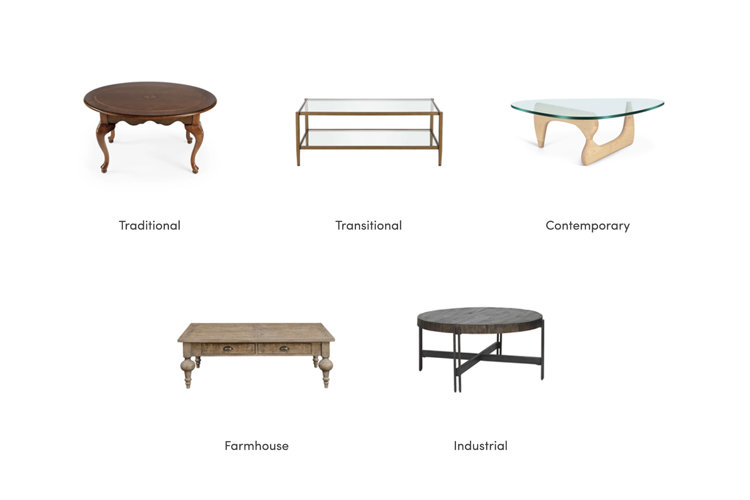
The world of coffee tables is rich and varied. There’s a style for every taste, need, and budget. Here are the most common types you’ll find:
1. Traditional Coffee Tables
Often made from solid wood, these tables feature classic lines, carved details, and sometimes ornate legs. They work well in formal or timeless living rooms. Some include drawers for extra storage.
2. Modern Coffee Tables
Modern designs focus on clean lines, minimalist shapes, and materials like glass, metal, or lacquered wood. They often have unique geometric forms and bold finishes, adding a contemporary touch to any space.
3. Industrial Coffee Tables
Inspired by factories and warehouses, industrial tables mix metal frames with wood, concrete, or reclaimed materials. Exposed hardware and wheels are common, giving them a rugged, urban look.
4. Mid-century Coffee Tables
The mid-century style, popular from the 1950s to the 1970s, is still highly sought after. These tables feature tapered legs, simple shapes, and natural woods like teak or walnut. They add warmth and retro flair.
5. Rustic Coffee Tables
Rustic tables celebrate the beauty of natural materials. Expect distressed wood, rough edges, and handcrafted details. They fit well in country, farmhouse, or cozy casual rooms.
6. Lift-top Coffee Tables
These clever designs have a top that lifts up, creating a higher surface for eating, working, or storage. They’re great for small apartments or people who often use the living room as a workspace.
7. Ottoman Coffee Tables
Ottoman tables are upholstered, often padded, and sometimes tufted. They double as a footrest and can also provide hidden storage under the top.
8. Nested Coffee Tables
Nested tables come in sets of two or three that fit under each other. You can pull them out for extra surface when guests arrive and push them together to save space.
9. Glass Coffee Tables
Glass tops create a feeling of openness and light, making rooms look bigger. The base may be metal, wood, or acrylic. Be aware, though, that fingerprints and dust show up easily.
10. Storage Coffee Tables
These tables feature built-in compartments, baskets, or drawers. They’re perfect for keeping remotes, magazines, or children’s toys out of sight but within easy reach.
Common Shapes And Their Impact
The shape of a coffee table affects both style and function. Here are the most popular shapes and where they work best:
Rectangular
By far the most common, rectangular coffee tables fit well with standard sofas and offer the most surface area. They work best in larger rooms or long seating arrangements.
Square
Square tables are ideal for sectional sofas or square-shaped rooms. They create a balanced look but may take up more floor space.
Round
Round coffee tables soften the look of a room and are safer if you have children, since there are no sharp corners. They encourage conversation and fit well with curved or L-shaped seating.
Oval
Oval tables combine the best of rectangular and round shapes. They offer plenty of surface area but are easier to move around, making them popular in high-traffic living rooms.
Unusual Shapes
Some designers create tables in hexagons, triangles, or organic “freeform” shapes. These act as conversation pieces and can bring energy to a simple space, but measure carefully before choosing one.
Materials: Choices And Considerations
Coffee tables come in a wide variety of materials, each with its own pros and cons. Here’s a handy comparison:
| Material | Pros | Cons | Best For |
|---|---|---|---|
| Wood | Warm, sturdy, timeless | Can scratch, needs care | Classic, rustic, or casual rooms |
| Glass | Modern, makes room look bigger | Shows dirt, can break | Small spaces, modern decor |
| Metal | Strong, industrial look | Can feel cold, may scratch | Urban, loft, or eclectic styles |
| Stone/Marble | Elegant, durable | Heavy, expensive | Luxury or high-end rooms |
| Acrylic | Light, modern, invisible look | May scratch, less sturdy | Small or crowded rooms |
| Leather/Upholstered | Soft, multi-purpose | Not for hot drinks, stains | Family or TV rooms |
Non-obvious insight: If you have kids or pets, consider materials that are easy to clean and not too delicate. Glass tables look great but can be risky with active children.

Choosing The Right Size
Picking the wrong size coffee table is one of the most common mistakes. Here’s what to consider:
- Height: The top should be the same height as your sofa seat, or 1–2 inches lower. Too high or too low makes it awkward to use.
- Length: Aim for about two-thirds the length of your sofa. For example, if your sofa is 90 inches long, look for a table around 60 inches.
- Distance: Leave 16–18 inches of space between the coffee table and sofa. This is enough for easy movement without stretching to reach your drink.
- Width: Consider the room size. In small rooms, choose a slimmer table to avoid blocking pathways.
Here is a guide for matching table size to sofa length:
| Sofa Length | Recommended Table Length | Room Size | Notes |
|---|---|---|---|
| 72 inches | 48 inches | Small | Go for glass or acrylic to save visual space |
| 84 inches | 56 inches | Medium | Try round for easy movement |
| 96 inches | 64 inches | Large | Rectangular with shelves for storage |
Pro tip: Always measure your space before buying. Mark the size on your floor with tape to see how it feels.
Style And Design Tips For Coffee Tables
A coffee table is not just about function—it can anchor your room’s style. Here are tips to get the look right:
- Match or contrast: Your coffee table doesn’t need to match your sofa exactly. Sometimes, contrast (like a dark table with a light sofa) adds interest.
- Mix materials: Combine wood, metal, or glass for a designer look. Just keep the room balanced.
- Shape for flow: Use round or oval tables in small or busy rooms for safer, smoother movement.
- Decorate thoughtfully: Avoid overcrowding the surface. Try a tray for remotes, a small stack of books, and a vase or candle for beauty.
- Think about legs: Open, leggy tables make a room look bigger. Solid bases feel grounded and substantial.
Non-obvious insight: Styling your coffee table in layers (low tray, medium books, tall vase) adds depth and visual interest.

Coffee Tables In Different Rooms
While living rooms are the most common spot for a coffee table, they work in other spaces too:
- Family rooms: Choose sturdy, easy-clean tables. Ottomans with storage are great for kids’ toys.
- Offices: A coffee table in a waiting area or meeting space makes guests feel welcome.
- Bedrooms: Small coffee tables or ottomans can act as bedside benches.
- Outdoor patios: Weather-resistant tables (metal, treated wood, plastic) create an outdoor living room.
In each case, adjust materials and size for the room’s needs.
Popular Coffee Table Trends
Coffee table design changes with the times. Some current trends include:
- Multi-use designs: Lift-top, storage, or convertible tables are popular in small homes.
- Natural materials: Raw wood, stone, and organic shapes bring warmth and calm.
- Bold bases: Sculptural or unusual table bases act as art as well as furniture.
- Mix and match: Using two smaller tables instead of one large one allows flexibility and creativity.
- Eco-friendly choices: Reclaimed wood or recycled materials are in demand for sustainable homes.
Stay open to new ideas, but choose what fits your life and style.
Coffee Table Alternatives
Sometimes, a classic coffee table isn’t the best fit. Here are some alternatives:
- Ottomans: Soft, safe, and can provide hidden storage.
- Trunks: Vintage or modern trunks double as tables and storage.
- Benches: Long, low benches can serve as both seats and tables.
- Side tables: Multiple small side tables offer flexibility, especially in tight spaces.
- Poufs: These are soft, movable, and child-friendly, though not stable for drinks.
Common Mistakes When Buying A Coffee Table
It’s easy to make mistakes when choosing a coffee table. Here are some to avoid:
- Ignoring size: Too large blocks movement; too small looks lost.
- Choosing style over function: A beautiful table that’s not practical won’t be used.
- Forgetting about maintenance: Some materials need regular cleaning or special care.
- Not considering safety: Glass or sharp corners may be risky for children or elderly.
- Overcrowding the room: Leave enough space for walking and other furniture.
Non-obvious insight: It’s better to wait and save for the right table than rush and buy one that doesn’t fit your room.
How To Care For And Maintain A Coffee Table
A coffee table lasts longer with proper care. Here’s how to keep yours looking its best:
- Clean regularly: Wipe with a soft, damp cloth. For wood, use a cleaner made for your finish.
- Protect the surface: Use coasters for drinks. Place trays or mats under heavy or rough objects.
- Avoid direct sunlight: Sun can fade wood and some finishes.
- Handle spills quickly: Especially on wood, marble, or fabric.
- Check for loose parts: Tighten screws or bolts on tables with metal or moving parts.
For more on furniture care, see this helpful resource: Wikipedia: Coffee Table.
Coffee Tables Around The World
Coffee tables aren’t the same everywhere. In Japan, low tables (chabudai) are used for both eating and tea, with people sitting on the floor. In the Middle East, tea tables are often ornate and made of metal, reflecting local traditions. In Europe and the US, the coffee table is more about comfort and casual living.
This global variety shows how a simple table adapts to culture and need.
Frequently Asked Questions
What Is The Ideal Height For A Coffee Table?
The best height for a coffee table is usually the same as your sofa seat, or 1–2 inches lower. This makes it easy to reach items while sitting. Most coffee tables are between 16 and 18 inches (40–46 cm) tall.
Can A Coffee Table Be Used As A Dining Table?
Coffee tables are not designed for regular dining. They are too low for comfortable eating with chairs. However, some lift-top coffee tables can double as a dining surface in small spaces, but only for casual meals.
What Is The Difference Between A Coffee Table And A Side Table?
A coffee table is larger, lower, and placed in front of a sofa, serving the whole seating area. A side table is smaller, taller, and sits beside a chair or sofa, often for one person’s use.
Are Glass Coffee Tables Safe For Homes With Children?
Glass coffee tables can be risky if you have young children, as they may break or cause injuries. If you prefer glass, look for tables with tempered glass, rounded edges, and sturdy frames for extra safety.
How Do I Style A Coffee Table?
Keep it balanced and not too crowded. Use a tray for small items, stack a few books, add a decorative object like a vase or candle, and leave some open space. Adjust your styling for the season or special events for a fresh look.
A coffee table may seem like a simple purchase, but the right choice can bring together your living space, reflect your style, and make everyday life more comfortable. Whether you choose classic wood, modern glass, or a clever storage design, think about your needs and space.
With the tips and insights above, you’re ready to pick the perfect coffee table for your home.