A buffet cabinet might seem like just another piece of furniture, but it’s much more than that. This classic storage unit has a rich history and practical value in modern homes. If you’ve ever been curious about what a buffet cabinet is, how it’s used, or whether it’s right for your space, you’ll find all the answers here.
Let’s explore the world of buffet cabinets, from their origins and styles to real-life uses and expert shopping tips.
Understanding The Buffet Cabinet
A buffet cabinet is a low, long storage unit, often found in dining rooms or living spaces. It’s designed to hold dinnerware, table linens, serveware, and sometimes even food during gatherings. Unlike a regular cabinet or sideboard, a buffet cabinet is meant to combine storage with a surface for serving or displaying items.
Historically, buffets have roots in European households. They became popular in the 18th century as homes grew bigger and dining customs changed. The buffet provided a place to keep dishes close by but out of sight, making mealtime smoother and more organized.
Today, a buffet cabinet serves both functional and decorative roles. Many people use them to showcase family heirlooms, hold seasonal décor, or even as a minibar. The blend of utility and style makes buffet cabinets a staple in many homes around the world.
Core Features Of A Buffet Cabinet
What makes a buffet cabinet different from other furniture? Here are the features that set it apart:
- Low Height: Buffets are usually waist-high or lower, making them easy to access and perfect for serving.
- Long Surface: Their extended length gives plenty of room to lay out dishes or decorations.
- Ample Storage: Inside, you’ll find shelves, drawers, or cabinets for storing plates, glasses, cutlery, and more.
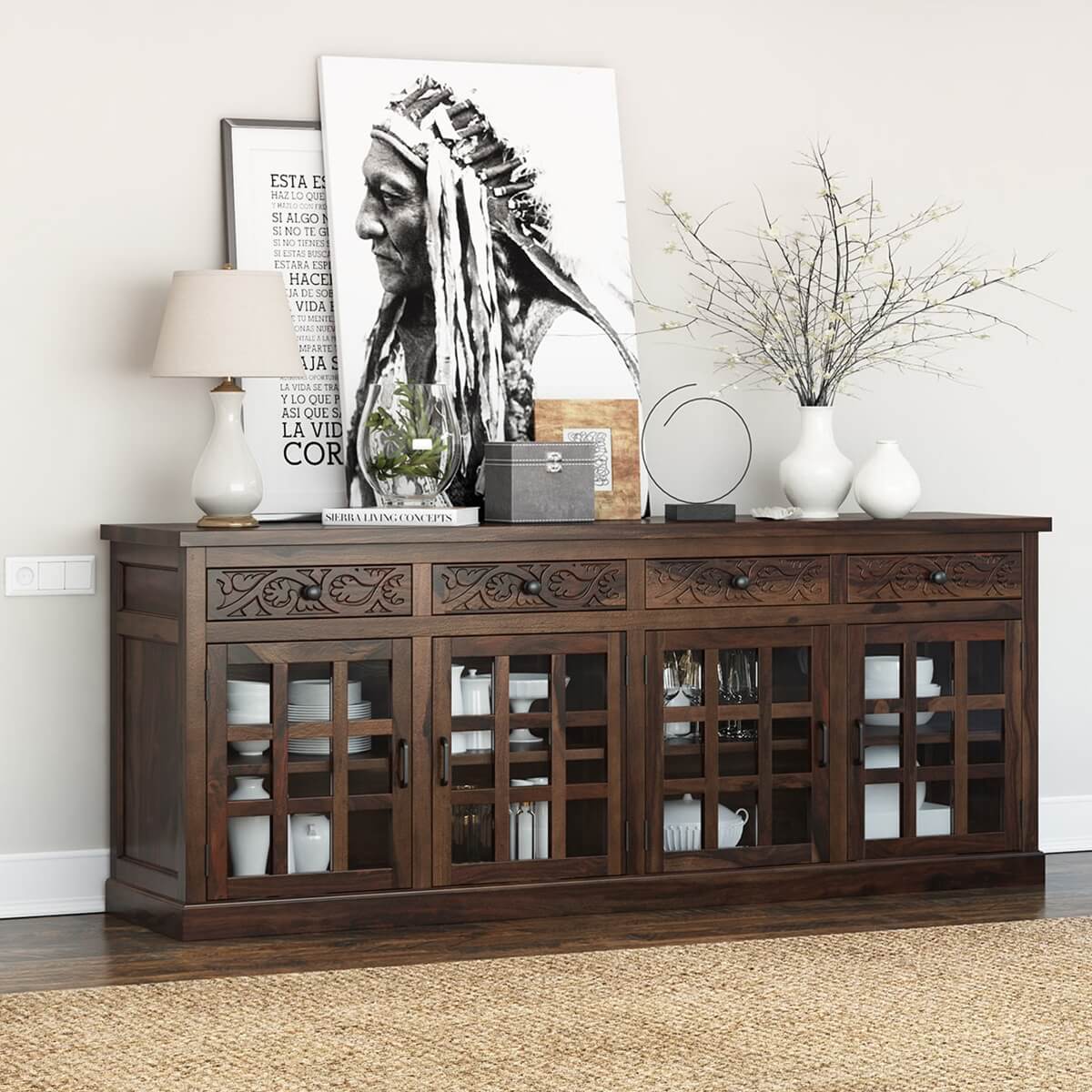
- Decorative Design: Buffets often feature stylish details like carved wood, glass doors, or metal hardware.
Most buffet cabinets are about 30 to 36 inches tall, 48 to 60 inches wide, and 16 to 20 inches deep. These measurements make them ideal for dining rooms, hallways, or even open-plan living areas.
Types Of Buffet Cabinets
Buffet cabinets come in many forms to suit different tastes and needs. Here are some popular types:
Traditional Buffet
These buffets have a classic look, often made from solid wood like oak, cherry, or mahogany. They may include ornate carvings, glass-front doors, and brass handles. Traditional buffets are perfect for formal dining rooms or vintage-inspired spaces.
Modern Buffet
Modern buffets feature clean lines, minimal hardware, and a focus on function. Materials like engineered wood, glass, or metal are common. They fit well in contemporary or minimalist homes.
Mid-century Buffet
Inspired by the 1950s and 1960s, mid-century buffets are known for their tapered legs, geometric shapes, and warm wood tones. They blend style and practicality, making them a favorite in retro or eclectic interiors.
Rustic Buffet
Rustic buffets use natural materials such as reclaimed wood or distressed finishes. They have a cozy, farmhouse feel and work well in country-style or cottage homes.
Buffet With Hutch
Some buffets come with a hutch on top, providing extra shelves or cabinets. This makes them useful for storing and displaying dishes, glassware, or collectibles.
Minimalist Buffet
A minimalist buffet focuses on simplicity. It often has flat surfaces, hidden handles, and neutral colors. This type of buffet is ideal for small spaces or rooms with a calm, uncluttered design.
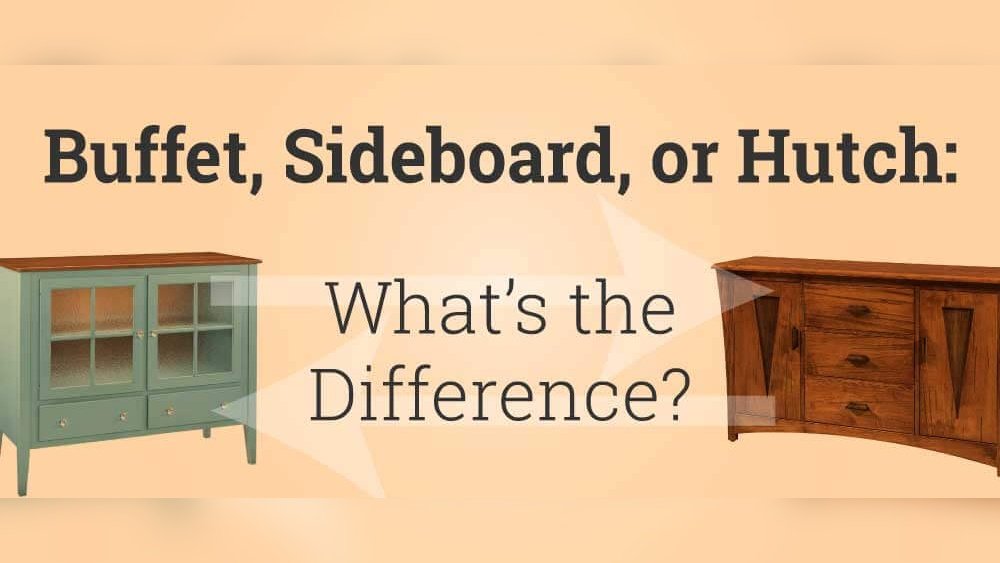
Buffet Cabinet Vs. Sideboard Vs. Credenza
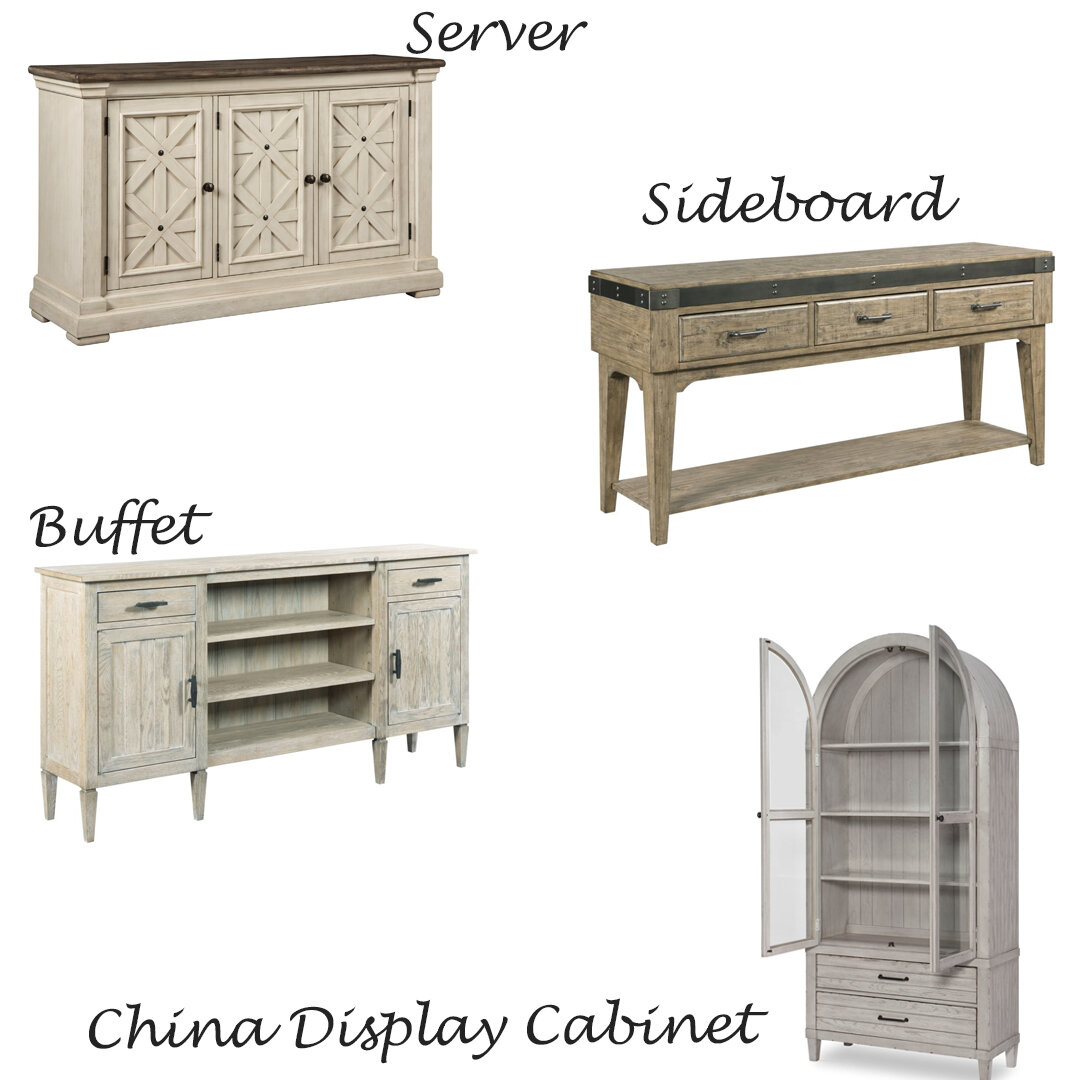
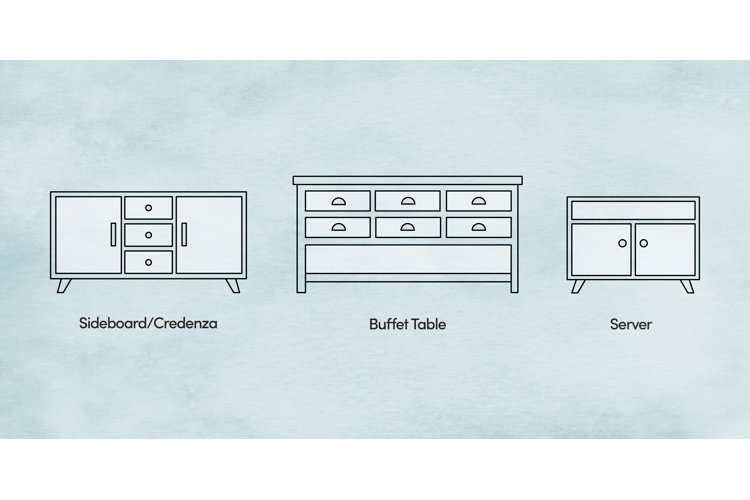
Many people confuse buffet cabinets with sideboards and credenzas. While these pieces are similar, they have some differences worth noting.
| Feature | Buffet Cabinet | Sideboard | Credenza |
|---|---|---|---|
| Height | Waist-high or lower | Waist-high, sometimes taller | Low, similar to buffet |
| Primary Use | Dining room storage, serving | Dining or living room storage | Office or living room, media storage |
| Design | Focus on serving surface | Often more formal or decorative | Streamlined, sliding doors |
| Location | Dining room, hallway | Dining room, entryway | Living room, office |
The main takeaway: buffet cabinets are designed for serving and storing in dining spaces, while sideboards can be more decorative and credenzas are often used for media or office storage.
Practical Uses Of Buffet Cabinets
Buffet cabinets are more versatile than many people realize. Here’s how you can use one in your home:
- Serving Station: During parties, buffets are perfect for laying out food, drinks, or desserts.
- Storage for Dinnerware: Store plates, bowls, glasses, and cutlery close to your dining table.
- Display Area: Show off family photos, flower arrangements, or art pieces.
- Mini Bar: Set up a spot for your favorite spirits, mixers, and glassware.
- Home Office Helper: Use a buffet to organize office supplies and store important documents.
- Entryway Organizer: Place keys, mail, and essentials in the drawers and use the top for a lamp or décor.
- Toy Storage: Buffets with cabinets and drawers can help organize kids’ toys and games.
A non-obvious insight: Many people think buffets belong only in dining rooms, but they work well in living rooms, bedrooms, or even home offices. Their blend of storage and display makes them useful in almost any room.
Choosing The Right Buffet Cabinet
Selecting the best buffet cabinet for your home takes some thought. Here’s what to consider:
Size And Scale
Measure your space before shopping. A buffet that’s too large can make a room feel cramped, while one that’s too small won’t offer enough storage or serving area. Leave at least 36 inches of clearance between the buffet and any nearby furniture for easy movement.
Material And Durability
Solid wood buffets are durable and often more expensive. Engineered wood and veneers are budget-friendly but may not last as long. Metal or glass buffets add a modern touch but can be prone to scratches or fingerprints.
Storage Needs
Think about what you’ll store. Deep drawers are great for linens, while adjustable shelves can hold dishes of different sizes. If you plan to display items, look for a buffet with glass doors or open shelving.
Style And Finish
Match the buffet to your home’s style. For example, a rustic buffet fits a farmhouse look, while a glossy white buffet works in a modern space. Choose a finish that’s easy to clean and resists scratches.
Extra Features
Some buffets have wine racks, built-in lighting, or locks for extra security. Decide which features matter most for your needs.
Budget
Buffet cabinets range from under $200 to over $2,000 depending on size, material, and brand. Set a budget and compare options within your price range.
Key Benefits Of Owning A Buffet Cabinet
Buffet cabinets offer several unique benefits:
- Organization: Keep dinnerware, linens, and serveware neatly stored and easy to find.
- Flexibility: Use the surface for serving during parties or as a display when not entertaining.
- Style: Add elegance and interest to your dining or living space.
- Increased Storage: Get more storage without bulky closets or shelves.
For families, a buffet cabinet can help reduce clutter and make mealtimes more efficient. For those who love to entertain, it provides a hub for food and drinks, keeping the dining table clear for guests.
How To Style A Buffet Cabinet
A buffet is more than just storage—it’s a place to express your style. Here are some ideas to make your buffet stand out:
- Layered Décor: Place a large mirror or artwork above the buffet, then add smaller items like vases or candles.
- Symmetry: Use matching lamps or candlesticks at each end for a balanced look.
- Seasonal Touches: Change decorations with the seasons—think pumpkins in fall, flowers in spring.
- Tray Organization: Use a tray to group items like bottles or glasses for a tidy appearance.
- Personal Touches: Add family photos, travel souvenirs, or favorite books.
A common mistake is overloading the buffet’s surface. Leave some space to avoid a cluttered look and keep it functional for serving.
Cleaning And Maintaining Your Buffet Cabinet
Regular care keeps your buffet looking its best. Here’s what you should do:
- Dust Weekly: Use a soft, dry cloth to remove dust and crumbs.
- Wipe Spills Quickly: Clean up food or drink spills right away to prevent stains.
- Polish Wood: For wood buffets, use a furniture polish every few months to maintain shine.
- Check Hardware: Tighten loose handles or hinges as needed.
- Avoid Harsh Cleaners: Stick to gentle, non-abrasive products to protect finishes.
For glass or metal buffets, a mild glass cleaner or damp cloth does the job. Always follow the manufacturer’s care instructions for best results.
Placement Tips For Buffet Cabinets
Where you put your buffet cabinet affects both its look and function. Here are some placement tips:
- Dining Room: Place it along the longest wall, leaving space to walk around the table.
- Open Plan Living: Use a buffet to separate the dining and living areas while adding storage.
- Hallway or Entryway: A narrow buffet can hold essentials near the door.
- Bedroom: Use a buffet as a dresser alternative or media console.
A non-obvious tip: If you have limited space, look for a buffet with sliding doors instead of swing doors. This saves room and prevents blocked walkways.
Popular Materials And Finishes
Buffet cabinets come in many materials and finishes. Here’s a look at some common options and their pros and cons:
| Material | Pros | Cons |
|---|---|---|
| Solid Wood | Durable, classic look, long-lasting | Heavier, more expensive |
| Engineered Wood | Affordable, lightweight, many finishes | Less durable, can chip |
| Metal | Modern, strong, easy to clean | Can dent or scratch, cold feel |
| Glass | Elegant, good for display | Breakable, shows fingerprints |
| Reclaimed Wood | Eco-friendly, unique look | May have imperfections, higher cost |
Finishes range from natural wood stains to painted colors, lacquer, or even metal accents. Choose what fits your home and lifestyle.
Real-world Examples Of Buffet Cabinet Use
Let’s look at some practical examples:
- In a small apartment, a narrow buffet along the wall can hold dishes and double as a workspace.
- A family with young children uses a buffet to store coloring books and games, keeping the living room tidy.
- For frequent entertainers, a buffet in the dining room keeps serving trays and extra glasses within reach.
- In a home office, a modern buffet hides printers and paperwork, creating a cleaner workspace.
Studies show that organized homes reduce stress and save time. A well-chosen buffet cabinet can help you stay organized and enjoy your space more.
Common Mistakes To Avoid
When buying or using a buffet cabinet, try to avoid these pitfalls:
- Ignoring Measurements: Always measure your space and the buffet before buying.
- Overstuffing: Don’t cram too much inside. This can cause shelves to bow or doors to stick.
- Choosing Style Over Function: Make sure the buffet has enough storage and fits your needs, not just your décor.
- Poor Placement: Placing the buffet in a crowded area makes it hard to use and enjoy.
A non-obvious insight: Some people forget to anchor tall buffets to the wall, which can be a safety risk in homes with children or pets.
How To Shop For A Buffet Cabinet Online
Shopping online gives you more choices but comes with some challenges. Here’s how to make a smart purchase:
- Read Reviews: Look for feedback about assembly, durability, and real-life use.
- Check Dimensions: Compare the listed size with your room measurements.
- Look for Photos: User photos can show how the buffet looks in real homes.
- Understand Return Policies: Make sure you can return or exchange the buffet if it doesn’t fit.
- Compare Brands: Well-known brands often offer better warranties and support.
If you want more detailed information about furniture types, the Wikipedia Sideboard page has reliable background on buffet cabinets and related pieces.
Buffet Cabinet Trends
Like all furniture, buffet cabinets follow trends. Here’s what’s popular now:
- Sustainable Materials: Buffets made from reclaimed or eco-friendly wood.
- Bold Colors: Deep blues, greens, or even matte black finishes.
- Mixed Materials: Combinations of wood, metal, and glass for a unique look.
- Multi-Function: Buffets that double as desks, TV stands, or bars.
Experts predict that flexible, stylish storage will remain in demand as homes get smaller and people look for ways to make the most of their space.
Frequently Asked Questions
What Is The Main Purpose Of A Buffet Cabinet?
A buffet cabinet’s main purpose is to provide storage and serving space in a dining room or living area. It keeps dishes, linens, and serveware organized, while the top surface is used for serving food, drinks, or displaying décor.
Can A Buffet Cabinet Be Used In The Living Room?
Yes, a buffet cabinet works well in the living room. It can store board games, electronics, books, or even be used as a media console. Its flat surface is also perfect for displaying photos, plants, or art.
What Is The Difference Between A Buffet And A Sideboard?
While both are similar, a buffet is usually longer and lower, designed mainly for serving and storage in a dining room. A sideboard can be taller and is often more decorative, sometimes used in entryways or living rooms.
How Do I Choose The Right Size Buffet Cabinet?
Measure your available space and consider your storage needs. Leave at least 36 inches of clearance for comfortable movement. The buffet should not overpower the room or block walkways.
Are Buffet Cabinets Expensive?
Buffet cabinets come in a wide price range. Simple models start under $200, while designer or solid wood buffets can cost over $2,000. Your budget will depend on size, material, and brand.
A buffet cabinet is a timeless and practical piece of furniture that adds beauty, organization, and flexibility to your home. Whether you’re entertaining guests, looking for smart storage, or simply want to add a touch of style, a buffet cabinet is a smart and lasting choice.
Take your time to choose the right one, and you’ll enjoy its benefits for years to come.