A coffee table is more than just a spot to set your mug. It’s the centerpiece of a living room, a place for books, remotes, snacks, and even a resting place for tired feet. But with thousands of choices, how do you pick the right one?
The answer depends on knowing what features matter and which details are often overlooked. Whether you’re a first-time buyer or upgrading your space, understanding key coffee table features will help you make a smart, stylish, and practical choice.
Size And Proportion
Choosing the right size is the first step in finding the perfect coffee table. A table that’s too large can crowd your room, while one that’s too small may look awkward and offer little function.
Height Matters
A coffee table should usually be level with your sofa cushions or just a little lower—typically between 16 and 18 inches tall. This makes it easy to reach items while sitting. If your sofa is higher than average, a table up to 21 inches may work. Go lower if you have a lounge-style setup.
Length And Depth
The ideal length is about two-thirds the length of your sofa. For example, if your sofa is 90 inches long, aim for a table around 60 inches. The depth should allow at least 16 to 18 inches of space between the table and your sofa, as well as between the table and any other seating or furniture.
Why Size Is Often Misjudged
Many people focus on style and forget measurements, only to find their table blocks walkways or sits far out of reach. Always use a measuring tape before buying, and try marking the spot on your floor with painter’s tape to visualize the size.
Shape
The shape of your coffee table affects both function and style. The main options are rectangular, square, round, and oval.
Rectangular
This classic shape works well with most sofas, especially traditional three-seat couches or sectionals. It offers plenty of space for trays, books, and decorative items.
Square
A square coffee table is ideal for large seating areas, like a U-shaped sectional. It creates a balanced look and gives everyone easy access to the table.
Round And Oval
Round tables soften a room with many straight lines and are safer for homes with children—no sharp corners. Oval tables combine the softness of round tables with the space efficiency of rectangular ones. They also make it easier to walk around in small rooms.
Non-obvious Insight
If your seating area is tight, a round or oval table lets you move more freely. For modular seating, a square table keeps the space balanced.
Materials And Durability
Coffee tables come in many materials, each with pros and cons. The right choice depends on your lifestyle, style preference, and how much wear and tear you expect.
Wood
Wooden tables are sturdy and classic. Oak, walnut, and teak are strong options that last for years. Painted or veneered wood can offer a modern twist but may scratch more easily.
Glass
A glass-top coffee table makes a room feel larger and lighter. Tempered glass is safer because it resists breaking. However, glass shows fingerprints and dust, so it’s better for homes without small kids.
Metal
Metal tables (like steel or brass) add an industrial or modern touch. They are very durable, resist stains, and are easy to clean. However, metal can be heavy and may scratch wood or tile floors.
Stone
Marble, granite, or faux stone tops are elegant and strong. They resist heat and stains but can be heavy and expensive. Natural stone also needs sealing to avoid stains.
Mixed Materials
Many modern tables use a mix, such as a wood base with a glass top. This style offers contrast and can blend different room styles.
Practical Tip
If you have kids or pets, avoid soft woods and glass. For heavy use, choose solid wood or metal.
Storage Features
Modern living rooms often need extra storage, and coffee tables can help. Storage options include shelves, drawers, lift-tops, and hidden compartments.
Open Shelves
A shelf under the tabletop is great for storing books, magazines, or baskets. It keeps items within reach but off the main surface.
Drawers
Drawers hide away remotes, chargers, and small items. This keeps your space tidy and clutter-free.
Lift-top Tables
A lift-top coffee table has a top that raises up and forward. This feature is ideal for small apartments or anyone who works or eats in the living room. It can double as a desk or dining table.
Hidden Storage
Some tables have hidden compartments for valuables or messy items. These are less common but very useful in family spaces.
Why Storage Is Often Overlooked
Many buyers focus on style and forget how much clutter a coffee table collects. If your living room lacks storage, a simple shelf or drawer can make a big difference.

Style And Design
Your coffee table should match your room’s style but also reflect your personal taste. Here are popular styles:
Traditional
Traditional tables feature wood, carved legs, and classic finishes. They work well in cozy, timeless rooms.
Modern
Modern tables have clean lines, simple shapes, and use materials like glass and metal. They suit minimalist or contemporary spaces.
Rustic
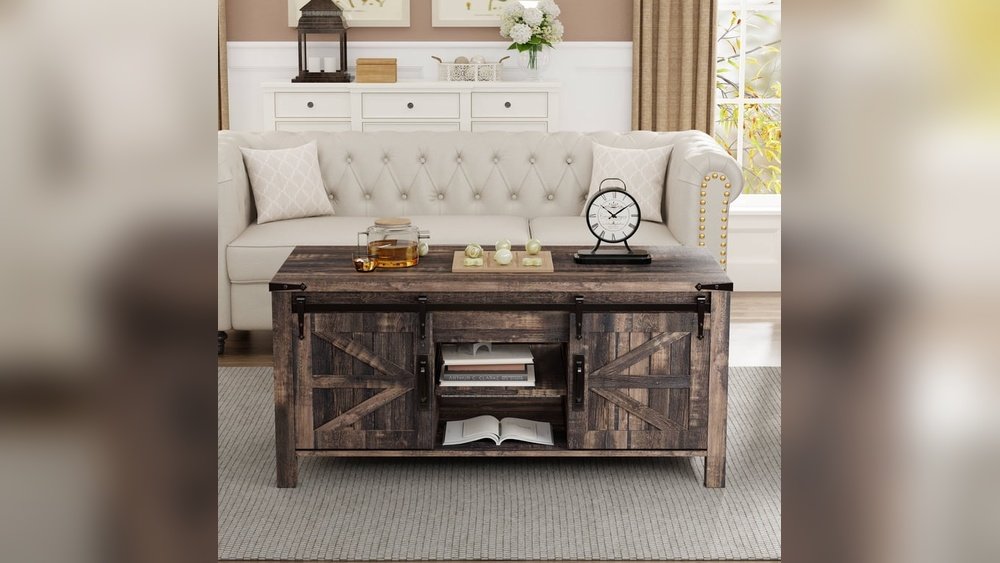
Rustic or farmhouse tables use distressed wood and simple shapes. They bring warmth and a relaxed feel.
Industrial
Industrial tables combine metal and wood, often with exposed hardware. They work in lofts or modern urban spaces.
Mid-century
Mid-century modern tables have slender legs, simple lines, and often use walnut or teak. They’re popular for their retro, yet timeless, look.
Eclectic
Mixing materials and shapes creates an eclectic vibe. This works if you like a more personal, collected look.
Design Tip
Your coffee table doesn’t have to match your other furniture exactly. Contrast can make a space more interesting—a glass table with a leather sofa, or a rustic table with modern chairs.
Functionality And Versatility
A coffee table is no longer just a table. Many models offer extra features for modern living.
Multi-purpose Tables
Some coffee tables convert into desks, dining tables, or even beds. These are perfect for small apartments or rooms that double as offices.
Nesting Tables
Nesting tables are a set of two or more tables that fit under each other. Pull them out for parties, then tuck them away to save space.
Rolling Or Movable Tables
Tables on casters (wheels) are easy to move, making cleaning or rearranging a breeze. This feature is handy for flexible spaces or homes with kids.
Outdoor Use
If you want a table for a patio or sunroom, look for weatherproof materials like treated wood, metal, or resin.
Practical Example
A lift-top table can serve as a laptop station for remote work, while a set of nesting tables offers extra surfaces for guests during movie nights.
Safety Features
Safety is a big concern, especially in homes with children, elderly family members, or pets.
Rounded Edges
Tables with rounded edges or corners reduce the risk of bumps and injuries, especially for toddlers.
Stable Construction
A wobbly table can be a hazard. Look for sturdy legs and a solid base. Avoid tables that tip easily if leaned on.
Tempered Glass
If you choose glass, make sure it’s tempered. It’s much safer than regular glass because it shatters into small, less dangerous pieces.
Non-toxic Finishes
If you’re sensitive to chemicals or have pets that chew, look for tables with non-toxic paint or sealant.
Non-obvious Insight
Check the weight of your table. Heavy tables are harder to tip but can hurt if they fall or get pushed. Lighter tables are easier to move but may not stay put.
Color And Finish
Color affects how your coffee table fits with your décor. The right color can make your room feel bigger, brighter, or more relaxing.
Light Vs. Dark
Light-colored tables (like white, light wood, or glass) make a room feel open and airy. Dark tables add drama and are less likely to show stains.
Natural Finishes
Natural wood shows off the grain and adds warmth. Stained or painted finishes give you more options but can chip over time.
Matching And Contrasting
Matching your table to other furniture creates harmony. Contrasting the color or finish can make the table stand out as a focal point.
Cleaning And Maintenance
Glossy finishes show fingerprints and dust, while matte finishes hide them but can scratch more easily.
Pro Tip
If you have a busy household, choose a mid-tone finish. It hides both dust and scratches better than very light or dark colors.
Weight And Stability
A table’s weight affects its stability and how easy it is to move.
Heavy Tables
Solid wood, stone, and metal tables are heavier and less likely to tip. This is good for families but harder to move for cleaning.
Lightweight Tables
Plastic, wicker, or some metal tables are lightweight and easy to shift. However, they may slide or tip if bumped.
Stability Features
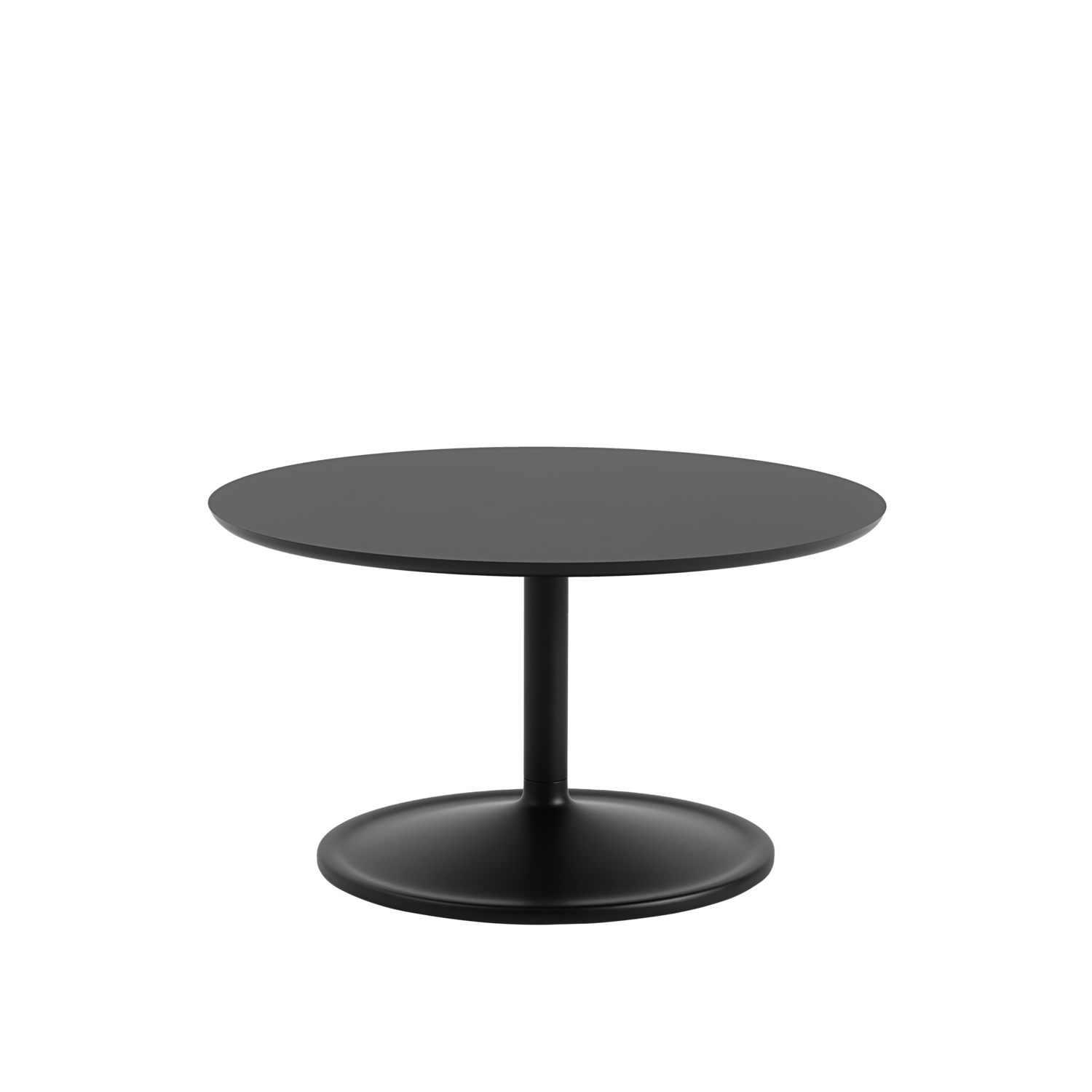
Look for wide legs, crossbars, or a sturdy frame to prevent wobbling. If you have children or pets, avoid tables with a single pedestal base.
Example
A heavy marble table may stay put even when dogs play nearby, but a glass-and-metal table might need rubber feet to keep from sliding.
Price And Value
Coffee tables range from $50 to thousands of dollars. The price depends on size, material, brand, and features.
Budget Options
You can find simple tables for under $100, but they may use cheaper materials like particleboard or thin glass.
Mid-range
Between $150 and $500, you’ll find solid wood, tempered glass, and stylish designs that balance quality and price.
High-end
Designer or custom tables can cost over $1,000, especially if made from rare wood or stone.
Value Tips
- Pay for quality materials if you want the table to last.
- Don’t overpay for trendy features you don’t need.
- Check for warranties or return policies.
Non-obvious Insight
Sometimes a higher price means better resale value, especially for well-known brands or classic styles.
Ease Of Assembly And Maintenance
Not all coffee tables are ready to use out of the box. Assembly and care are often overlooked but important.
Assembly
Flat-pack tables are common and can save money on shipping, but may require tools and patience to build. Some high-end tables arrive fully assembled.
Cleaning
Wood needs dusting and sometimes oiling. Glass needs frequent cleaning but is easy to wipe. Metal may require special cleaners to prevent tarnish.
Durability
Check for hardware and joints that can be tightened. Loose screws or weak glue can shorten the life of your table.
Practical Example
Families with kids may want a table that’s easy to wipe down and doesn’t require special care.
Environmental And Health Considerations
More buyers today care about eco-friendly and health-conscious choices.
Sustainable Materials
Look for tables made from reclaimed wood, bamboo, or recycled metal. These options reduce environmental impact.
Low-voc Finishes
Volatile Organic Compounds (VOCs) in paints and finishes can affect indoor air quality. Low-VOC tables are safer, especially for children and pets.
Certifications
Some brands carry certifications like FSC (Forest Stewardship Council) for wood or Greenguard for low emissions.
Why This Matters
Better materials and finishes are healthier for your family and the planet. They may cost more but often last longer.
Comparing Popular Coffee Table Materials
To help you see the differences, here’s a quick comparison of common materials:
| Material | Durability | Maintenance | Best For |
|---|---|---|---|
| Solid Wood | High | Medium | Classic, family spaces |
| Glass | Medium | High (shows marks) | Modern, light-filled rooms |
| Metal | Very High | Low | Industrial, heavy use |
| Stone | Very High | Medium (needs sealing) | Luxury, statement pieces |
| Plastic/Wicker | Low | Low | Outdoor, casual use |
Matching Your Coffee Table To Room Size
Choosing the right size and shape depends on your room. Here’s a simple guide:
| Room Size | Recommended Table Shape | Suggested Features |
|---|---|---|
| Small | Round, Oval, Small Rectangle | Lift-top, storage, glass |
| Medium | Rectangle, Square | Shelves, drawers |
| Large | Square, Large Rectangle | Statement piece, heavy materials |
Common Buyer Mistakes
Even smart shoppers make mistakes. Here are errors to avoid:
- Not measuring the space: Guessing can lead to buying a table that doesn’t fit.
- Ignoring material needs: Choosing glass for a kid’s room or soft wood for heavy use.
- Overlooking storage: Regretting a lack of shelves or drawers later.
- Matching too much: Buying the same finish or style as other furniture makes a room feel flat.
- Choosing trend over function: Cool designs can be impractical or uncomfortable.
How To Test A Coffee Table Before Buying
If you can see the table in-store, try these checks:
- Sit on your sofa and reach for the table to test height and distance.
- Press on the corners to check for wobble.
- Open and close drawers or lift the top if possible.
- Slide your hand over the surface for sharp edges.
- Check the weight by nudging it gently.
For online shopping, read dimensions carefully, study reviews, and look for real-life photos from buyers.

Real-life Examples
- Family with kids: Pick a solid wood or metal table with rounded corners, a shelf for toys, and a finish that hides fingerprints.
- Small apartment: Choose a lift-top, nesting, or glass table to save space and add flexibility.
- Modern minimalist: Go for a sleek glass or metal table with clean lines and little decoration.
- Entertainer: A large square table with multiple levels or nesting pieces offers space for snacks and drinks.
Additional Features That Add Value
Some tables come with extra perks:
- USB ports or outlets for charging devices.
- Built-in lighting for ambiance.
- Adjustable height for different uses.
- Outdoor-rated finishes for sunrooms or patios.
These features can make your table more useful, but only if you need them.
Where To Shop For Coffee Tables
You can buy coffee tables from furniture stores, online retailers, or even secondhand shops. Online shopping gives more choices, but seeing a table in person helps you check quality and comfort. Some well-known online stores offer free returns or 3D visual tools.
For more inspiration and guides, the Architectural Digest website offers expert advice on choosing the right coffee table for every style.
Frequently Asked Questions
What Is The Ideal Height For A Coffee Table?
The best coffee table height is level with or slightly lower than your sofa seat—about 16 to 18 inches for most sofas. This makes it comfortable to reach items while sitting. For higher sofas, go up to 21 inches. Always measure before buying.
Should A Coffee Table Match The Sofa?
A coffee table does not need to match your sofa exactly. It should complement the overall style and color of your room. Sometimes, a contrasting table adds more interest than a matching one.
What Is The Best Material For A Coffee Table In A Home With Kids?
Solid wood or metal is best for homes with kids. Avoid glass (which can break) and soft woods (which scratch easily). Look for tables with rounded edges and sturdy legs for extra safety.
How Much Space Should There Be Around A Coffee Table?
Leave at least 16 to 18 inches between your coffee table and the sofa. This gives enough room to walk and sit comfortably. Make sure there’s space on all sides, especially if you have other seating nearby.
How Do I Clean And Maintain My Coffee Table?
Use a soft cloth for dusting wood, and a damp cloth for glass or metal. Avoid harsh chemicals. For stone, use a special cleaner and seal it once a year. Always follow the care instructions from the manufacturer for best results.
A coffee table is a small piece with a big impact. By focusing on the features that matter—size, shape, material, storage, and style—you’ll find one that fits your space and your life. With the right table, your living room becomes more beautiful, comfortable, and functional.
Take your time, measure carefully, and choose a table that you’ll enjoy for years.