Owning a firearm comes with a huge responsibility. One of the most important parts of that responsibility is safe storage — making sure guns stay locked away, out of reach, and protected from theft, accidents, and damage.
A good gun safe isn’t just a box with a lock. It’s a long-term safety tool that protects people, property, and peace of mind.
If you’ve ever wondered, “Which gun safe should I get?” — this guide walks you through what truly matters before you decide.
Why a Gun Safe Matters
A gun safe helps you:
- Prevent unauthorized access (especially kids and visitors)
- Reduce the risk of accidents
- Protect firearms from theft
- Shield guns from moisture, rust, and fire damage
- Follow local storage rules (which can exist in some places)
A gun safe isn’t optional — it’s part of responsible ownership.
Step 1: Decide What You Need to Store
Before looking at brands or features, ask:
- How many firearms will be stored?
- Will you store ammo separately?
- Do you also want to store documents, jewelry, or valuables?
- Will your collection grow in the future?
Tip: Most people wish they bought a slightly bigger safe later — so consider choosing one a size larger than what you currently need.
Common sizes
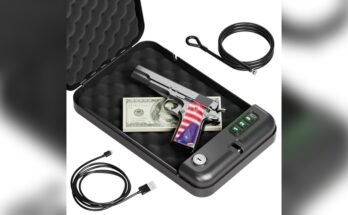
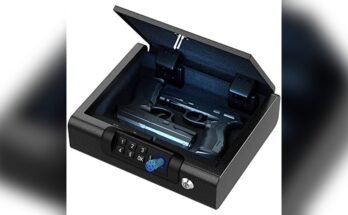
- Handgun safes: Small, usually for bedside or closets
- Mid-size safes: For a few firearms and accessories
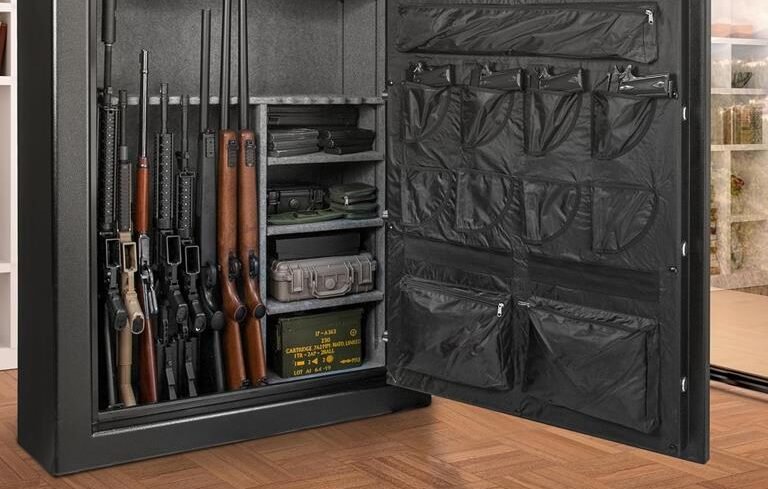
- Full-size safes: Tall, heavy, designed for larger collections
Step 2: Choose the Right Lock Type
Locks matter — a lot. Different safes use different systems.
1. Mechanical Dial Lock
- No batteries needed
- Very reliable
- Slower to open
2. Digital Keypad Lock
- Fast to access
- Easy to change codes
- Needs battery replacement
3. Biometric (Fingerprint) Lock
- Quick access
- Convenient
- Quality varies — cheap ones may fail
4. Key Lock
- Simple
- Risk of lost keys
- Not the most secure alone
Best advice: Choose quality over convenience. If you go biometric, make sure it also has backup entry (like a keypad).
Step 3: Look at Build Quality and Security
Not all safes are truly “safe.”
Check for:
🔒 Steel Thickness
Thicker steel = harder to break into.
A helpful rule:
- 14–16 gauge = basic protection
- 10–12 gauge = stronger and preferred
- Lower gauge number = thicker steel
🔧 Door and Bolt System
Look for:
- Multiple locking bolts
- Solid steel door (not thin sheet metal)
- Reinforced frame
🏷️ Certifications (When Available)
Some safes have independent testing labels such as:
- Burglary resistance ratings
- Fire ratings
- Drop tests
These tests show the safe has been professionally challenged — not just advertised.
Step 4: Consider Fire Protection
House fires happen more often than people think. Fire-rated safes protect contents longer.
Look for:
- Fire rating in minutes (30, 60, 90+ minutes)
- Temperature rating (often up to 1200–1700°F / 650–925°C)
- Fire-resistant insulation
Higher minutes = more protection, but also higher cost.
Step 5: Protect Against Moisture
Moisture causes rust — and rust damages firearms.
Helpful add-ons:
- Dehumidifier rod
- Silica gel packs
- Interior ventilation options
Keeping the inside dry is just as important as keeping it locked.
Step 6: Decide Where the Safe Will Go
Placement affects security.
Good locations:
- Hidden closet corner
- Basement (with moisture control)
- Reinforced bedroom corner
Avoid:
- Garages (easier break-ins, more moisture)
- Open, visible areas
- Places where it can easily be rolled out
Anchor the safe to the floor whenever possible. A heavy safe can still be moved if it’s not bolted down.
Step 7: Convenience vs. Security (Finding the Balance)
Think about your priorities:
| If you want… | Focus on… |
|---|---|
| Maximum theft protection | Thick steel, heavy safe, strong bolts |
| Fast access | Digital keypad or biometric (high quality) |
| Fire protection | Higher fire rating |
| Budget option | Smaller, heavier steel handgun safe |
| Long-term investment | Larger, fire-rated safe with expansion room |
The best safe balances security, accessibility, and durability.
Extra Safety Tips
- Store ammo separately if possible
- Keep combinations private
- Regularly check batteries if using digital/biometric locks
- Teach family that the safe is not a toy
- Follow local storage laws and best practices
A safe is only effective when used correctly.
Final Thoughts: Choose Safety First
Choosing a gun safe for home is really about protecting people first — and property second.
When deciding:
- Think about what you need to store
- Choose strong materials and reliable locks
- Consider fire and moisture protection
- Anchor it securely
- Plan for future storage needs
A good gun safe is an investment in responsibility, security, and peace of mind.