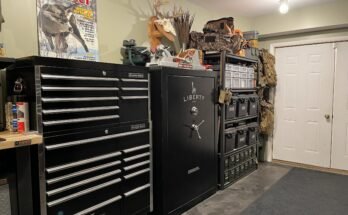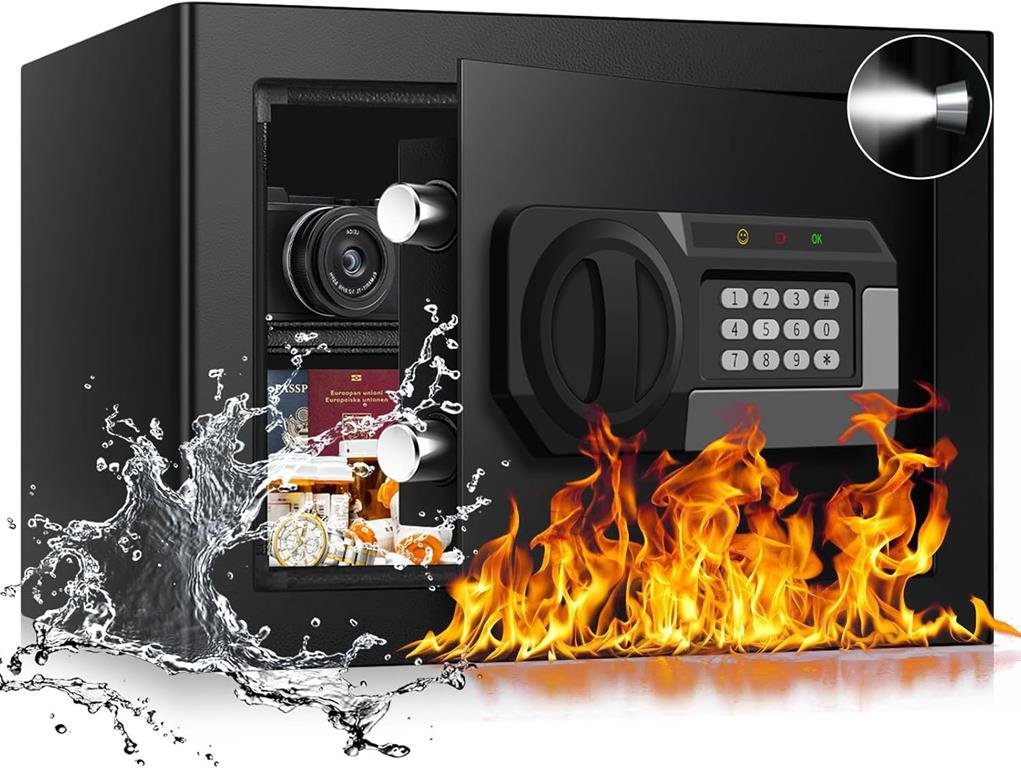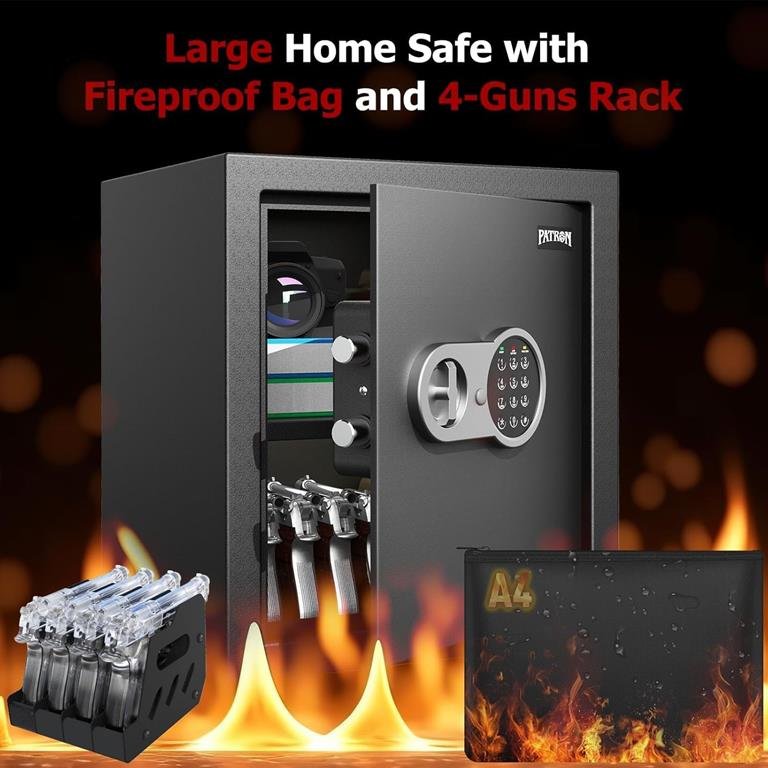
Finding secure storage for firearms in a small home, apartment, closet, or tight corner can feel tough. But with the right approach — focusing on size, access, security, and placement — you can safely store firearms even in limited space without compromising protection, responsibility, or peace of mind.
This guide takes you step-by-step through everything you need to consider.
1. Understand Your Space First
Before choosing a safe, measure the available area carefully.
Ask yourself:
- How high, wide, and deep is the space?
- Do doors, shelves, or furniture interfere?
- Will the safe need to fit through narrow hallways or staircases?
- Is the space climate-controlled (no excess moisture or heat)?
Recording the exact dimensions ensures you only look at safes that truly fit.
📏 Tip: When measuring, add a little buffer — 1–2 inches extra — so the safe doesn’t become impossible to position.
2. Decide What You’re Keeping
Small spaces are perfect for tight, efficient storage — but you still need a clear idea of what will go inside.
Common small-safe setups include:
- Handguns only
- A couple of rifles or carbines
- Handguns + a few accessories
- Ammo stored separately
Make a list of firearms and gear you plan to store to calculate what size safe you truly need.
3. Choose the Right Type of Gun Safe
Not all safes are created equal — some are ideal for small spaces.
Here are common options that work well in tight areas:
📦 Compact Handgun Safes
- Designed for a few handguns
- Fits bedside tables, closets, under counters
📏 Slim Vertical Safes
- Tall and narrow — perfect for closets or corners
- Can store 2–6 rifles (depending on capacity)
🚪 Wall-Mounted Safes
- Bolted into studs
- Great for very small spots
- Offers secure storage without floor footprint
📚 Drawer-Style Safes
- Hidden inside dressers or furniture
- Low profile, easy access
🔑 Biometric or Quick-Access Safes
- Fast access in emergencies
- Works well near bedside or in limited spaces
4. Prioritize Security — Even in a Small Safe
Small scale shouldn’t mean small protection.
Check these security features:
🔒 Lock Mechanism
- Digital keypads: easy access without big size
- Biometric locks: fast access with fingerprint (choose high quality)
- Mechanical dials: extremely reliable but larger
Whichever you choose, make sure the lock is from a reputable manufacturer.
🛡️ Steel Thickness
Even a small safe should be built with:
- 12–14 gauge steel or better for good protection
- Multiple locking bolts
- Solid interior door construction
Thin metal boxes give a false sense of security — especially if someone tries to break in.
5. Consider Fast Access
In small areas, you often want a balance between security and quick access — especially if the safe holds defensive firearms.
Good access features include:
- Biometric fingerprint
- Quick digital keypad
- Backup keys or code
But remember — convenience shouldn’t override durability.
6. Plan for Anchoring
Small safes can still be stolen if not secured. Even if the safe fits in a closet or corner, anchoring is still critical.
Anchoring options:
- Bolt to concrete floor
- Screw into wooden studs
- Lock into a closet wall
Anchoring keeps the safe in place, even if someone tries to yank it out.
7. Fire & Moisture Protection
Space is small — but that doesn’t mean you should skip protection.
Fire Protection
Even basic fire resistance (30 minutes) gives extra safety for:
- Ammo
- Wood stocks
- Electronics
Moisture Control
Small spaces can trap humidity. To prevent rust and mold:
✔ Dehumidifier rods
✔ Silica gel packs
✔ Small interior hygrometer
Keeping humidity around 40–50% prolongs firearm life — even more important when space is limited and airflow is poor.
8. Optimize Interior Layout
Small safes need smart organization.
Good interior features include:
- Adjustable shelving
- Padded rifle rests
- Interior lighting
- Door pockets for accessories
A cluttered safe increases the risk of scratches or damage — efficient layouts protect your investment.
9. Choose the Right Location Within the Small Space
Even in a small home, placement matters.
Best spots:
✔ Closet floor or upper shelf
✔ Under stairs nook
✔ Inside built-in furniture
✔ Between studs (for wall safes)
Less ideal spots:
✘ Against exterior walls (temperature swings)
✘ Near bathroom or kitchen (humidity)
✘ Direct sunlight zones
Good placement keeps the safe hidden, secure, and climate-stable.
10. Accessibility vs. Concealment
Small spaces often double as functional areas — you may want both:
Easy to reach: good for defensive firearms
Well hidden: good for accidental access prevention
Find a balance that matches your safety and practical needs.
11. Budget & Priorities
Small safes range widely in price — from budget boxes to premium units.
Focus your budget on:
- Security first
- Reliable locking
- Moisture control
- Size that truly fits
Avoid cheap safes that look nice but offer little protection — they compromise safety.
12. Legal & Safety Considerations
Even small safes should adhere to best practices:
- Store firearms unloaded
- Store ammo separately if possible
- Keep combinations confidential
- Teach household members proper safety
Safe storage is not just good practice — it’s responsible ownership.
Final Checklist
Before buying, check that your safe:
✔ Fits your space measurements
✔ Holds the firearms you plan to store
✔ Has a reliable lock system
✔ Offers good security and steel thickness
✔ Includes moisture/fire protection features
✔ Can be anchored securely
✔ Keeps access fast enough for your needs
Bottom Line
Choosing a gun safe for small spaces is all about smart sizing, intelligent placement, and uncompromised security. With thoughtful planning, you can fit secure firearm storage into tight areas without risking safety or access.
A well-chosen safe protects people first — and firearms second — whether your space is vast or compact.