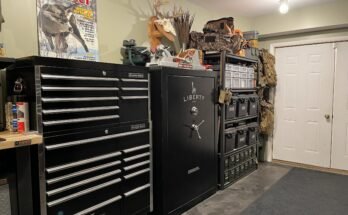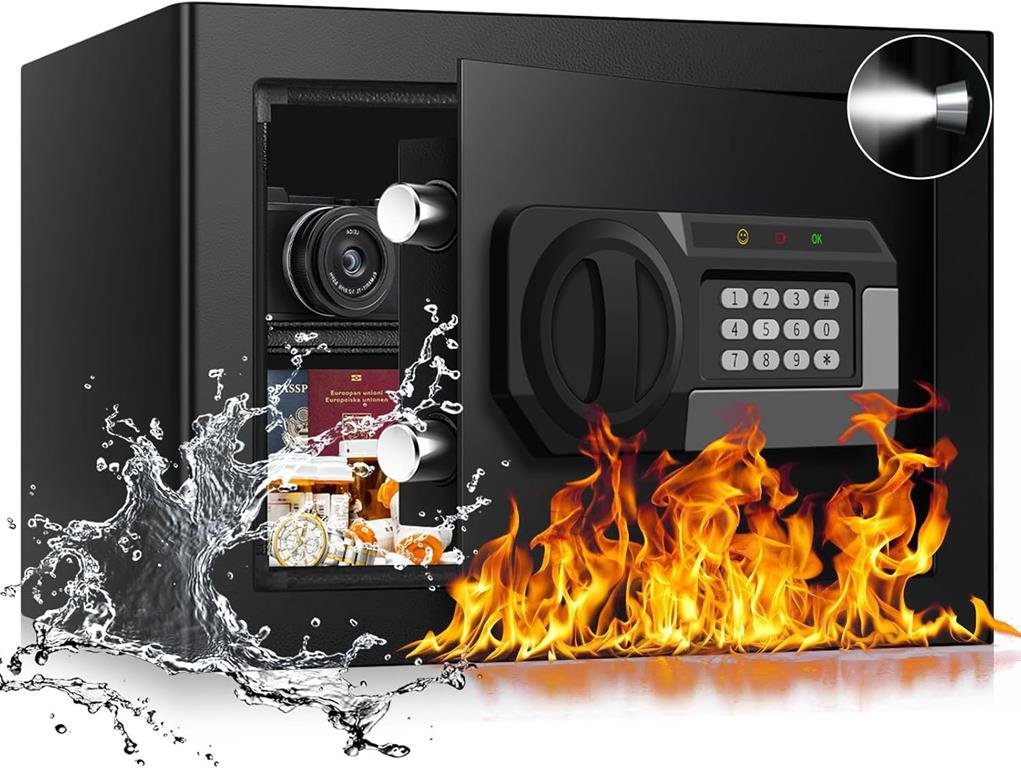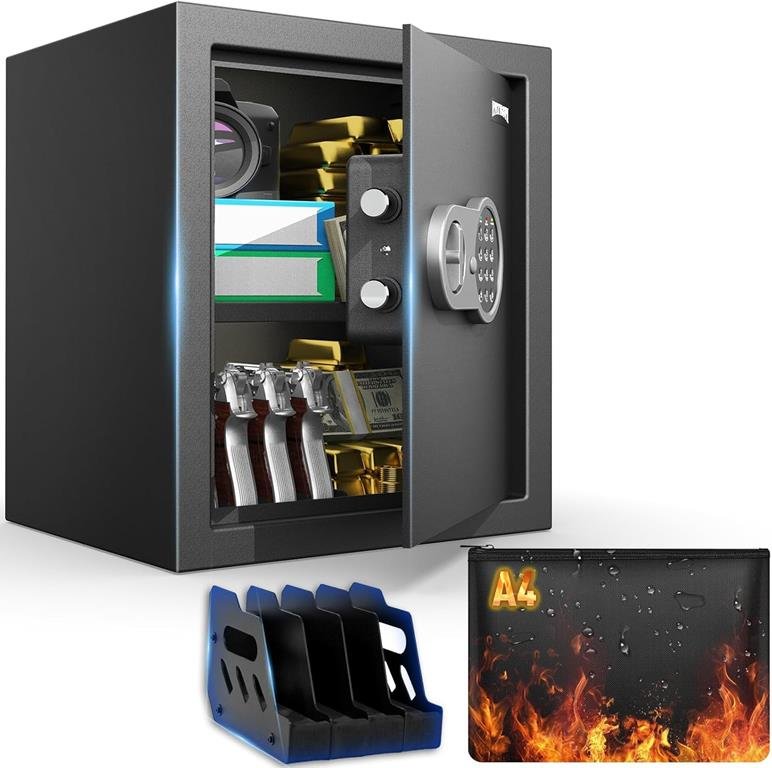
Owning more than one firearm means taking responsible storage seriously. Whether you have two rifles or a collection of handguns, shotguns, and accessories, choosing the right gun safe is essential for safety, protection, and peace of mind.
This guide will walk you through every major decision you should make — from sizing and locking systems to moisture control and placement.
1. Start With Your Current & Future Collection
Before shopping, make a list of:
- How many firearms you have now
- Types of firearms (long guns versus handguns)
- Whether you’ll add more in the future
- Accessories (scopes, ammo, magazines, optics)
Avoid choosing only for your current collection — plan for growth.
📌 Pro Tip: Manufacturers’ “capacity” numbers are optimistic. A safe that says “24 guns” usually fits closer to 10–16 when you count scopes and accessories.
2. Choose the Right Size

Common Safe Sizes
| Safe Type | Typical Capacity | Best For |
|---|---|---|
| Handgun Safes | 2–6 firearms | Small collections |
| Compact Rifles Safe | 4–12 firearms | Small rifle/shotgun + handguns |
| Standard Gun Safes | 10–30 firearms | Medium collections |
| Large/Custom Safes | 30+ firearms | Big collections |
How to Size Correctly
Step 1: Count all firearms
Step 2: Add space for future purchases
Step 3: Leave room for accessories
A larger safe is almost always a better investment — it protects your current collection and prevents overcrowding.
3. Decide What You’re Storing
Different firearms and gear need different space:
✔ Long guns (rifles, shotguns) need vertical storage
✔ Handguns, optics, ammo need shelves, drawers, or racks
✔ Bulky scopes take additional space
✔ Long-term storage may need padded racks
Choosing a safe with adjustable shelving and flexible interior layouts ensures everything fits comfortably.
4. Lock Types: Choose Reliability
Your choice of lock affects convenience and security:
Mechanical Dial
- No batteries
- Very reliable
- Slower access
Digital Keypad
- Quicker access
- Easy code changes
- Needs battery changes
Biometric (Fingerprint)
- Fastest access
- Quality varies — choose reputable brands
- Always pair with backup entry option
Best for multiple firearms: a well-made digital or mechanical system — especially if quick access isn’t the top priority.
5. Steel Thickness & Security Features
Heavier, thicker steel resists prying and protects firearms better over time.
Here’s what to look for:
- 12 gauge or thicker for the body and door
- Multiple solid steel locking bolts
- Full-welded body (not riveted)
- Reinforced door frame
“Gun safes” made from thin sheet metal are easy to breach — especially when you’re storing valuable firearms.
6. Fire Protection Matters
Fire ratings measure how long the safe can protect contents at high temperatures.
When storing multiple firearms — especially with accessories that can melt or warp (like optics or wooden stocks) — aim for:
🔥 60 minutes or more fire resistance
🔥 Insulation that keeps internal temperatures under 350°F
Even if you don’t expect a fire, this protection adds another layer of insurance for your collection.
7. Moisture Control: Protecting Your Guns From Rust
Moisture is one of the biggest threats to firearms — especially in a crowded safe.
Essential Tools
- Dehumidifier rods
- Silica gel packs
- Hygrometer (to monitor humidity)
- Interior liners that resist condensation
Ideal humidity level: 40–50%
If your safe sits in a basement or garage, moisture control becomes even more important.
8. Interior Layout and Protection
Overcrowded safes can cause scratching and finish wear.
Great interior features include:
✔ Padded racks
✔ Adjustable shelves
✔ Vertical dividers
✔ Interior lighting (LED)
These help organize long guns on one side and handguns or accessories on shelves without compromising spacing.
9. Anchoring: Don’t Skip It
Even a large, heavy safe should be anchored securely:
🌟 Bolted to concrete or wood floor
🌟 Anchored to a wall stud (if possible)
Anchoring prevents theft and accidental tipping — especially when the safe holds a lot of weight.
10. Placement: Choose Wisely
Where you install the safe affects longevity and protection:
Best options
- Primary bedroom closet
- Interior wall
- Climate-controlled room
Less Ideal
- Garage (temperature swings)
- Shed or outdoor space
- Damp basement
Avoid places with high humidity and temperature changes — these damage firearms over time.
11. Accessories That Help
When storing multiple firearms, these add real value:
Interior Lighting
Helps you see items without fumbling in the dark.
Door Organizers
Great for storing handguns, mags, and tools.
Power Outlets
Useful if you want a professional dehumidifier or LED lighting inside.
12. Budget & Priorities
Here’s how to decide what to spend your budget on:
- Security first: build quality and locks
- Moisture control second
- Fire protection third
- Luxury touches last (lighting, drawers, premium finishes)
A low-cost safe with poor construction is not a safe — it’s a false sense of security.
13. Legal & Safety Considerations
Responsible firearm storage isn’t just good practice — many areas have legal requirements.
✔ Store firearms unloaded
✔ Store ammo separately
✔ Keep combinations secure
✔ Teach household members not to handle firearms
A gun safe protects people as much as it protects property.
14. Final Checklist Before You Buy
✅ Enough capacity for all firearms
✅ Quality lock system
✅ Thick steel and solid construction
✅ Fire resistance rating
✅ Moisture control plan
✅ Anchoring hardware
✅ Good interior layout
✅ Proper placement in your home
When all of these boxes are checked, you have a safe that truly supports multiple firearms — safely and responsibly — for years to come.
Final Thoughts
Choosing a gun safe for multiple firearms isn’t about picking the biggest or most expensive box. It’s about matching your storage to your needs — with room to grow — while protecting firearms from theft, damage, and the elements.
A well-selected safe is an investment in safety, responsibility, and peace of mind.