Storing firearms for months — or even years — requires more than just locking them away. Over time, moisture, temperature swings, dust, and poor construction can damage metal, wood, optics, and internal parts. A well-chosen gun safe helps prevent accidents, theft, and long-term damage.
Below is what truly matters when you want a safe that will protect firearms over the long run, not just overnight.
1. Start With the Purpose: “Long-Term” Means Extra Protection
Ask yourself a few questions first:
- Will the guns be stored for months or years?
- Will you rarely open the safe?
- Will the safe be placed somewhere humid, hot, or cold (like a basement or closet)?
- Do you also need room for accessories and future storage?
For long-term storage, you need a safe that focuses on:
✔ security
✔ moisture control
✔ stable temperature
✔ strong build quality
✔ fire protection
A cheap metal locker might work short-term — but long-term, it can rust from the inside and be easy to break into.
2. Choose the Right Size (Plan for the Future)
Most people regret buying a safe that is too small.
When choosing capacity:
- Count your current firearms
- Add space for cases, optics, and accessories
- Add space for 25–50% growth
Remember: the “gun count” advertised on safes is often unrealistic. If a safe says 24 guns, it may comfortably fit 10–14 once scopes and slings are involved.
For long-term storage, extra space improves airflow and reduces scratches.
3. Prioritize Steel Thickness and Construction
Over years, thin sheet metal bends, warps, and weakens.
Look at steel thickness:
- 14–16 gauge → basic security (entry-level)
- 12 gauge → solid for most homes
- 10 gauge or thicker → higher protection
Lower gauge number = thicker steel.
Also check:
- solid steel door (not just a thin skin over drywall)
- reinforced door frames
- welded — not riveted — body seams
- multiple locking bolts around the door
Thicker, heavier safes are harder to force open — and harder for someone to simply carry away.
4. Lock Type: Reliability Matters More Than Speed
For long-term storage, fast access isn’t the main priority — long-term reliability is.
Mechanical dial locks
- Extremely reliable
- No batteries
- Slower to open
Digital keypad locks
- Convenient and fast
- Requires battery changes
- Choose higher-quality units only
Biometric (fingerprint) locks
- Quick — but quality varies
- Can fail if cheap or rarely used
- Should always have backup access
For long-term storage, many people prefer mechanical or high-quality digital — not bargain biometrics.
5. Fire Protection: Long-Term Insurance
Long-term storage means preparing for rare but serious risks.
Look for:
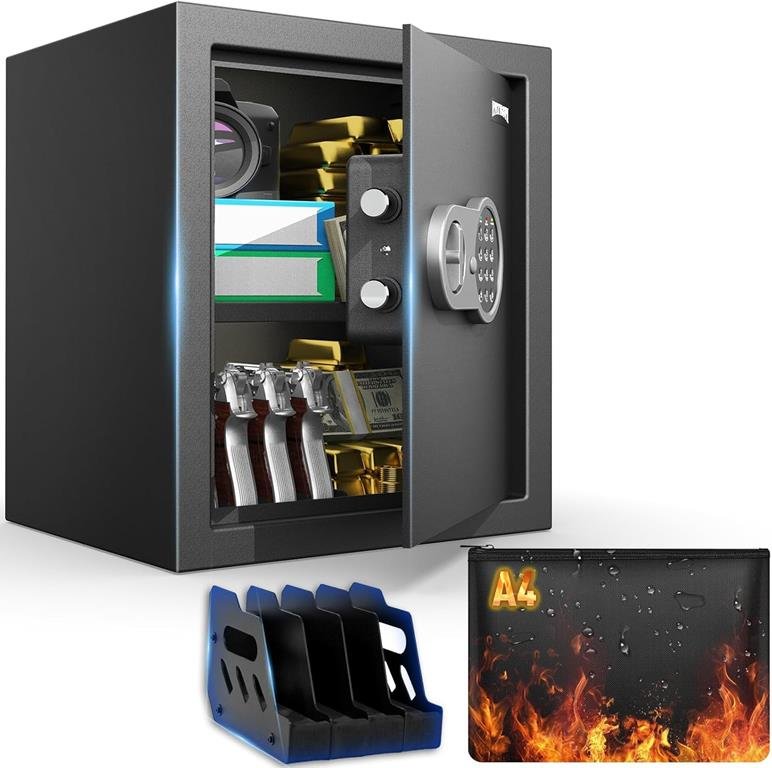
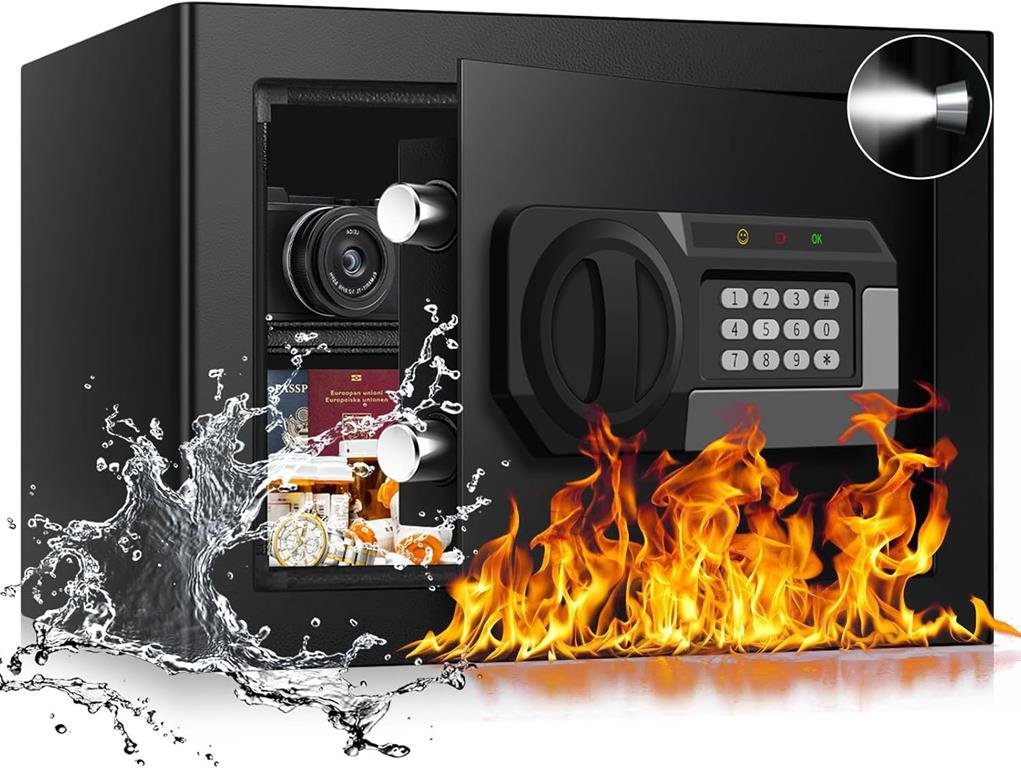
- Fire rating: at least 60 minutes is a good baseline
- Temperature resistance: commonly 1200–1700°F (650–925°C)
- Fire-resistant insulation
- Proper door seal that expands when heated
More minutes = more protection — especially for wood stocks and optics that can warp with heat.
6. Moisture Control: The Biggest Long-Term Threat
If you only remember one section, make it this one.
Moisture causes:
- rust
- pitting
- warped wood
- mold/mildew
- ruined finishes
Choose a safe that supports moisture-control tools and plan to use them.
Good options include:
✔ dehumidifier rod (warms air slightly to prevent condensation)
✔ silica gel packs (absorb moisture)
✔ hygrometer (small humidity gauge inside the safe)
Aim for:
40–50% relative humidity
Too dry can crack wood — too wet causes rust.
7. Interior Layout: Protecting Finish and Structure
Over time, guns can scratch each other if packed tightly.
Look for interiors with:
- soft, carpeted or felt lining
- adjustable shelves
- rifle rests that actually hold guns securely
- padded spaces for optics
Avoid safes that force firearms to lean awkwardly — pressure over years can damage stocks.
8. Anchoring the Safe: Long-Term Stability
Even heavy safes can be tipped or moved if they aren’t anchored.
Choose a safe with:
- pre-drilled anchor holes
- solid mounting hardware
- capability to bolt to floor or wall studs
Anchoring:
✔ prevents theft
✔ prevents tipping accidents
✔ stabilizes the safe over time
9. Ventilation vs. Sealing
For long-term storage, the goal isn’t airflow — it’s controlled environment.
A good safe:
- seals well when closed
- uses moisture control inside
- avoids unnecessary gaps
Do not drill holes on your own — it weakens security and allows moisture in.
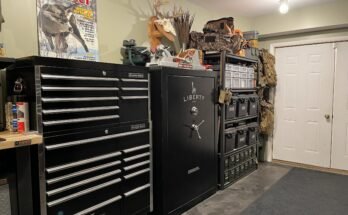
10. Where You Place the Safe Matters
Location plays a huge role in long-term protection.
Better locations:
- inside bedroom closets
- interior walls
- climate-controlled rooms
Risky locations:
- garages
- sheds
- damp basements
- attics with extreme heat
If a basement is your only option, moisture control is absolutely essential.
11. Extra Features Worth Considering
For long-term storage, these features help:
- interior LED lighting (low heat)
- door organizers
- interior power outlet (for dehumidifiers)
- scratch-resistant racks
- tamper alerts (on higher-end models)
Not all are necessary — but they add ease and protection.
12. Safety and Responsibility Reminders
A gun safe is about preventing accidents first.
Best practices:
- Keep combinations private
- Teach children to never touch firearms
- Store ammunition separately if possible
- Check the inside periodically for moisture
- Follow local storage rules and regulations
And never try to hide unsafe behavior — storage should always prioritize safety.
Final Thoughts: Long-Term Protection Means Planning Ahead
When choosing a gun safe for long-term storage, focus on:
- Strong steel and solid construction
- Fire rating appropriate for your home
- Reliable locking system
- Moisture control tools
- Safe placement and anchoring
- Interior that prevents scratching and pressure damage
A good safe isn’t just storage — it’s a commitment to safety and responsibility for years to come.