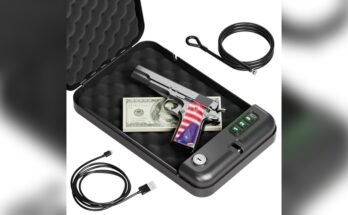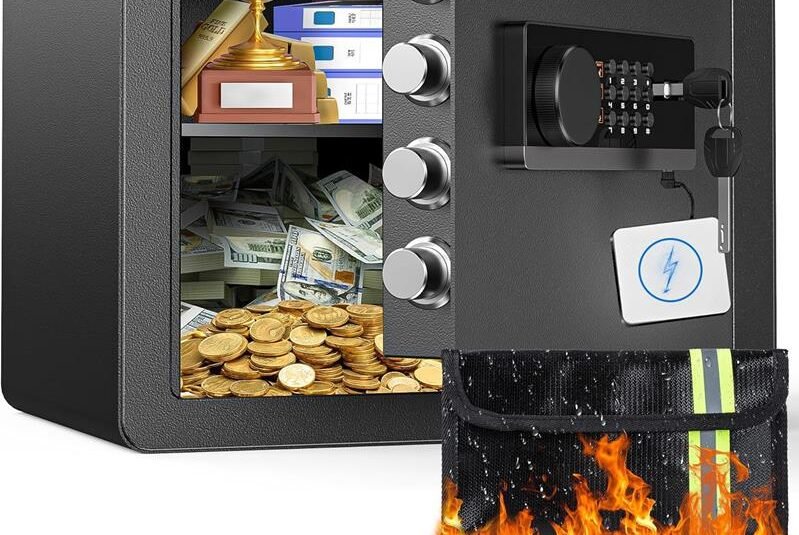
Fire protection is one of the most important features to consider when buying a gun safe — especially if your priority is long-term preservation as well as security. Heat from a fire can warp wood stocks, melt polymer components, and destroy optics and ammunition. A gun safe built with fire protection in mind gives you extra time for your firearms and valuables to survive a house fire or garage blaze.
In this guide, we’ll break down everything you need to know to choose a gun safe that truly protects against fire.
Why Fire Protection Matters
A typical residential fire can reach 1,000–1,500°F (540–815°C) within minutes. At these temperatures:
- Wood stocks can crack or warp
- Metal parts can lose temper
- Polymer components can melt or deform
- Ammo can cook off or degrade
A quality fire-protected safe doesn’t make firearms fireproof — no such safe exists — but it significantly delays heat penetration, giving you crucial minutes or even an hour or more of protection. This could mean the difference between damaged and destroyed firearms.
Understand Fire Ratings
Fire ratings tell you how long a safe can protect its interior from heat. They are usually expressed as:
🔥 Fire Duration (minutes)
This indicates how many minutes the safe can withstand a fire exposure:
- 30 minutes — basic protection
- 60 minutes — solid everyday protection
- 90–120+ minutes — advanced protection
Always choose the highest practical fire rating your budget allows.
🌡️ Internal Temperature
Some safes also specify maximum interior temperatures (often ≤350°F or ≤177°C). This matters because:
- Steel doesn’t melt until about 2,500°F
- But wood, polymers, and ammunition degrade at much lower temperatures
A lower internal temperature rating means better protection for delicate components.
Fireboard Insulation: The Key Inside
Fire-resistant safes use thick insulation called fireboard between the inner and outer steel walls. This material slows heat transfer.
Good fireboard qualities:
- High density
- Thick layers (often measured in inches)
- High thermal resistance
When comparing safes, ask about:
- The thickness of the fireboard
- Whether it is layered or composite
- How it is installed around doors and edges
A safe with superior fireboard insulation will heat up much slower on the inside.
Door Seals: Expansion Matters
A fire safe’s door seal is not just a gasket — many safes use intumescent door seals that expand when heated. As they expand, they:
- Seal gaps around the door
- Limit smoke and heat entry
- Improve overall fire performance
Make sure the safe you choose uses expanding fire door seals rather than simple rubber gaskets.
Construction Quality Beyond Fire Ratings
Fire protection doesn’t stand alone — it works together with overall safe construction. Consider:
🛡️ Steel Thickness
Thicker steel helps hold insulation in place and resists warping.
- 12 gauge or better is preferred
- Avoid thin sheet metal safes, even if fire-rated
🔒 Lock Type
Even the best fire insulation can fail if the lock melts or jams. Choose:
- Reliable mechanical locks
- High-quality electronic keypads with backup keys
- Biometric systems only if they have failover entry
Locks should maintain integrity at high heat, so quality matters.
Moisture & Fire: Dual Challenges
Fire protection doesn’t solve moisture problems. Many fire-rated safes have sealed interiors that are more prone to trapping humidity — which can cause rust.
For fire-protected safes, plan for:
✔ Dehumidifier rods
✔ Silica gel packs
✔ Regular humidity monitoring (hygrometer)
Moisture control ensures your firearms stay rust-free even as you protect against fire.
Size & Capacity for Protected Storage
Fire protections add weight and bulk. A fire-rated safe will usually be heavier than a non-rated one of the same size.
When sizing your safe:
- Count your firearms and accessories
- Leave room for growth
- Add room for other valuables (documents, electronics, jewelry)
Remember — a safe that’s too small tends to get overloaded, which reduces airflow and may speed up heat transfer.
Placement and Fire Environment
Where you position the safe can affect how well it survives a fire:
✔ Near interior walls (better insulation)
✔ Away from windows or garage doors
✔ On stable, non-combustible flooring
Avoid:
✘ Near flammable liquids
✘ Against exterior walls with poor insulation
✘ Direct sunlight (causes heat buildup)
Proper placement reduces secondary risks.
Fire Protection vs. Other Priorities
A fire-rated safe often costs more than a basic model. Here’s how to balance priorities:
If fire protection is highest:
- Choose 60–120+ minute fire rating
- Don’t compromise on insulation and seals
If security is highest:
- Focus on steel gauge and bolt systems
- Pair with fire protection if budget allows
If humidity is a concern:
- Invest in dehumidifiers and ventilation
- Place safe away from damp areas
A well-balanced safe has good fire protection and other key safety features.
Door Lock Performance During Fire
Even if a safe resists heat, a lock that fails can leave the door stuck or compromised.
Best options for fire resilience:
- Mechanical dial locks (no electronics)
- Heavy-duty electronic keypads with heat-tolerant components
- Backup key entry systems
Avoid cheap keypad electronics; they can fail under high heat and leave you locked out permanently.
Anchoring and Stability
Fire-rated safes tend to be heavy — which is good for security — but they must also be anchored:
- Bolt to concrete or solid flooring
- Use manufacturer-specified anchor kits
- Avoid placing on carpet or wood floors without stabilization
Anchoring helps the safe stay in place if firefighters move equipment or during intense heat.
Fire Protection + Insurance Peace of Mind
Many homeowners insurance policies give discounts for professionally fire-rated safes. Even if they don’t, having a fire-protected safe shows responsible ownership and protection of assets.
Always check with your insurer if you want credits or discounts.
Final Checklist — Fire Protection Features
Before you buy a fire-rated safe, make sure it has:
✅ A certified fire rating (≥60 minutes preferred)
✅ Low interior temperature rating (≤350°F when available)
✅ Thick fireboard insulation
✅ Intumescent expanding door seals
✅ Reliable lock system with fire resilience
✅ Moisture control plan (dehumidifier, silica gel)
✅ Proper size and room for future needs
Conclusion
Choosing a gun safe for fire protection is an essential part of responsible firearm ownership. While no safe is fully fireproof, a properly selected fire-rated model will significantly delay heat entry, protect finishes and components, and give your collection the best chance of survival in a blaze.
Focus on solid fire ratings, reliable construction, moisture control strategies, and proper placement for long-term confidence and protection.