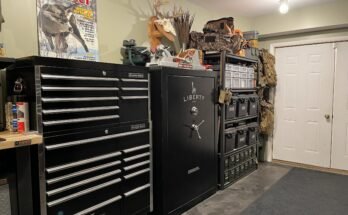
Owning a firearm carries a lot of responsibility — and one of the most important parts of that responsibility is safe storage. A gun safe protects people, prevents accidents, secures firearms from theft, and helps you follow best practices (and, in many places, the law).
If you’re new to firearms or this is your first time buying a safe, this guide will walk you through everything you need to know — step by step — without confusing jargon.
1. Understand Why a Gun Safe Matters
Before choosing a safe, it helps to know what it actually does:
A gun safe:
- Prevents unauthorized access (especially kids and visitors)
- Reduces the risk of accidents
- Keeps firearms secure from burglars
- Protects guns from moisture, rust, and fire damage
- Helps meet legal storage requirements
In short — a safe isn’t just a box with a lock. It’s peace of mind.
2. Start With What You’re Storing
Think about what you have now — and what you plan to add later.
Ask yourself:
- Do you have handguns, rifles, or both?
- Do you plan to buy more firearms in the future?
- Do you want extra space for ammo, optics, or accessories?
Knowing this helps you choose the right size.
Quick guideline
| What You Have | Safe Type |
|---|---|
| 1–3 handguns | Compact handgun safe |
| A few long guns + handguns | Small/medium vertical safe |
| Bigger collection | Standard full-size gun safe |
| Growing collection | Choose roomier interior |
📌 Pro tip: It’s better to choose a slightly larger safe now — so you aren’t limited later.
3. Steel Thickness: The Heart of Security
All safes are not equally secure.
- Thicker steel = harder to break open
- Look for at least 12–14 gauge steel
- Lower gauge numbers mean thicker steel
Also check:
- A solid steel door
- Multiple locking bolts
- Reinforced door frame
Avoid safes made from thin sheet metal — they’re easy to break into and provide a false sense of security.
4. Lock Types: What Beginners Should Know
A gun safe’s lock is one of its most important features. Here are the main types:
🔐 Mechanical Dial Lock
- Very reliable
- No batteries
- Takes longer to open
Good for: People who store guns long term and don’t need quick access
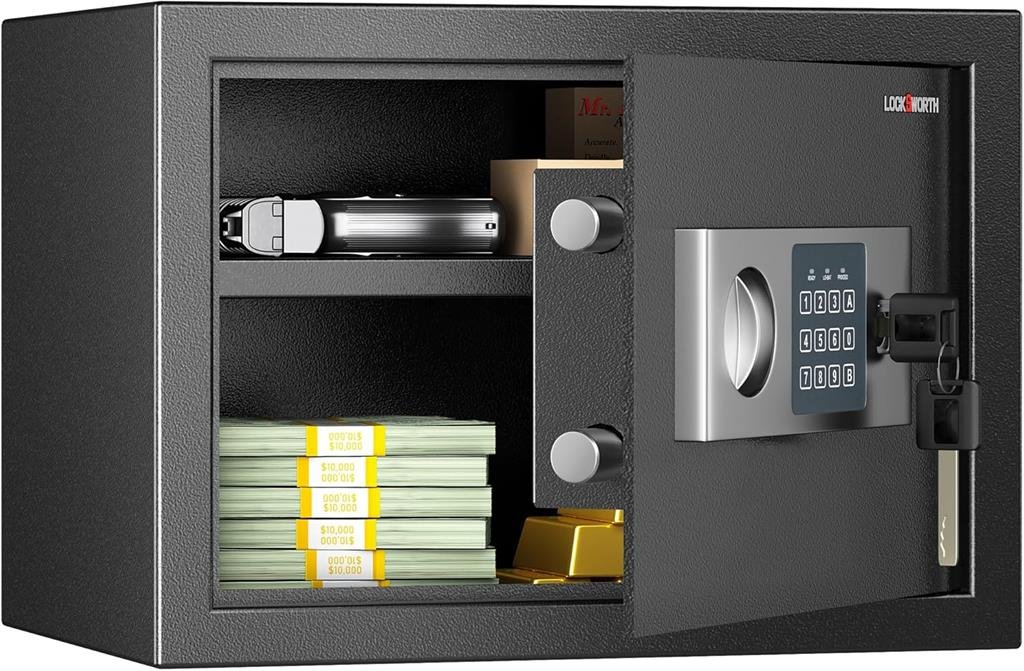
🔢 Digital Keypad Lock
- Easy code entry
- Quick access
- Needs batteries
Good for: Most beginners — convenient and secure
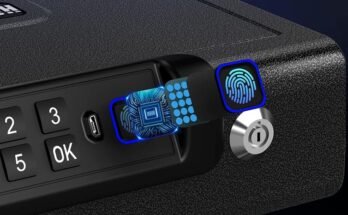
🧬 Biometric (Fingerprint) Lock
- Fastest access
- No codes to remember
- Works well in emergencies
- Some cheap ones can fail if not high quality
Good for: Quick access if quality is high (always choose well-reviewed models)
Best advice for beginners: A digital keypad or quality biometric lock with a backup option strikes the best balance of security and convenience.
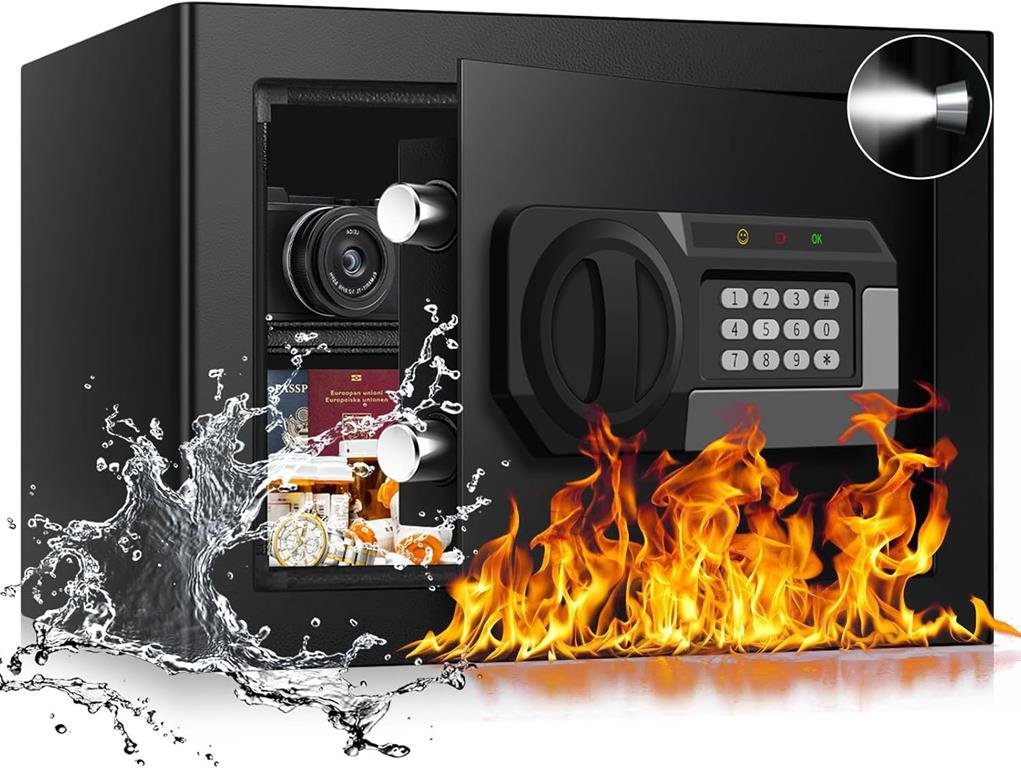
5. Fire Protection: Important, Not Optional
Fire happens. Good safes resist it.
Look for:
- Fire rating in minutes
- Internal temperature rating
- Fire-resistant insulation
A safe with 30–60+ minutes of fire protection gives extra insurance for your guns and gear.
6. Moisture Control: Prevent Rust & Damage
Moisture causes rust, especially in humid climates. Beginners often overlook this until it’s too late.
Use:
- Dehumidifier rods
- Silica gel packs
- A hygrometer to monitor humidity
Aim for 40–50% humidity inside the safe — not too dry, not too wet.
7. Interior Layout: Comfort & Organization
A safe should fit your firearms without squeezing or rubbing. Look for:
- Padded rifle rests
- Adjustable shelves
- Door organizers for handguns and accessories
- Interior lighting if possible
Good organization prevents scratches and makes it easy to access what you need.
8. Anchoring: Secure It to the Floor or Wall
Even a heavy safe can be tipped or stolen without proper anchoring.
Make sure your safe:
- Has pre-drilled holes
- Includes anchor hardware
- Can be bolted to concrete or wood floor
Anchoring increases security significantly.
9. Accessibility vs. Security
As a beginner, think about how you use your firearms:
- Do you need quick access (e.g., for self-defense)?
- Or is maximum security your top priority?
If quick access matters, a high-quality digital or biometric lock helps — but always paired with good protection and strong construction.
10. Placement: Where the Safe Will Live
Pick a spot that’s:
✔ Out of direct view
✔ Climate-stable (no extreme heat or humidity)
✔ Not too hard to reach in a hurry
✔ Long-term
Good spots include:
- Bedroom closets
- Interior walls
- Corner of a room
Avoid:
- Garage (moisture + temperature swings)
- Near bathrooms
- Attics (heat issues)
11. Budget & What to Prioritize
Beginners often want to save money — but some features should never be skimped on:
Spend your budget on:
- Security first (steel thickness + locking system)
- Reliable lock
- Moisture control
- Fire protection next
- Nice extras last (lighting, interior organizers)
A cheap, flimsy safe is not safe — it gives a false sense of security.
12. Responsible & Legal Storage
Safe storage isn’t just best practice — it’s often required by law and essential for safety.
✔ Keep guns unloaded
✔ Store ammo separately
✔ Protect combinations
✔ Teach household members about safety
If kids are in the home, consider locks and placement that add extra protection.
Quick Checklist for Beginners
Before you buy, make sure the safe:
✅ Fits your actual firearms
✅ Has quality steel thickness
✅ Uses a reliable lock
✅ Offers fire protection
✅ Can be anchored securely
✅ Includes moisture control
✅ Has a usable interior layout
Final Thoughts
Choosing a gun safe as a beginner might seem intimidating — but it doesn’t have to be.
Focus on:
- Safety first
- Security second
- Convenience third
A well-chosen safe protects people, property, and firearms — giving you confidence and peace of mind for years to come.