Pick a safe with real security, fire protection, the right size, and a solid lock.
If you want a simple, trusted guide on how to buy a gun safe, you’re in the right place. I have helped dozens of owners choose, install, and live with safes. This guide explains how to buy a gun safe with clear steps, real numbers, and lessons I learned in homes and shops. Read on to avoid common traps, save money, and protect what matters.

Why a gun safe matters for safety, law, and insurance
A gun safe does three jobs. It prevents theft, it keeps kids safe, and it can protect gear from fire. Many states now require secure storage. Some insurers offer better terms when you lock firearms.
When you ask how to buy a gun safe, start with the why. Your needs set the budget and the specs. Be honest about risk, space, and future plans.
Key reasons a real safe beats a lockbox:
- It slows thieves with better steel, hardplate, and bolts.
- It controls access for kids, guests, and contractors.
- It can reduce loss in fire and cut claim headaches.
Source: inkassafes.com
Size and capacity: buy bigger than you think
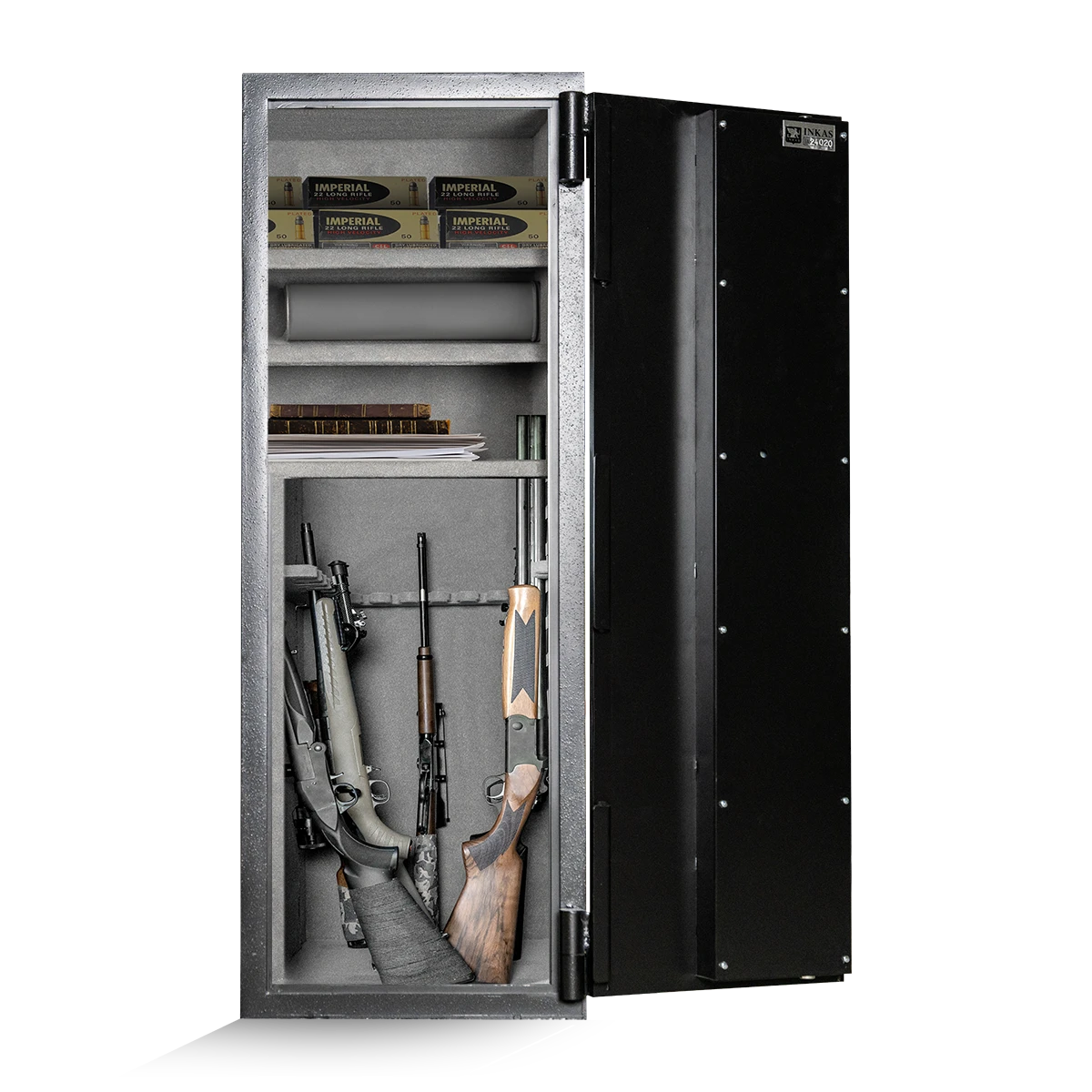
Capacity labels mislead. A “24-gun” safe rarely holds 24 scoped rifles. Plan for half to two thirds of the stated count. Optics, slings, and wide stocks reduce space.
Here is how to buy a gun safe that fits now and later:
- Make a list of all guns, optics, and valuables you want to store.
- Add space for two to three years of growth.
- Measure doors, halls, and stair turns before you buy.
Quick tips I share with clients:
- Choose depth first if you use ARs with optics.
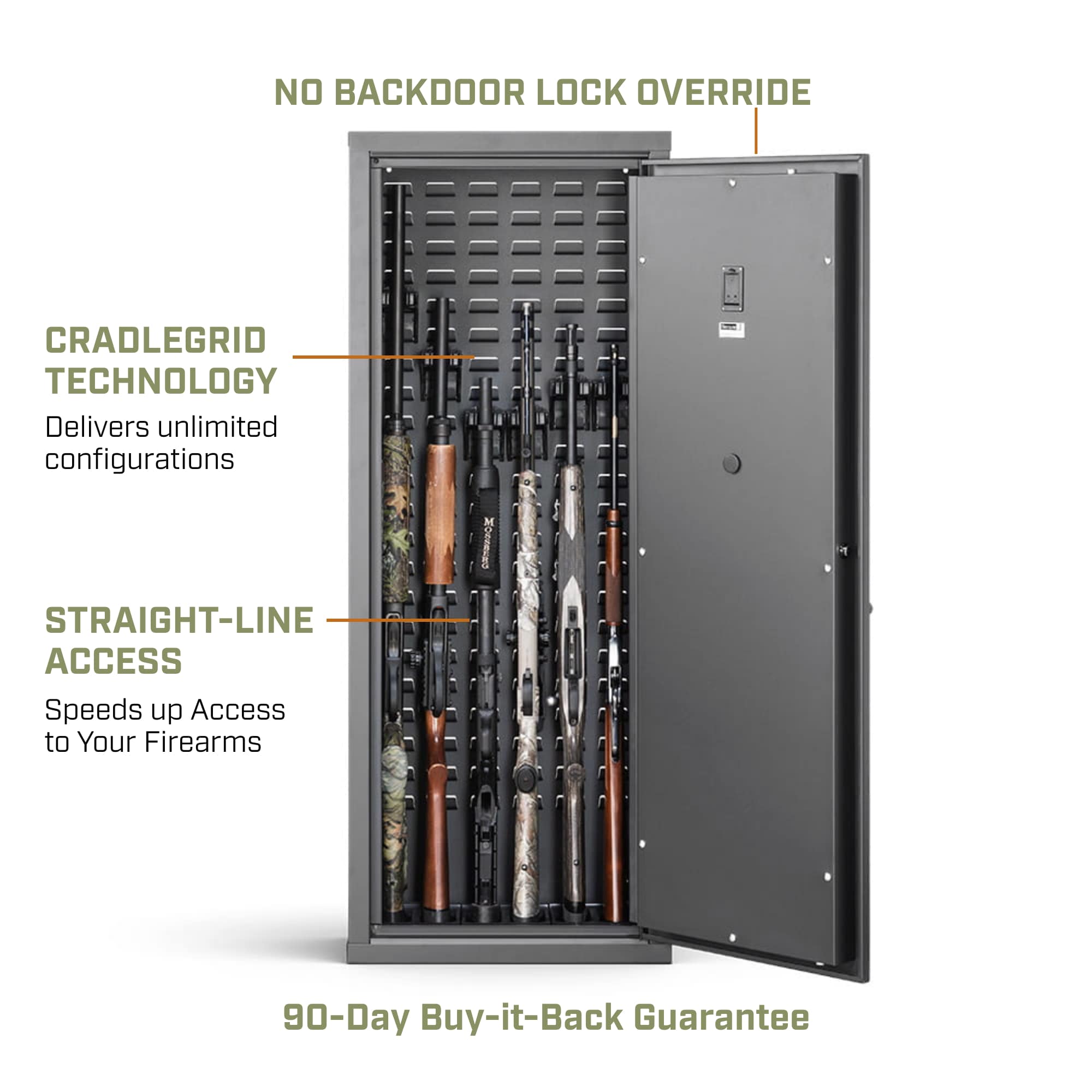
- Modular shelves and vertical rifle racks help a lot.
- Heavier usually means thicker steel. That is good.
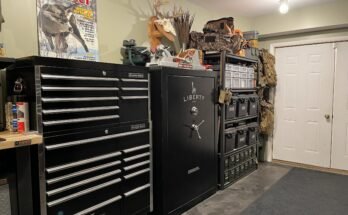
Source: libertygunsafeshenderson.com
Lock types: mechanical vs electronic vs redundant
The lock is your daily touchpoint. It must be reliable and fast. Good locks come from recognized safe lock makers.
How to buy a gun safe with the right lock:
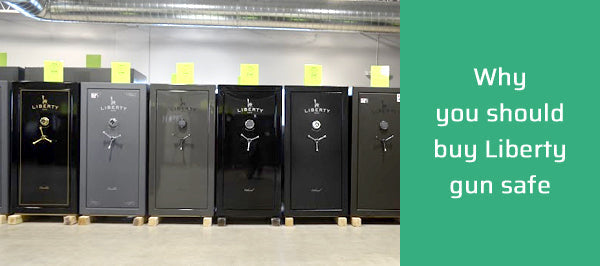
- Mechanical dial is simple and needs no batteries. It is slow but durable.
- Electronic keypad is fast and easy to change. Use a known high quality lock body.
- Redundant systems combine both. They cost more but add peace of mind.
More practical tips:
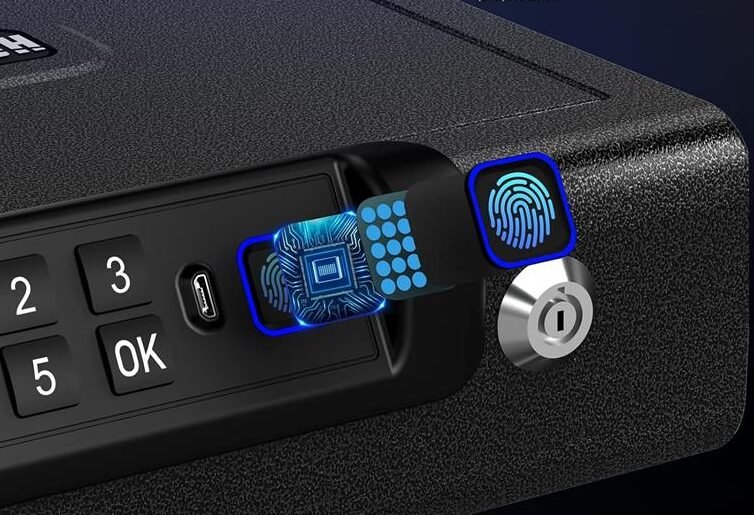
- Avoid cheap biometric as a sole lock. Use it only as a second factor.
- Keep a fresh battery inside or near the safe.
- Ask for a relocker and hardplate behind the lock.
Source: calibersusa.com
Fire protection: ratings that actually matter
Fire ratings vary. Many labels are marketing. A good test lists time, max temperature, and interior temperature limit. Look for at least 60 minutes at around 1200 to 1400 degrees if you live far from a fire station.
How to buy a gun safe with real fire performance:
- Prefer thicker steel and poured composite or multiple gypsum layers.
- Check for a full door seal that swells with heat.
- Ask how the safe was tested and at what temps.
What I have seen after fires:
- Paper chars fast. Metal guns survive better, but finishes and optics can fail.
- Heat rises. Store paper files low if you can.
- Fire sprinklers and fast response beat any safe rating.

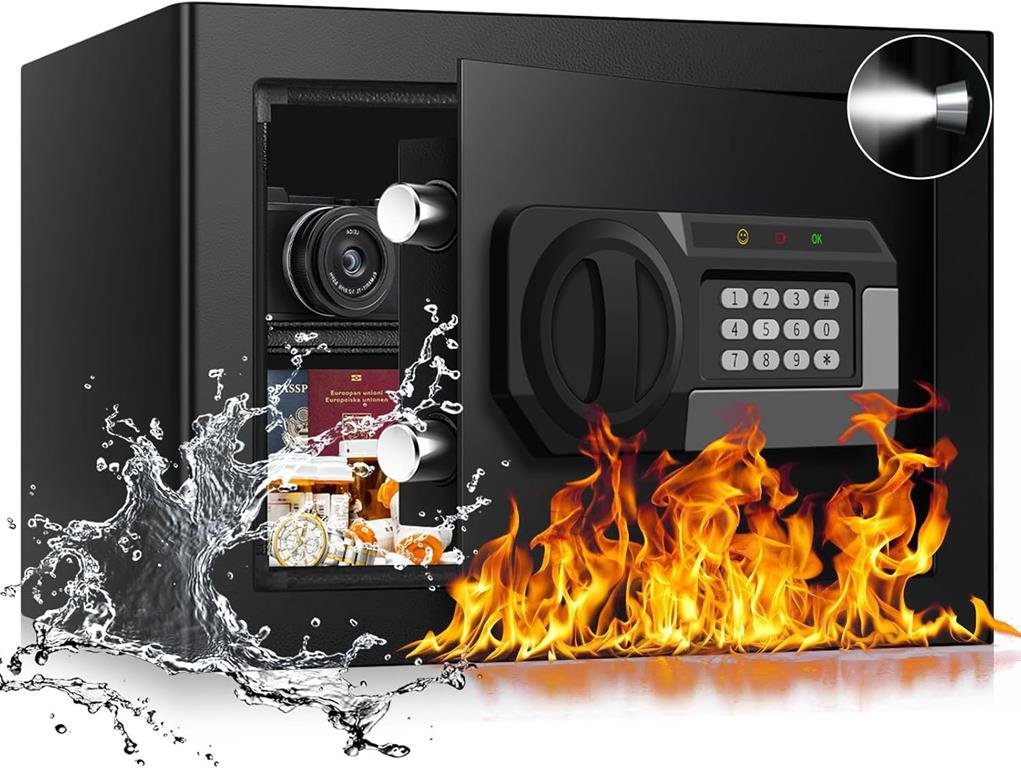
Source: hurawalhi.com
Security ratings, steel thickness, and build quality
A true rating helps. The Residential Security Container rating from UL is a common baseline. It means the unit resists a short tool attack by a skilled tester. It is not a vault, but it is far better than a locker.
How to buy a gun safe with solid construction:
- Aim for an RSC rating or better.
- Look for thicker steel. Lower gauge is thicker. Twelve gauge is better than fourteen. Ten gauge is better still.
- Seek a robust door with a stiff inner frame and hardplate.
Other build details that matter:
- External hinges are fine if there is a solid dead bar. Do not fear visible hinges.
- Bolt count is less important than door fit and steel.
- A tight door gap resists prying.

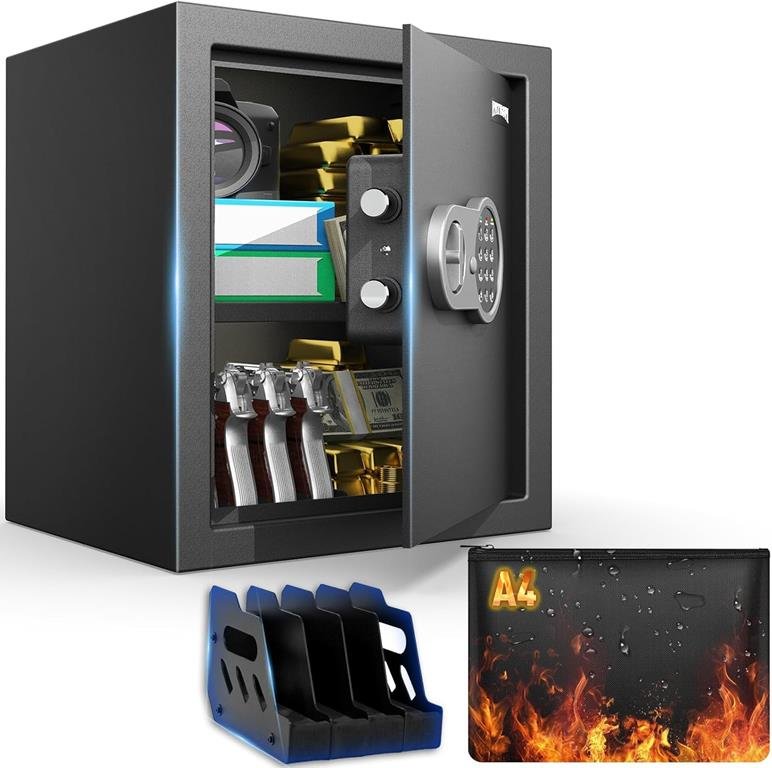
Source: tractorsupply.com
Placement, delivery, and anchoring
A safe works best when it is hard to find and hard to move. Anchor it. A heavy safe still slides on a dolly.
How to buy a gun safe and plan the install:
- Choose a low profile spot with good floor support.
- Bolt to concrete with proper anchors. Use at least two anchors, four is better.
- On wood floors, lag into joists and use a safe platform to spread load.
More install tips from the field:
- Protect floors during delivery with plywood sheets.
- Use a door bar or alarm sensor on the safe.
- Mind humidity. Add a dehumidifier rod or silica packs.
Source: secureitgunstorage.com
Budget, brands, and what to expect at each price
You get what you pay for, but you can avoid paying for fluff. Fancy paint does not stop a pry bar.
How to buy a gun safe within budget:
- Entry level under one thousand dollars: thin steel and light fire lining. Fine for basic child safety when anchored.
- Mid tier around one to two thousand dollars: RSC rating, 12 to 10 gauge, better locks, and 60 minute fire ratings.
- Premium above three thousand dollars: thicker steel down to 7 gauge, longer fire ratings, better fit and finish.
Check the warranty and service:
- Ask who services the lock if it fails.
- Confirm fire and theft coverage terms.
- Read the fine print on drop or flood damage.

Source: safeandvaultstore.com
Buying checklist and step-by-step process
This is the quick path I use with clients who ask how to buy a gun safe and want no drama.
Step 1. Define your storage goal
- Count guns and valuables. Add future growth.
Step 2. Set the space plan
- Measure doors and stairs. Pick a discreet spot.
Step 3. Choose security level
- Target an RSC rating. Select steel gauge and door build.
Step 4. Pick the lock
- Decide mechanical, electronic, or redundant.
Step 5. Choose fire protection
- Match rating to your fire risk and distance from responders.
Step 6. Plan delivery and anchoring
- Arrange pro delivery for heavy units. Anchor to slab or joists.
Step 7. Add moisture control and lighting
- Use a dehumidifier and motion light.
Step 8. Confirm warranty and service
- Get it in writing. Store combo and keys in a safe place.
Step 9. Document the install
- Take photos. Record serials. Update your insurance.

Source: co.uk
Common mistakes to avoid
I see the same errors again and again. Learn from them and save money.
How to buy a gun safe without regret:
- Do not buy by cubic feet alone. Interior layout matters more.
- Do not skip anchoring. Thieves can tip and pry a light safe.
- Do not chase bolt count and ignore steel thickness.
- Do not believe all fire labels. Ask for the test details.
- Do not put the safe in a damp garage without humidity control.
Maintenance and everyday use
A safe is not set and forget. A little care goes a long way.
How to buy a gun safe and keep it reliable:
- Change electronic lock batteries each year. Use fresh, brand name batteries.
- Wipe the door seal and check hinges twice a year.
- Swap or recharge desiccant on a schedule. Note dates on a tag inside.
Useful habits I teach owners:
- Spin a mechanical dial past zero a few times before opening. It clears slack.
- Keep a backup key or combo in a different safe place.
- Review access lists. Limit who knows the code.
Legal compliance and responsible access
Safe storage laws vary by state and city. Many have child access rules and transport limits. Some standards list specific safe requirements.
How to buy a gun safe that meets the rules:
- Check your state’s safe storage law before you buy.
- Look for safes that meet recognized state standards when required.
- If you sell or gift a gun, change the code after the transfer.
Responsible access tips:
- Use a tamper alert or log if your lock supports it.
- Teach trusted adults how to open the safe in an emergency.
- Store ammo apart if your local rules or personal plan call for it.
Frequently Asked Questions of how to buy a gun safe
How big should my gun safe be?
Pick a safe that is two sizes larger than your current need. A “24-gun” model often fits 12 to 16 with optics.
What is the best lock for a gun safe?
A quality electronic keypad is fast and reliable. A redundant lock adds a backup and peace of mind.
Do fire ratings on gun safes matter?
Yes, but ratings vary. Aim for at least 60 minutes at about 1200 to 1400 degrees with a good door seal.
Should I anchor my safe?
Yes. Anchoring stops tipping and makes removal hard. Use proper anchors and follow the maker’s guide.
How much should I spend on a gun safe?
Set a budget by risk and storage goals. Many owners land between one and two thousand dollars for solid security and fire protection.
Where should I put a gun safe in my house?
Choose a low profile spot on a slab if possible. Avoid damp areas and anchor it well.
What steel thickness should I look for?
Twelve gauge is a good starting point. Ten gauge or thicker offers better pry resistance.
Can a thief cut into any safe?
Given time and tools, yes. Your goal is to raise the effort and time, and to pair the safe with alarms and anchoring.
Conclusion
You now know how to buy a gun safe that fits your life. Focus on real security, honest capacity, and useful fire protection. Plan the spot, anchor it, and care for it over time.
Take the next step today. Measure your space, list your storage needs, and set a clear budget. When you are ready, use the checklist above, compare two or three models, and make an informed choice. Want more guides like this? Subscribe, share your questions, or leave a comment with your setup and lessons learned.