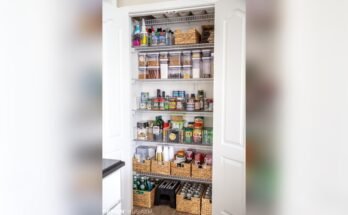
Keeping your kitchen pantry storage cabinets clean is not just about looks—it’s about health, food safety, and making your daily cooking easier. A messy pantry can hide expired food, attract pests, and make it hard to find what you need.
But cleaning these cabinets can feel overwhelming, especially if you have years of supplies stacked inside. The good news? With the right steps and a smart plan, you can clean your pantry cabinets quickly and keep them organized for months.
This guide gives you practical, step-by-step advice for cleaning kitchen pantry storage cabinets. Whether you have a small cupboard or a walk-in pantry, you’ll find simple instructions, tips for tough stains, and smart organizing tricks to prevent future messes. You’ll also learn about the best cleaning products, how to deal with pests, and how to keep your food fresh and safe.
Let’s get started on making your pantry a space you can be proud of.
Why Clean Your Kitchen Pantry Storage Cabinets?
A clean pantry helps you in many ways. First, it keeps your food safe by reducing the chance of pests or mold. Crumbs and spills can attract ants, cockroaches, or even mice. If you clean regularly, you stop these problems before they start.
Second, cleaning your pantry makes it easy to see what you have, which helps prevent buying things you don’t need or wasting food that goes bad. Finally, a tidy pantry saves you time when cooking or making shopping lists.
Many people clean their fridge often but forget about the pantry. Yet, dried foods, cans, and spices can go bad too. Dust and grease can settle on shelves, especially if your pantry is near your stove or oven. That’s why cleaning your pantry storage cabinets should be part of your regular kitchen routine.
How Often Should You Clean Pantry Cabinets?
The best schedule depends on your family size, how much you cook, and your climate. However, most experts suggest:
- Quick tidy-up: Every month, check for expired food and wipe any crumbs.
- Deep clean: Every 3–6 months, empty the pantry, wipe shelves, and organize everything.
If you live in a humid area, you might need to clean more often, because moisture can lead to mold. If you notice signs of pests or strange smells, clean right away.
Preparing For Pantry Cleaning
Before you start, gather your supplies. You do not need fancy tools, but the right products make the job faster and safer.
Essential Supplies
- Mild dish soap and warm water
- White vinegar (for grease or mold)
- Baking soda (for odors or tough stains)
- Sponges or microfiber cloths
- A small brush or old toothbrush
- Vacuum cleaner with a hose attachment (for crumbs)
- Trash bags for old food
- Storage bins or boxes (for sorting items)
If your cabinets are wooden, avoid soaking them—use a damp cloth instead. For laminate or metal, you can use a bit more water.
Safety Tips
- Wear gloves if you have sensitive skin.
- Open windows for ventilation, especially if you use vinegar.
- Keep cleaning products away from children and pets.
Step-by-step: Cleaning Your Pantry Storage Cabinets
Follow these steps for a thorough clean:
1. Remove All Items
Take everything out of the pantry. Place food items on a clean table or counter. This is the only way to see spills, crumbs, or hidden messes. As you remove items, group them by type—cans, spices, grains, snacks, baking supplies.
This makes it easier to organize later.
2. Check Expiry Dates And Food Quality
Look at every item. Check the expiration date and the condition of the packaging. Throw away:
- Open or damaged packages
- Expired food
- Items with a strange smell or color
Don’t keep food that you will never use. If you find unopened, non-expired items you don’t need, donate them.
3. Vacuum And Dust Shelves
Use a vacuum cleaner with a small brush or hose to remove crumbs and dust from every shelf, especially in corners. If you don’t have a vacuum, use a dry cloth. Pay attention to shelf edges and seams—these spots often trap dirt.
4. Clean Surfaces
Mix a few drops of mild dish soap in warm water. Wipe every shelf, wall, and door with a sponge or cloth. For sticky spots, let the damp cloth sit for a few minutes, then scrub gently.
For wooden cabinets, wring the cloth well so it’s just damp, not wet. For extra cleaning, especially for stains or mold, mix one part white vinegar with two parts water. Wipe again with a clean, damp cloth to remove any soap or vinegar.
5. Clean Drawers And Baskets
If your pantry has drawers or pull-out baskets, take them out if possible. Wash them with soapy water in the sink. Dry completely before putting them back.
6. Clean Pantry Doors And Handles
Don’t forget doors and handles—they collect fingerprints and grease. Use soapy water or a vinegar solution. Dry with a soft cloth to avoid watermarks.
7. Deodorize
If your pantry smells musty, sprinkle baking soda on shelves. Leave it for 15–20 minutes, then vacuum or wipe away. For stubborn odors, leave an open box of baking soda in the pantry to absorb smells.
8. Dry All Surfaces
Use a clean, dry cloth to wipe down every surface. Moisture can damage shelves or encourage mold, so make sure everything is dry before you put food back.

Organizing And Restocking Your Pantry
Putting items back is a chance to make your pantry more efficient. A well-organized pantry saves you time and reduces food waste.
Group Items By Category
Put similar foods together. For example:
- Canned goods on one shelf
- Grains and pasta in one area
- Snacks and breakfast foods together
- Baking supplies in a separate box or bin
This makes it easier to find things and see what you have.
Use Clear Containers
Transfer foods like rice, flour, or snacks from open packages to airtight, clear containers. This keeps food fresh and shows you when you’re running low. Label each container with the item name and date.
Store Newer Items Behind Older Ones
When restocking, move older items to the front and put newer purchases in the back. This “first in, first out” method helps you use up food before it expires.
Use Shelf Liners
Shelf liners protect your cabinets from spills and make cleaning easier. Choose washable, non-slip liners. Cut them to fit each shelf.
Make A Pantry Inventory
Write down what you have and update it after each shopping trip. This reduces the chance of buying duplicates or letting food go bad.
Example Organization Layout
Here’s a simple example of how you might arrange a 4-shelf pantry:
| Shelf | Best Items to Store |
|---|---|
| Top Shelf | Extra supplies, rarely used items |
| Eye-Level Shelf | Everyday foods, snacks, cereal |
| Lower Shelf | Canned goods, pasta, rice |
| Bottom Shelf/Floor | Beverages, bulk items, pet food |
Special Tips For Different Pantry Types
Not all kitchen pantry cabinets are the same. Here’s how to clean and organize some common types.
Small Cupboard Pantries
If you have a single cupboard or small closet, use stackable bins or risers to create more space. Hang a plastic shoe organizer on the inside of the door for spices or small snacks.
Walk-in Pantries
Divide the space into zones—baking, breakfast, canned goods, etc. Use large bins for bulk items and label each zone clearly. Consider adding hooks for aprons or grocery bags.
Pull-out Pantry Drawers
Remove each drawer and clean the runners. Use shallow baskets to separate items inside drawers. Wipe the sides and bottom before replacing the baskets.
Corner Pantries
Lazy Susan turntables make it easy to reach items in deep corners. Install extra lighting if the space is dark, so you don’t miss spills or expired foods.

Cleaning And Organizing Common Pantry Items
Some foods need special care when cleaning or storing.
Spices
Spice jars often collect dust and grease. Wipe each one with a damp cloth. Check for clumps or faded color—spices lose flavor over time. Store them in a cool, dark spot, not above the stove.
Flour, Sugar, And Grains
If you find spilled flour or sugar, vacuum first, then wipe with a damp cloth. Store these foods in airtight containers to prevent bugs like pantry moths.
Canned Goods
Check for rust or bulging lids—these are signs the food is unsafe. Wipe cans before putting them back. Stack cans so labels face out.
Snacks And Chips
Open bags go stale fast. Use clips or transfer snacks to sealable bins. Wipe away crumbs before restocking.
Baking Supplies
Group baking powder, soda, chocolate chips, and extracts together. Store small items in a basket to avoid losing them at the back.
Dealing With Pests And Mold
Pantry pests and mold are common problems, but you can prevent them with good cleaning and storage.
Common Pantry Pests
- Ants: Attracted to sugar and crumbs. Wipe surfaces well and seal sweet foods.
- Moths: Lay eggs in flour, rice, or pasta. Use airtight containers and check for webbing.
- Weevils: Small bugs in grains. Throw away infested food and clean shelves with vinegar.
If you find pests, empty the pantry and clean every surface. Store new food in sealed containers. Avoid using chemical sprays near food—natural cleaning is safer.
Mold
Mold grows in damp, dark places. If you see black or green spots, wipe with vinegar and let air dry. Keep the pantry dry by fixing leaks and using a dehumidifier if needed.

Cleaning Products: What Works Best?
You don’t need strong chemicals to clean pantry cabinets. Here’s a quick comparison of common cleaning products:
| Product | Best For | Notes |
|---|---|---|
| Mild dish soap | General cleaning | Safe for most surfaces |
| White vinegar | Grease, mold, odors | Smell fades quickly |
| Baking soda | Odors, tough stains | Non-toxic, good for deodorizing |
| Commercial sprays | Deep cleaning, sticky mess | Check label for food safety |
Always rinse surfaces with plain water after using cleaners, especially if you store food directly on shelves.
Maintaining A Clean Pantry: Habits That Work
A deep clean is great, but daily habits keep your pantry tidy all year. Try these strategies:
- Wipe up spills immediately. Don’t wait for crumbs or leaks to harden.
- Check for expired food monthly. Set a reminder on your calendar.
- Keep a small hand vacuum in the kitchen for quick cleanups.
- Teach everyone in your home to put items back in the right spot.
- Avoid overfilling shelves. Overcrowding leads to hidden spills and wasted food.
- Rotate food so older items are used first.
Many people forget that humidity and temperature can affect pantry food. Store your pantry items in a cool, dry place—never near a dishwasher, stove, or heat vent.
Mistakes To Avoid When Cleaning Pantry Cabinets
Even with the best intentions, some common mistakes can make pantry cleaning harder.
- Skipping steps: Don’t just clean around items—always remove everything.
- Using too much water: Especially on wood, too much moisture can warp shelves.
- Ignoring shelf liners: Dirty liners can hide old spills.
- Not checking expiration dates: Old food can attract pests or cause illness.
- Using harsh chemicals: Strong cleaners can leave residues that contaminate food.
Real-world Example: Quick Pantry Makeover
Imagine a family of four with a busy lifestyle. Their pantry is a single, deep cabinet with four shelves. Over time, snacks are tossed in, spices spill, and old cereal boxes hide in the back.
They set aside two hours on a Saturday morning:
- Remove everything and sort into piles.
- Find three bags of expired snacks and two open bags of rice with bugs—these go straight to the trash.
- Wipe each shelf with a vinegar solution and dry them well.
- Add new shelf liners.
- Group snacks in baskets, stack cans, and use clear bins for pasta and cereal.
- Label each bin and shelf.
After cleaning, they find cooking and shopping much easier. Less food is wasted, and the pantry stays organized for months with simple weekly checkups.
Comparison: Deep Clean Vs. Quick Clean
Sometimes you only have a few minutes; other times, you can do a full deep clean. Here’s how they compare:
| Type of Clean | Steps Involved | How Often | Best For |
|---|---|---|---|
| Quick Clean | Remove crumbs, wipe surfaces, check visible items | Weekly or monthly | Busy schedules, light messes |
| Deep Clean | Empty shelves, wash everything, check all food, reorganize | Every 3–6 months | Seasonal reset, pest prevention |
Extra Insights Most Beginners Miss
Many people don’t realize that airflow is important in a pantry. Don’t pack items too tightly—good airflow prevents mold and keeps food fresh.
Another tip: Use your smartphone to take a photo of your pantry after organizing. This makes it easier to remember where things go, and you can check the photo while shopping to avoid buying duplicates.
When To Call A Professional
Sometimes, a pantry has serious mold, water damage, or a pest infestation that you can’t handle alone. If you see large patches of mold, notice mice, or find that shelves are breaking, call a professional cleaner or pest control service.
It’s better to be safe, especially when food safety is involved.
For more detailed guidance on safe pantry cleaning, you can read advice from the Centers for Disease Control and Prevention.
Frequently Asked Questions
How Do I Clean Sticky, Greasy Pantry Shelves?
Mix equal parts white vinegar and warm water. Dip a cloth in the solution, wring out, and wipe the sticky spots. For tough grease, let the cloth sit on the area for a few minutes before scrubbing gently. Always dry the shelf after cleaning.
What Is The Best Way To Prevent Pantry Bugs?
Store all grains, flour, and snacks in airtight containers. Clean up crumbs quickly, and check for signs of bugs each month. If you see webbing or small insects, remove all food, clean with vinegar, and only restock sealed, fresh items.
Can I Use Bleach To Clean Pantry Cabinets?
Bleach is not recommended unless you have a serious mold problem. Even then, use it only on non-porous surfaces and rinse well afterward. For regular cleaning, dish soap and vinegar are safer and just as effective.
How Do I Keep My Pantry Smelling Fresh?
Place an open box of baking soda on a shelf to absorb odors. You can also use a small bowl of dry coffee grounds or charcoal briquettes. Clean up spills quickly, and keep air flowing by not overpacking shelves.
Is It Safe To Keep Food In The Pantry During Cleaning?
No. For a deep clean, take all food out first. This prevents contamination and lets you clean every surface. Store food in a cool, dry spot while you work, and only return items to completely dry shelves.
A clean kitchen pantry storage cabinet is the heart of an organized kitchen. With these steps, you can keep your food safe, your shelves fresh, and your cooking routine stress-free. Make pantry cleaning a habit, and you’ll enjoy a healthier, happier kitchen every day.