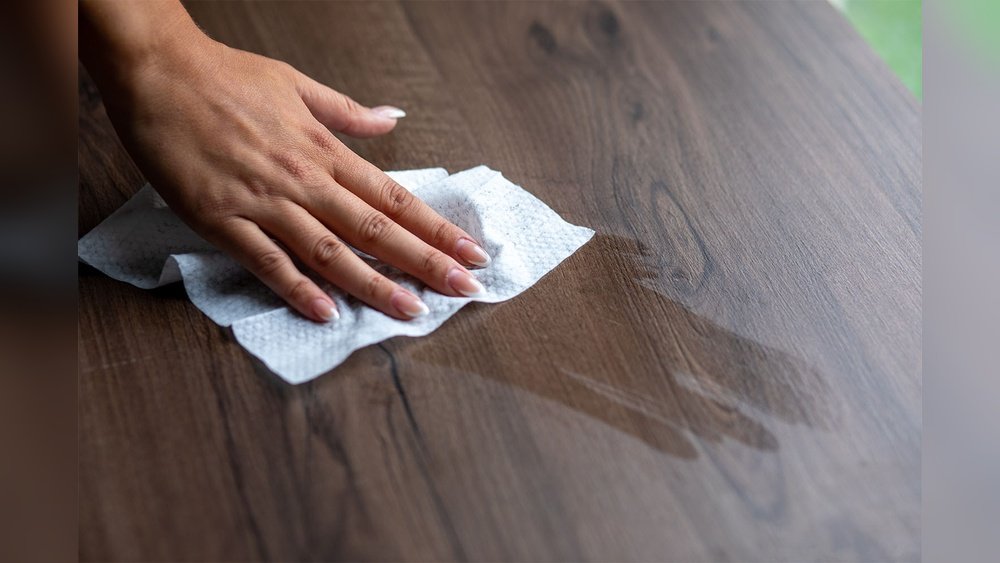
A clean coffee table does more than just look nice—it sets the tone for your living room and keeps your home inviting. But the right way to clean a coffee table isn’t always obvious. Should you use a wood polish, glass cleaner, or just soap and water?
What about stains or sticky spills? Too often, people damage their coffee tables by using the wrong products or forgetting to clean them regularly.
Cleaning a coffee table properly means knowing what materials you’re dealing with, which tools to use, and how to tackle everyday dust, stubborn stains, and accidental scratches. Whether your table is made of wood, glass, metal, or a mix of materials, this guide will walk you through everything you need to keep it spotless and lasting longer. You’ll also learn a few expert tricks that most beginners miss, and practical advice for avoiding common cleaning mistakes.
Types Of Coffee Tables And Why Material Matters
Before you start cleaning, it’s important to know what your coffee table is made of. The cleaning process and products you use depend on the material. Using the wrong method can lead to permanent damage or dull finishes.
Common Coffee Table Materials
- Wood: Solid wood or engineered wood tables are classic. Each type may need different care depending on finishes like varnish, lacquer, or paint.
- Glass: Modern and stylish, but fingerprints and streaks show easily.
- Metal: Often found in industrial or minimalist designs. Can include stainless steel, iron, or brass.
- Marble: Luxurious but porous, so it stains easily.
- Laminate/Veneer: Affordable options that look like wood or stone but require special care.
- Acrylic/Plastic: Lightweight and often clear, but can scratch easily.
- Mixed Materials: Many coffee tables use a mix (e.g., glass top with a metal frame).
Why Material Impacts Cleaning
Every material reacts differently to water, chemicals, and abrasion. For example, using a glass cleaner on real wood can strip away its finish, while harsh scrubbing on acrylic can leave permanent scratches. Understanding your table’s material is the first step to safe and effective cleaning.
Essential Cleaning Tools And Products
Cleaning a coffee table doesn’t require fancy gadgets. Still, having the right supplies on hand makes the job easier and prevents damage.
Basic Cleaning Supplies
- Microfiber cloths: These pick up dust without scratching surfaces.
- Soft sponges: Good for gentle scrubbing.
- Mild dish soap: Safe for most surfaces when diluted.
- Spray bottle: For mixing homemade cleaners or water.
- Soft-bristled brush: Helpful for grooves or textured surfaces.
- Paper towels: Useful for drying glass or metal.
- Distilled water: Reduces streaks, especially on glass.
Material-specific Products
- Wood cleaner or polish: Protects finish and adds shine.
- Glass cleaner: Leaves a streak-free surface.
- Marble cleaner: PH-neutral to prevent etching.
- Metal polish: For restoring shine to brass or stainless steel.
- Plastic polish: Prevents cloudiness on acrylic tables.
Safety First
Always read product labels and test any cleaner on a small, hidden area first. Some commercial products contain harsh chemicals that can discolor or damage your coffee table.
How To Clean A Wood Coffee Table
Wooden coffee tables are popular for their warmth and classic look, but they’re sensitive to moisture and harsh cleaners. Here’s how to clean them safely:
Step-by-step Cleaning
- Remove Items: Take off all books, decor, and coasters.
- Dust Regularly: Use a dry microfiber cloth to remove dust. Avoid feather dusters—they can scatter particles.
- Mix Mild Soap Solution: Add a few drops of mild dish soap to a bowl of warm water.
- Wipe Down Surface: Dip a soft cloth into the solution, wring it out well, and gently wipe the wood. Do not soak the wood.
- Dry Immediately: Use a dry microfiber cloth to remove any moisture.
- Polish (Optional): Apply a small amount of wood polish with a clean cloth. Buff gently to restore shine.
Dealing With Stains And Water Marks
- White rings: Caused by moisture under a glass or mug. Rub gently with a mixture of equal parts vinegar and olive oil.
- Sticky spills: Use a bit more soap, but never let water pool on the surface.
Special Considerations
Never use ammonia, bleach, or all-purpose cleaners on wood. These can strip the finish or leave streaks.
Example: Removing Ink Stains
If a pen leaks on your table, dab the area with rubbing alcohol on a cotton swab. Don’t rub—just blot gently. Always test on a hidden spot first.
How To Clean A Glass Coffee Table
Glass tables look modern and make rooms feel brighter, but they also show every fingerprint and smudge.
Cleaning Process
- Clear the Table: Remove all items and shake out any crumbs.
- Dust First: Wipe the surface with a dry microfiber cloth to remove loose particles.
- Apply Glass Cleaner: Spray a glass cleaner or a mix of equal parts water and vinegar.
- Wipe Thoroughly: Use a clean, dry microfiber cloth or paper towel. Move in circular motions to avoid streaks.
- Buff Edges: Don’t forget the sides and edges, which often collect dust.
Preventing Streaks
- Use distilled water if you’re mixing your own solution. Tap water can leave spots.
- Clean in the shade; sunlight dries cleaners too quickly and causes streaks.
Handling Scratches
For shallow scratches, try a dab of toothpaste. Rub gently with a soft cloth, then clean as usual.
Non-obvious Insight
Many people forget to clean the underside of glass tables, but dust and fingerprints collect there too. Wipe both sides for the clearest look.
How To Clean A Metal Coffee Table
Metal tables are tough but can lose their shine or develop rust if not cared for properly.
Step-by-step
- Remove Dust and Debris: Use a dry microfiber cloth.
- Wipe with Damp Cloth: Mix a few drops of mild dish soap in warm water. Wipe the metal frame or surface with a well-wrung cloth.
- Dry Completely: Metal can rust if left damp. Use a dry cloth to remove all moisture.
- Polish if Needed: For stainless steel or brass, use a tiny amount of metal polish. Buff with a soft cloth.
Dealing With Rust Spots
- Mix baking soda with a little water to make a paste. Apply to rusty spots and gently rub with a soft brush. Wipe clean and dry well.
Avoiding Damage
Don’t use steel wool or abrasive pads—they scratch metal surfaces. Avoid ammonia-based cleaners on brass or copper.
Example
If your table has a powder-coated finish, only use mild soap and water. Harsh chemicals can strip the coating.
How To Clean A Marble Coffee Table
Marble is beautiful but sensitive to acids and stains. It needs extra care.
Cleaning Steps
- Dust Regularly: Use a soft, dry cloth.
- Wipe with pH-Neutral Cleaner: Avoid anything acidic. Mix a little mild dish soap with water, or use a cleaner made for marble.
- Rinse and Dry: Wipe with a damp cloth, then dry immediately to avoid water spots.
Removing Stains
- Oil stains: Sprinkle baking soda over the stain, cover with plastic wrap, and leave overnight. Wipe away with a damp cloth.
- Etching (dull spots): These are permanent, but you can reduce their appearance with special marble polish.
Key Advice
Never use vinegar, lemon juice, or bathroom cleaners on marble. These will etch and dull the surface.
Non-obvious Insight
Seal your marble table once or twice a year. This invisible barrier helps prevent stains and makes cleaning easier.

How To Clean A Laminate Or Veneer Coffee Table
Laminate and veneer tables are budget-friendly and mimic real wood or stone. But their thin surface layer can be damaged easily.
Step-by-step
- Dust with Microfiber Cloth: Prevents scratches from dirt.
- Wipe with Mild Soap Solution: Use a damp (not wet) cloth and mild dish soap.
- Dry Thoroughly: Water can seep under the veneer and cause it to lift or bubble.
- Polish (Optional): Use a product made for laminate, never real wood polish.
Handling Stubborn Spots
For sticky residues, use a little diluted vinegar, but never let it sit.
Common Mistake
Many people use too much water, which seeps into seams and weakens the glue.
How To Clean An Acrylic Or Plastic Coffee Table
Acrylic and plastic tables are easy to move and great for families, but they scratch easily.
Cleaning Method
- Remove Dust with Microfiber Cloth: Avoid paper towels—they can cause fine scratches.
- Use Mild Soap Solution: Wipe gently with a damp, soft cloth.
- Buff with Dry Microfiber Cloth: For a clear finish.
Dealing With Scratches
For light scratches, use a plastic polish or even a dab of car headlight polish. Buff gently.
Special Caution
Never use ammonia-based cleaners (like some glass cleaners) on acrylic—they cause clouding.
How To Clean A Mixed Material Coffee Table
Many modern coffee tables combine materials, like a glass top with a metal frame. Clean each part according to its material, but be careful not to let products drip from one surface to another.
Example Process
- Remove All Items: Start with a clear surface.
- Dust Everything: Use a dry cloth for all surfaces.
- Clean Glass Top: Spray cleaner on cloth, not directly on glass, to avoid drips.
- Wipe Frame: Use a separate cloth and appropriate cleaner (metal, wood, etc. ).
- Dry Everything: Prevent streaks and water damage.
Key Insight
Always work from top to bottom. This prevents dirty drips on surfaces you’ve already cleaned.
Comparison: Cleaning Needs By Material
To help you choose the right approach, here’s a quick look at the cleaning needs for different coffee table materials:
| Material | Best Cleaner | Key Caution | How Often |
|---|---|---|---|
| Wood | Mild soap, wood polish | Avoid excess water, strong chemicals | Weekly |
| Glass | Glass cleaner, vinegar solution | Buff to avoid streaks | 2-3 times/week |
| Metal | Mild soap, metal polish | Dry completely to prevent rust | Weekly |
| Marble | pH-neutral cleaner | Avoid acids and scrubbing | Weekly or as needed |
| Laminate/Veneer | Mild soap | Minimal water, no wood polish | Weekly |
| Acrylic/Plastic | Mild soap, plastic polish | No ammonia, avoid abrasives | Weekly |
How To Clean Coffee Table Stains And Spills
Spills and stains are almost impossible to avoid, especially if you enjoy your coffee table for drinks, snacks, or family games. The key is acting quickly and using the right method for the spill.
Common Spills And How To Handle Them
- Coffee or Tea: Blot immediately with a dry cloth. For wood, use a mild soap solution. For marble, rinse with water and dry.
- Wine or Juice: Dab up excess liquid, then clean with appropriate cleaner. For marble, use a baking soda poultice.
- Grease or Food: Scrape off solid bits, then wipe with mild soap and water. Avoid strong degreasers on wood or marble.
- Marker or Ink: Test a small spot with rubbing alcohol, then gently blot (never rub).
- Candle Wax: Let it harden, then gently scrape off with a plastic card. Wipe residue with mild soap and water.
Tips For Fast Action
- Always blot (press down) rather than rub. Rubbing spreads the stain.
- Dry the area after cleaning to avoid water damage or streaks.
How Often Should You Clean A Coffee Table?
The right cleaning frequency depends on material, use, and household traffic. Here’s a quick guide:
| Usage Level | Recommended Frequency | Notes |
|---|---|---|
| High (daily meals, kids, parties) | 2-3 times/week | Spot-clean spills immediately |
| Medium (regular decor, some drinks/snacks) | Weekly | Polish monthly if wood |
| Low (decor only, minimal use) | Every 2 weeks | Dust weekly to prevent buildup |
Mistakes To Avoid When Cleaning A Coffee Table
Even with the best intentions, it’s easy to make mistakes that damage your coffee table. Here are some of the most common, and how to avoid them:
- Using Harsh Cleaners: Products with ammonia, bleach, or acid can strip finishes and cause permanent damage.
- Too Much Water: Especially on wood, veneer, or marble, excess water causes swelling, warping, or stains.
- Wrong Cloths: Paper towels or rough sponges can scratch delicate surfaces like glass, acrylic, or lacquered wood.
- Ignoring the Underside: Dust and cobwebs collect underneath, attracting pests and dust bunnies.
- Letting Spills Sit: Fast action is key. The longer a spill sits, the deeper it soaks in.
- Mixing Cleaners: Never mix different cleaning products. Some combinations can release harmful fumes.
Expert Tips For A Sparkling Coffee Table
Cleaning isn’t just about removing dirt—it’s also about protecting your table so it stays beautiful longer. Here are a few expert tricks:
- Use coasters and placemats: Prevent water rings and heat damage.
- Rotate decor: Move books, vases, and trays regularly so dust doesn’t settle in one spot.
- Add felt pads: Under decor and trays, felt pads prevent scratches and scuffs.
- Check for loose screws: For tables with legs or shelves, tighten screws every few months.
- Seasonal deep clean: Once every three months, remove everything and clean every part of the table, including legs, edges, and underside.

Eco-friendly And Diy Cleaning Solutions
Store-bought cleaners aren’t the only option. Many gentle, effective cleaners can be mixed at home, saving money and reducing chemicals in your home.
Diy Cleaner Recipes
- All-Purpose Solution: Mix 1 cup water, 1 tablespoon vinegar, and a drop of dish soap in a spray bottle. Great for glass, laminate, and metal (not wood or marble).
- Wood Cleaner: Mix 1 cup water, 1 tablespoon olive oil, and a few drops of lemon juice. Shake well and apply with a soft cloth.
- Marble Cleaner: Just a few drops of mild dish soap in warm water.
When To Use Store-bought Vs. Diy
Use store-bought cleaners for tough stains or if your table has a specialty finish (like high-gloss lacquer). For everyday cleaning, DIY solutions are usually safe and effective.
When To Call A Professional
Sometimes, cleaning isn’t enough—especially for valuable antiques, deep stains, or severe damage.
- Antique tables: If your table is valuable or has sentimental value, don’t risk DIY fixes. Call a professional restorer.
- Deep scratches or gouges: Professionals can refinish or repair damage without harming the table.
- Heavy marble stains: Some stains require special poultices or re-polishing.
Frequently Asked Questions
How Do I Keep My Coffee Table From Getting Sticky?
Sticky surfaces often come from spilled drinks or cleaning products that aren’t wiped off properly. Always rinse and dry after cleaning, and clean up spills right away. Use coasters to prevent sticky rings.
Can I Use Disinfecting Wipes On My Coffee Table?
It depends on the material. Disinfecting wipes are safe for glass and many laminates, but they may damage wood, marble, or acrylic. Check the label and test a small area first.
What’s The Best Way To Remove Scratches From A Glass Coffee Table?
Small scratches can be buffed out with a dab of toothpaste or a glass polishing kit. For deep scratches, you may need professional help.
How Can I Clean Underneath A Heavy Coffee Table?
Ask for help to lift or slide the table. Use a long-handled duster or vacuum attachment for the underside and legs. Don’t ignore this area—it collects dust and dirt.
Is It Safe To Use Vinegar On All Coffee Tables?
No. Vinegar is great for glass and metal but should never be used on wood, marble, or acrylic. It can strip finishes and cause etching.
For more tips on furniture cleaning, check out this Good Housekeeping guide.
Keeping your coffee table clean isn’t difficult if you use the right methods for your table’s material. With regular care, the right products, and a little attention to detail, your coffee table will stay a beautiful centerpiece for years to come.