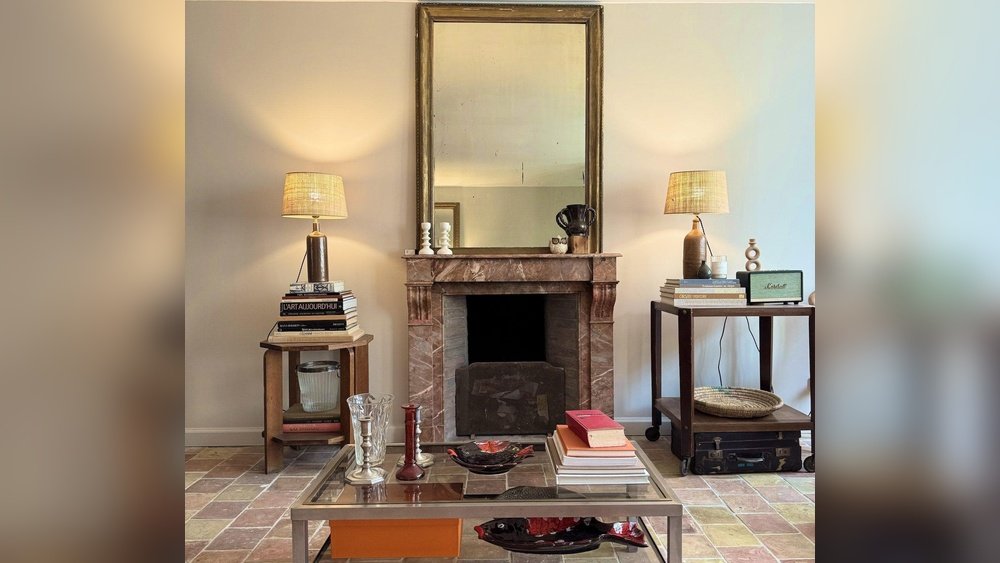
Coffee tables are a common sight in living rooms, offices, and lounges around the world. You may use them to hold magazines, drinks, remote controls, or even display decorative items. But what if you want to place something heavy on your coffee table? Maybe a large stack of books, a heavy sculpture, or even a small aquarium? Many people wonder, can coffee tables hold heavy items, or will they break under pressure? Understanding this is more than just a matter of convenience—it’s about keeping your home safe and your furniture lasting longer.
What Determines A Coffee Table’s Strength?
When considering if a coffee table can hold heavy items, it’s important to know what factors affect its strength. Not all tables are made the same, and a stylish look does not always mean high durability.
Materials Used
The material of the coffee table is a big factor. For example:
- Solid wood tables (like oak, maple, or walnut) are usually strong and can hold more weight.
- Engineered wood (such as MDF or particle board) is less strong than solid wood and may bend or break with too much weight.
- Glass tables look elegant but are often weaker, especially if they use thinner glass.
- Metal tables can be very strong, especially if made with thick steel or iron parts.
Each material has its own weight limit. For example, a solid oak table can hold much more than a table made from thin particle board.
Construction And Design
Even with strong materials, construction quality matters. Some things to look for include:
- Joinery: Tables with screws, dowels, or metal brackets are stronger than those with only glue.
- Leg design: Four thick, evenly spaced legs give the best support. Thin or angled legs might look stylish but can be weaker.
- Tabletop thickness: A thick tabletop is less likely to sag or crack under weight.
Size And Shape
A large, wide coffee table may look sturdy, but if it is not supported well in the middle, it can sag. Round tables often distribute weight better than rectangular ones, but design details matter. A narrow or long table is more likely to bend in the middle.
Manufacturer’s Weight Limits
Many manufacturers test their furniture and provide a maximum weight limit. This tells you exactly how much the table can handle safely. If you don’t see this information, check the user manual or the company’s website.
Typical Weight Capacity Of Coffee Tables
Not all coffee tables can support the same amount of weight. Some can handle a lot, while others are only good for light items.
| Material | Average Weight Capacity (kg) | Average Weight Capacity (lbs) |
|---|---|---|
| Solid Wood | 90 – 180 | 200 – 400 |
| Engineered Wood | 45 – 90 | 100 – 200 |
| Metal | 110 – 225 | 240 – 500 |
| Glass | 30 – 75 | 65 – 165 |
| Mixed Materials | 60 – 135 | 130 – 300 |
These are rough averages. Some specialty tables, such as those used in offices or public spaces, may be designed to hold even more weight. Always check the specific product details.
Common Heavy Items People Place On Coffee Tables
It’s important to know what kind of items count as “heavy” when it comes to coffee tables. Here are some common objects and how much they weigh:
- Large stacks of books: A pile of 20 hardcover books can easily weigh 15–20 kg (33–44 lbs).
- Tabletop aquariums: Even a small aquarium (10 gallons) weighs over 40 kg (88 lbs) when filled.
- Art sculptures: Some stone or metal sculptures can be 20–40 kg (44–88 lbs).
- Laptops and electronics: While a single laptop is light, a group of electronics, speakers, or monitors can add up to 10–15 kg (22–33 lbs).
- Serving trays with drinks/food: A tray with a large coffee pot, cups, and snacks might weigh 5–10 kg (11–22 lbs).
- Decorative stones or vases: Some decorations, especially if made from heavy material, can weigh 10 kg (22 lbs) or more.
- Children or pets: Sometimes, a child or pet may sit or climb on a coffee table, adding 15–30 kg (33–66 lbs) or more.
While most coffee tables can handle a few books or a tray, not all are ready for the weight of a full aquarium or a heavy statue.
Real-life Examples And Data
To better understand the risk, let’s look at some real-world cases:
- In a 2022 survey by a popular furniture store, 17% of coffee table damage was caused by overloading the table with heavy items.
- A study on home accidents published by the National Safety Council found that about 1 in 10 coffee table breaks resulted in minor injuries, usually from items falling off or the table collapsing.
- A well-known interior designer shared that in her 15 years of experience, glass coffee tables were the most likely to break under heavy loads, even when the glass was labeled as “tempered.”
These facts show that even though most tables are designed for daily use, problems can happen if you overload them.
Signs Your Coffee Table Is Not Handling The Weight
Sometimes it’s not obvious that your coffee table is under too much stress. Look out for these warning signs:
- Creaking sounds: If you hear creaking or cracking, the joints or the tabletop may be under strain.
- Visible sagging: The middle of the table bends down.
- Loose legs: The legs wobble or feel unstable.
- Cracks in the material: Small cracks can grow larger and cause sudden breaks.
- Difficulty moving: If the table feels unusually heavy or hard to move, it might be under too much weight.
If you notice any of these signs, remove some weight immediately to prevent damage or injury.
How To Test Your Coffee Table’s Strength Safely
Before placing a heavy item, it’s smart to check if your table can handle it. Here’s a safe way to test:
- Check the manufacturer’s label or manual for a weight limit.
- Start with lighter weights: Place several small items to add up to the expected weight.
- Watch for warning signs: As you add weight, look for any bending, creaking, or instability.
- Spread the weight: Try to place heavy items near the corners or over the legs, not in the center.
- Don’t test with valuable or breakable items: Use something safe to avoid loss if the table fails.
If you’re unsure, it’s better to stay under the estimated weight limit.
How To Make Your Coffee Table Hold Heavier Items
Sometimes, you may want to safely increase the load your coffee table can carry. Here are some practical tips:
Reinforce The Structure
- Add support brackets: Metal brackets under the tabletop can give extra strength.
- Use a plywood board under the tabletop to distribute weight evenly.
- Tighten screws and joints regularly to keep the table sturdy.
Choose The Right Placement
- Place heavy items above the legs rather than in the middle.
- Keep the table on a flat surface so all legs touch the ground evenly.
Avoid Common Mistakes
- Don’t overload glass tables: Even “tempered glass” has limits.
- Don’t ignore small cracks or loose legs: Fix them before adding more weight.
- Don’t move the table while loaded: This puts stress on the joints.
Upgrade When Needed
If your coffee table is old, made from weak materials, or showing signs of damage, consider replacing it with a stronger model. Look for tables with solid wood, thick metal frames, or reinforced glass.
Comparing Coffee Table Types For Heavy Items
Some coffee tables are better than others for heavy loads. Here’s a comparison of common types:
| Coffee Table Type | Best For | Weaknesses | Average Weight Capacity (lbs) |
|---|---|---|---|
| Solid Wood | Heavy decorations, books | May warp if exposed to water | 250 – 400 |
| Metal Frame | Electronics, aquariums | Can scratch floors | 300 – 500 |
| Glass Top | Light decor, magazines | Breaks easily under point pressure | 65 – 150 |
| Engineered Wood | Light books, remotes | Weak under heavy loads | 100 – 200 |
| Mixed Materials | General use | Depends on weakest material | 130 – 300 |
If you often need to place heavy items, solid wood or metal frame tables are your safest bets.
Mistakes People Make When Placing Heavy Items
Understanding what not to do can save you from costly mistakes or accidents:
- Ignoring the weight limit: Many people assume their table can handle anything, but every table has a limit.
- Placing heavy items in the center: The middle is usually the weakest point.
- Stacking items unevenly: This can make the table tip or stress one side.
- Not checking for damage: Placing weight on a damaged table can cause it to break suddenly.
- Letting children or pets climb: Coffee tables are not designed for jumping or sitting, which adds unexpected weight.
Even one of these mistakes can cause damage or injury.
When Should You Avoid Placing Heavy Items?
There are times when you should never risk putting heavy items on your coffee table:
- If the table is made of glass or thin materials
- If you notice sagging, cracks, or loose joints
- If the item is valuable, fragile, or could cause injury if it falls
- If the table is old or has been repaired many times
- When the manufacturer warns against heavy use
Safety should always be your first concern.
Expert Advice: Making The Right Choice
Interior designers and furniture experts agree on several tips for choosing a coffee table if you expect to use it for heavy items:
- Pick solid wood or metal frames for best strength.
- Look for tables with extra support in the middle.
- Check product reviews for real-life reports of strength.
- Avoid thin glass or particle board if you need to hold heavy items.
- Ask the seller about weight limits before you buy.
A mistake beginners often make is trusting a table just because it “feels” sturdy. Real strength comes from the materials and construction, not just the look.
Real-world Scenarios: What Can Go Wrong?
Here are some situations where people learned the hard way:
- A glass coffee table shattered when a 10 kg (22 lbs) sculpture was placed in the center. The glass was only 6 mm thick, below the recommended 10 mm for heavy items.
- A particle board table cracked after an aquarium was placed on it for several months. The moisture and weight caused the board to weaken and collapse.
- A metal table with thin legs bent after repeated use for holding stacks of books. The frame was strong, but the legs were too thin.
These stories show that even small mistakes can lead to big problems.

Data And Research On Coffee Table Durability
While not many scientific studies focus only on coffee tables, research on furniture strength gives helpful information. According to the American Home Furnishings Alliance, about 70% of household furniture failures are due to “overloading and misuse.” The biggest risks are with tables that use mixed materials, especially if the weakest part is in a load-bearing position. For more insights, see this Wikipedia article on coffee tables.
Non-obvious Insights Beginners Usually Miss
- Humidity and temperature affect table strength. Wooden tables can swell or shrink with changes in moisture, making them weaker over time. Always keep your coffee table away from direct sunlight and sources of humidity if you plan to use it for heavy items.
- Not all reinforcements are equal. Adding a thick board under the tabletop helps, but using the wrong screws or cheap brackets can actually make the table less stable. Always match reinforcement materials to the original table construction.
- The floor matters too. If your coffee table sits on a soft carpet, it may be less stable and more likely to tip or stress the legs unevenly. Hard, level floors help distribute weight better.
How To Choose The Right Coffee Table For Heavy Loads
If you know you will need a coffee table that can hold heavy items, here’s what to look for:
- Material: Choose solid wood or thick metal frames.
- Tabletop thickness: Look for at least 2 cm (0.75 inch) thick tops for wood, and 10 mm (0.4 inch) for glass.
- Leg construction: Legs should be thick, wide, and attached with strong brackets or screws.
- Reinforcements: Middle supports or crossbars add strength.
- Weight limit: Always check the stated maximum weight capacity.
- Brand reputation: Read reviews and choose well-known brands with a track record for durability.
Maintenance Tips To Keep Your Coffee Table Strong
Taking care of your coffee table helps it last longer and stay strong:
- Tighten screws and bolts every few months.
- Avoid placing hot or wet items directly on wood or glass.
- Check for cracks or loose joints regularly.
- Clean gently: Use a soft cloth and avoid harsh chemicals.
- Use coasters or mats to spread out the pressure from heavy objects.

Frequently Asked Questions
What Is The Average Weight A Coffee Table Can Hold?
Most coffee tables can safely hold between 50 to 200 kg (110 to 440 lbs), depending on material and construction. Solid wood and metal tables hold the most, while glass and engineered wood tables hold less.
Can I Put An Aquarium On A Coffee Table?
Only if the table is built to handle that much weight. A 10-gallon aquarium weighs over 40 kg (88 lbs) when filled. Make sure the table’s weight limit is well above the aquarium’s total weight, and always place it above the legs, not in the center.
How Do I Find The Weight Limit For My Coffee Table?
Check the manufacturer’s label, user manual, or the company’s website. If you can’t find this information, contact the seller or estimate based on similar tables.

Is It Safe For Kids Or Pets To Climb On Coffee Tables?
No, most coffee tables are not designed for people or animals to climb or sit on. This can lead to sudden breakage and injuries. Always discourage children and pets from using the table as a seat or play area.
Can I Reinforce My Coffee Table To Hold More Weight?
Yes, you can add support brackets, a plywood board under the top, or tighten joints to improve strength. However, if the base materials are weak, reinforcement may not be enough for very heavy items.
With the right knowledge and some smart choices, you can safely use your coffee table for both daily items and occasional heavy loads. Always consider the material, construction, and safety tips before trusting your table with anything heavy. By taking care of your furniture and understanding its limits, you protect both your investment and your home.