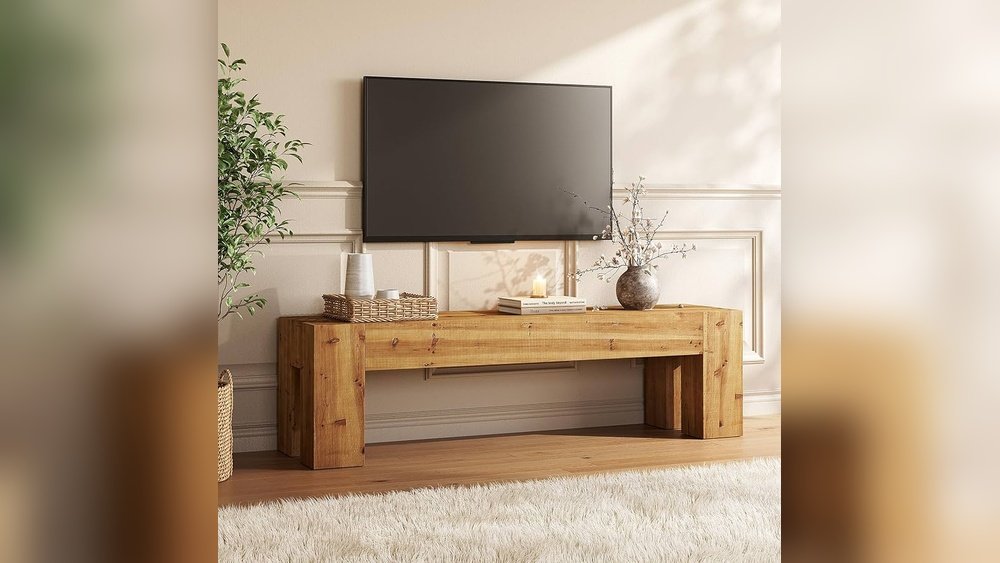
Are Wooden Tv Stands Durable?
The living room is often the heart of a home, and the TV stand takes a central role there. It supports not just the television but also your decor, entertainment devices, and sometimes even family memories. Many people wonder: are wooden TV stands really durable? With so many materials available—glass, metal, engineered wood—it can be hard to decide which offers the best life and value for your money. If you’re thinking about buying a wooden TV stand, or you already have one and want to know how long it will last, this article is for you.
We’ll look deeply at what makes wooden TV stands strong or weak, compare them to other options, and give you tips to help them last even longer. You’ll also learn common mistakes people make and how to avoid them. By the end, you’ll know if a wooden TV stand is the right choice for your home.
What Makes A Wooden Tv Stand Durable?
Durability means how well something stands up to daily use and the test of time. For wooden TV stands, several factors play a role.
Type Of Wood Used
The kind of wood used in a TV stand has a huge impact on its life. There are two main categories:
- Solid wood: This includes hardwoods like oak, maple, walnut, and cherry. These woods are known for their strength and long life. Softwoods like pine are also used but are less durable.
- Engineered wood: These are products like MDF (Medium Density Fiberboard) and plywood. They are made by combining wood fibers or layers with glue. While they can be strong, they usually don’t match the life of solid wood.
Solid hardwood TV stands can last 10-30 years or even longer with proper care. Engineered wood stands may last 5-10 years before showing signs of wear.
Construction Quality
Even the best wood won’t last if the stand is poorly built. Durable wooden TV stands feature:
- Strong joints like dovetail, mortise-and-tenon, or dowel joints
- Thick panels and solid back panels
- Stable base to prevent wobbling
Look for stands that feel heavy, have smooth finishes, and show attention to detail. Cheap stands often use staples or weak glue, which can fail over time.
Finish And Protection
A good finish protects the wood from moisture, stains, and scratches. Common finishes include:
- Lacquer and varnish (hard, shiny layer)
- Oil and wax (softer, natural look)
Some stands also have laminated surfaces for extra scratch resistance, though these can peel if damaged. Stands with poor or thin finishes are more likely to get water rings, stains, or dents.
Usage And Placement
Where and how you use your TV stand affects its lifespan. Placing it in a humid room or direct sunlight can warp or fade the wood. Heavy items, like a large TV, must be well-supported by the stand.
Frequent moving or rough use (kids climbing, bumping with a vacuum) can also shorten its life.
Comparing Wooden Tv Stands To Other Materials
You might be curious how wooden TV stands compare to those made of metal, glass, or plastic. Here’s a simple breakdown to help you decide:
| Material | Durability | Weight Capacity | Maintenance | Style Options |
|---|---|---|---|---|
| Solid Wood | High (10-30+ years) | Very Good | Easy (dust, polish) | Classic, warm |
| Engineered Wood | Medium (5-10 years) | Good | Easy | Modern, versatile |
| Metal | High (20+ years) | Excellent | Easy (wipe down) | Industrial, sleek |
| Glass | Medium (risk of breakage) | Medium | Harder (shows dust, fingerprints) | Modern, light |
| Plastic | Low (3-7 years) | Poor | Easy | Budget, simple |
Solid wood and metal stands are the most durable. Engineered wood is good for those on a budget but won’t last as long. Glass looks elegant but can shatter. Plastic is the least durable but cheapest.
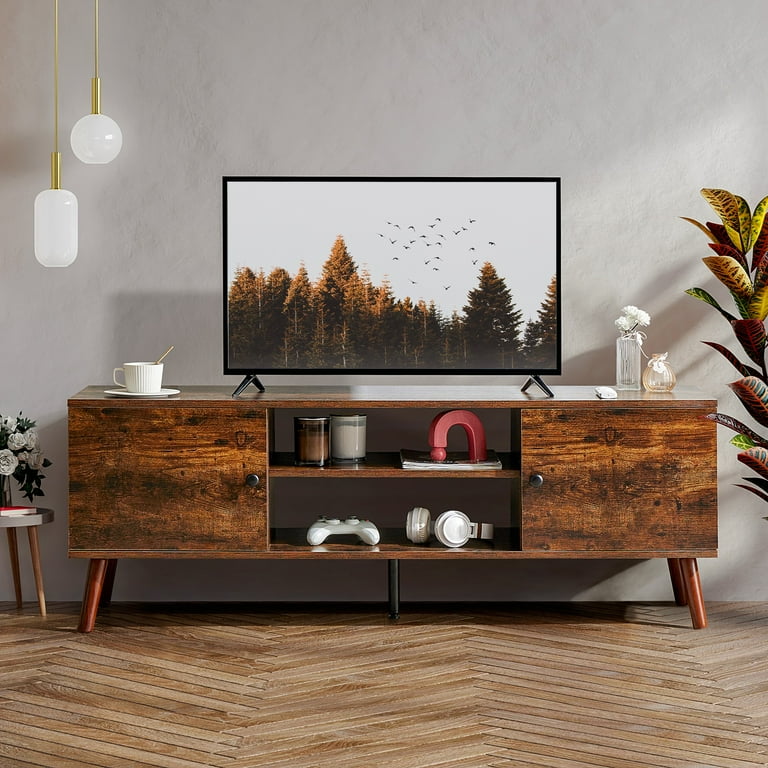
Types Of Wooden Tv Stands And Their Durability
Not all wooden TV stands are the same. Let’s look at the most common types and what you can expect from each:
1. Solid Hardwood Tv Stands
Made from thick pieces of oak, maple, cherry, or walnut, these stands are the gold standard for durability. They resist dents and scratches and can be refinished if the surface is damaged. A solid hardwood TV stand often becomes a family heirloom, lasting decades.
2. Softwood Tv Stands
Softwoods like pine or fir are lighter and less expensive. They are easier to dent and scratch. Still, with good care, they can last 5-15 years. Softwood is a good choice if you want a rustic or casual look.
3. Engineered Wood (mdf, Plywood)
These stands use wood fibers or layers pressed together. They’re stable and affordable but can swell if exposed to water. Edges may chip over time. Most last around 5-10 years with gentle use.
4. Veneer Tv Stands
A thin layer of real wood is glued over cheaper wood or MDF. Veneers look like solid wood but are lighter and cost less. They can peel or chip if bumped. However, a well-made veneer stand can last 8-12 years.
5. Reclaimed Wood Tv Stands
These are made from old barns, ships, or factories. Reclaimed wood is often very strong because it’s already aged. Each piece is unique. Expect a life similar to solid hardwood, but check construction quality.
Key Factors That Affect Longevity
Durability depends not just on materials, but also on how you use and care for your TV stand.
Weight Limit
Every TV stand has a weight limit. Exceeding it can cause shelves to sag or even collapse. Always check the stand’s specs and your TV’s weight. Add the weight of other items like soundbars, game consoles, and books.
For example, a typical solid wood stand can hold 100-200 pounds (45-90 kg) or more. Engineered wood stands often support less—around 50-120 pounds (23-54 kg).
Humidity And Temperature
Wood is sensitive to moisture. High humidity can cause it to expand or warp, while dry air can make it shrink or crack. Keep your TV stand away from direct heat sources (like radiators) and use a humidifier or dehumidifier if needed.
Sunlight
Direct sunlight can fade wood over time. Place your stand out of harsh sunlight, or use curtains and blinds during the brightest hours.
Cleaning And Care
Many people damage their wooden TV stand by using harsh cleaners or letting spills sit too long. Dust weekly with a soft cloth. For deeper cleaning, use a gentle wood cleaner, and always wipe up spills right away.
Movement And Handling
Dragging your TV stand across the floor can loosen joints or scratch the finish. Lift it carefully when moving, and get help for heavy stands.
Common Problems With Wooden Tv Stands
Understanding where things can go wrong helps you make a better decision.
Warping
If wood absorbs moisture unevenly, it can warp or twist. Engineered woods are less likely to warp, but solid wood can be affected in humid climates.
Scratches And Dents
Wood can be scratched by sharp objects or dented if something heavy falls on it. Hardwoods are more resistant, but no wood is scratch-proof.
Water Damage
Leaving wet items (like drinks or plant pots) on the wood can cause stains, swelling, or even rot. Always use coasters and mats.
Loose Joints
Over time, screws and joints can loosen, making the stand unstable. This is more common in cheaper stands with weak joints.
Peeling Veneer
Veneer stands can start to peel if exposed to moisture or bumped often.
How To Make Your Wooden Tv Stand Last Longer
Want your stand to last as long as possible? Here are some expert tips:
- Follow Weight Limits: Never overload shelves or the top surface.
- Use Protective Pads: Place felt pads under devices and decor to avoid scratches.
- Control Room Conditions: Keep humidity around 40-55% for best results.
- Avoid Direct Sunlight: Position your stand away from windows or use curtains.
- Clean Gently: Dust weekly and wipe spills right away.
- Check Joints: Tighten screws or bolts if the stand feels wobbly.
- Lift, Don’t Drag: Always lift your stand when moving it to a new spot.
- Repair Damage Quickly: Fix small scratches with wood markers or polish.
- Refinish if Needed: Solid wood stands can be sanded and refinished to look new.
- Use Coasters: Prevent water rings and stains under drinks or plants.
Two non-obvious tips:
- Rotate your decor and devices occasionally. This prevents one part of the stand from fading or wearing faster than others.
- If you buy a stand in a box, double-check all assembly steps. Many failures happen because screws are left loose or parts are not aligned.
Real-life Examples And Data
Let’s look at a few cases that show how durable wooden TV stands can be.
- Family Heirlooms: Many people still use solid wood stands from the 1970s and 1980s. These pieces have survived moves, new TVs, and decades of use, often needing only minor repairs or refinishing.
- Apartment Test: In one online survey, 75% of people who bought solid wood TV stands said they lasted over 10 years without major problems. Only 35% said the same about engineered wood stands.
- Flood Damage: After a minor flood, several engineered wood stands swelled and fell apart, while a solid oak stand only needed a new finish on the legs.
Data from the furniture industry shows that solid wood furniture, including TV stands, has an average lifespan of 15-30 years. Engineered wood stands average 7-10 years, and plastic models last 3-7 years.
Pros And Cons Of Wooden Tv Stands
To help you decide if wooden TV stands are right for you, here’s a summary of the main advantages and disadvantages:
| Pros | Cons |
|---|---|
| Very durable (especially solid wood) | Can be heavy and hard to move |
| Timeless, classic look | Higher cost for quality models |
| Can be refinished and repaired | Sensitive to humidity and water |
| Good weight support | May scratch or dent |
| Wide range of styles | Needs some maintenance (polishing, dusting) |
When Should You Choose A Wooden Tv Stand?
A wooden TV stand is a great choice if you:
- Want a stand that will last for many years
- Prefer a warm, natural look that fits most decor styles
- Are willing to spend a bit more for quality
- Don’t mind doing basic cleaning and care
You might want a different material if you need something very light, plan to move often, or want the lowest price.
Common Mistakes When Buying Or Using Wooden Tv Stands
Many buyers regret their choice because of these errors:
- Choosing the Wrong Size: Always measure your TV and room before buying. Too small or too large a stand can look awkward and cause stability issues.
- Ignoring Weight Limits: Placing a heavy TV on a weak stand can lead to collapse.
- Not Checking Construction: Don’t buy a stand made only with staples or thin panels.
- Skipping Assembly Steps: Rushed assembly can make the stand wobbly and unsafe.
- Putting in Damp Locations: Basements or rooms with high humidity can damage wood quickly.
- Not Using Coasters: Simple things like coasters prevent expensive damage.
- Forgetting to Maintain: A little care goes a long way—don’t wait until there’s a big problem.
Environmental Impact Of Wooden Tv Stands
Wood is a renewable resource when harvested responsibly. Many people choose wooden TV stands because they can be repaired, refinished, or recycled, unlike metal or plastic stands that may end up in landfills.
Choosing a stand made from certified sustainable wood (look for FSC or PEFC labels) helps protect forests. Reclaimed wood is also a good green choice.
A non-obvious insight: Solid wood stands often have a lower total environmental cost over their lifespan because they last so much longer and can be reused or recycled.
How To Identify A Durable Wooden Tv Stand In The Store
If you’re shopping in person or online, here’s how to spot a stand that will last:
- Check the Weight: Heavier stands often use more real wood.
- Look at the Back: Solid backs add strength and help the stand hold its shape.
- Inspect Joints: Dovetail or mortise-and-tenon joints are best. Visible screws or pegs are better than staples or nails.
- Feel the Finish: It should feel smooth, with no rough spots or splinters.
- Ask About Materials: Salespeople should be able to tell you what type of wood is used and where it was made.
- Look for Reviews: Read what other buyers say, especially about long-term durability.
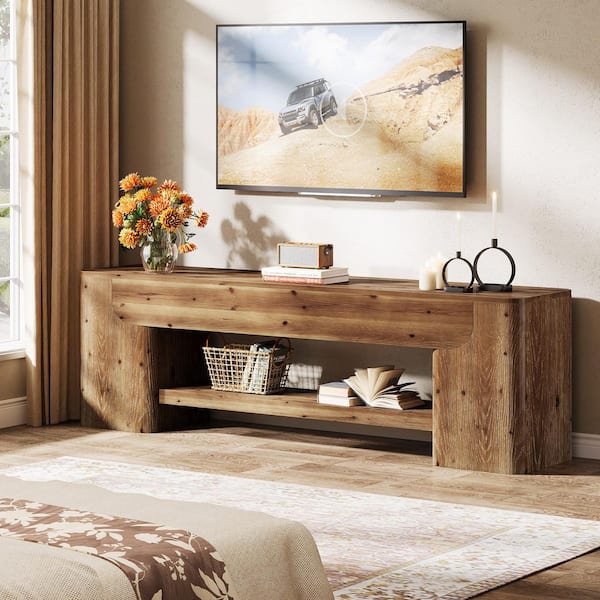
Stylish Trends In Wooden Tv Stands
Wooden TV stands never go out of style. Current trends include:
- Mid-century modern: Simple lines, tapered legs, walnut or teak finishes.
- Rustic/industrial: Reclaimed wood, metal accents, natural textures.
- Minimalist: Clean, flat surfaces, hidden storage.
- Farmhouse: Painted wood, sliding barn doors, distressed finishes.
A well-chosen wooden stand can adapt to changing styles with a new coat of paint or different hardware.
The Bottom Line: Are Wooden Tv Stands Durable?
After all the details, the answer is clear: Yes, wooden TV stands are durable—especially those made from solid hardwood and built with care. They can outlast most other types, support heavy TVs, and look good for decades. Engineered wood stands are less durable but offer a budget-friendly choice for lighter TVs or short-term use.
The key is to choose the right type, follow basic care tips, and avoid common mistakes. If you do, your wooden TV stand will serve your family well for many years.
For more guidance on furniture durability, see this resource from Wikipedia.
Frequently Asked Questions
How Long Do Wooden Tv Stands Usually Last?
Solid wood TV stands can last 10-30 years or more with proper care. Engineered wood stands typically last 5-10 years. The exact life depends on the type of wood, construction, and how you use and maintain the stand.
Can Wooden Tv Stands Hold Heavy Tvs?
Most wooden TV stands, especially those made from solid wood, can support heavy TVs and extra devices. Always check the weight limit given by the manufacturer, and don’t overload the shelves.
Are Wooden Tv Stands Hard To Maintain?
No, they’re easy to maintain. Regular dusting, wiping up spills, and using coasters will keep your stand looking good. Solid wood stands may need polishing once or twice a year.
What Is The Main Disadvantage Of Wooden Tv Stands?
The main downside is sensitivity to moisture and humidity. If not cared for, wood can warp, crack, or stain. Wood stands can also be heavy to move.
How Do I Know If A Wooden Tv Stand Is Good Quality?
Look for solid, heavy construction, strong joints (like dovetail or dowel), smooth finishes, and clear information on the type of wood. Avoid stands with thin panels, weak joints, or unclear materials.
A well-chosen, well-cared-for wooden TV stand is an investment that can serve your home for many years—combining strength, beauty, and value in one essential piece of furniture.