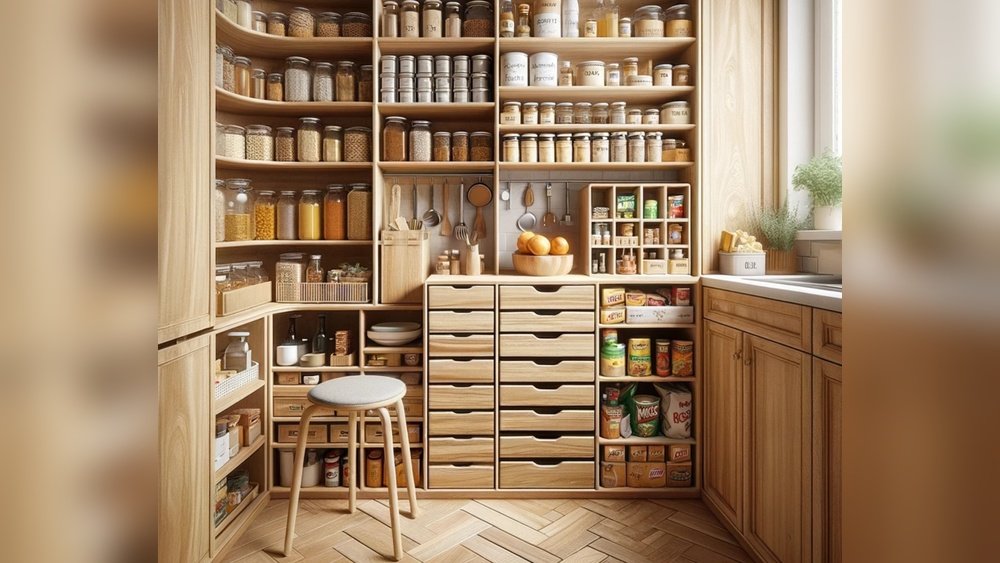
Wooden pantry cabinets have always been a symbol of warmth, elegance, and practicality in kitchens around the world. Many homeowners dream of having a kitchen with beautiful wooden storage, but one big question often stops them: Are wooden pantry cabinets durable? This question matters because kitchen cabinets are a big investment, and nobody wants to replace them every few years. If you are considering wood for your pantry, you probably care about how long it will last, what can damage it, and how it compares to other materials.
This article will help you understand everything about the durability of wooden pantry cabinets. We’ll look at the types of wood used, what really affects their strength, how they perform compared to popular alternatives, and what you can do to make them last longer.
You’ll also find real-life examples, practical advice, and answers to common questions. By the end, you’ll know if wooden cabinets are the right choice for your kitchen and how to keep them looking great for years.
What Makes A Pantry Cabinet Durable?
Durability means more than just lasting a long time. For pantry cabinets, it is about withstanding daily use, moisture, temperature changes, and accidental bumps or spills. The main factors that decide how strong and long-lasting a cabinet is include:
- The type of material (solid wood, plywood, MDF, etc.)
- The quality of construction (joinery, hardware, finish)
- The environment where the cabinet is placed (humidity, sunlight, kitchen activity)
- The maintenance routine (cleaning, protection, repairs)
Pantry cabinets are usually opened and closed many times a day. They hold heavy items like jars, cans, and sometimes even small appliances. Durability is not just about the cabinet frame—it includes doors, shelves, hinges, and finishes.
Types Of Wood Used In Pantry Cabinets
Not all wood is the same. Some types are much stronger and better for cabinets than others. Here are the most common woods used in pantry cabinets, along with their strengths and weaknesses.
Solid Hardwood
Solid hardwood cabinets are made from full pieces of natural wood. Popular choices include oak, maple, cherry, hickory, and walnut. Hardwoods are known for their strength and beautiful grain patterns.
- Oak: Very strong, resists dents, and has a classic look. Oak cabinets can last for decades if cared for properly.
- Maple: Smooth, uniform grain. Maple is tough and less likely to warp.
- Cherry: Softer than oak or maple, but still durable. Cherry darkens with age, giving a rich color.
- Hickory: One of the hardest American woods. Great for high-traffic kitchens.
- Walnut: Stylish and strong, but more expensive. Walnut is less common in pantries.
Solid hardwood cabinets often last 20-50 years or more with proper care.
Plywood
Plywood is made by gluing thin layers of wood together with the grain at right angles. This makes it strong and less likely to warp than solid wood.
- Used for cabinet boxes and sometimes shelves.
- High-quality plywood can be almost as durable as solid wood but costs less.
- Good for areas with changing humidity.
Engineered Wood: Mdf And Particle Board
Medium-density fiberboard (MDF) and particle board are made from wood fibers or chips pressed together with glue.
- MDF is smoother and denser than particle board.
- Both are less expensive but can swell or break if exposed to water.
- Not as durable as solid wood or plywood, but often used for cabinet panels and shelves.
Wood Veneer
Wood veneer cabinets use a thin slice of real wood glued onto a core (often plywood or MDF).
- Gives the appearance of solid wood at a lower cost.
- Durability depends on the core material.
- Veneer can chip or peel if not maintained.
Data Table: Comparison Of Wood Types
To help you compare, here’s a table showing the typical durability, strength, and cost of each wood type used in pantry cabinets.
| Wood Type | Durability (Years) | Strength | Cost Level | Water Resistance |
|---|---|---|---|---|
| Solid Hardwood | 20-50+ | High | High | Medium |
| Plywood | 15-30 | Medium-High | Medium | Medium |
| MDF | 10-20 | Medium | Low-Medium | Low |
| Particle Board | 5-15 | Low | Low | Low |
| Wood Veneer | 10-30* | Depends on Core | Medium | Depends on Core |
*Veneer durability depends on the quality of the base material and the thickness of the veneer.
How Durable Are Wooden Pantry Cabinets Compared To Other Materials?
People often compare wood to alternatives like metal, plastic, or laminate. Each material has its strengths and weaknesses in terms of durability.
Wood Vs. Metal
- Wood is warmer and quieter but can scratch or dent.
- Metal cabinets (like stainless steel) are strong and resist moisture, but they can rust, show fingerprints, and feel cold or industrial.
- Metal is rarely used for home pantries but common in restaurants.
Wood Vs. Laminate
- Laminate is made by bonding plastic to wood or MDF. It resists stains and scratches but may chip or peel at the edges.
- Wood can be sanded and refinished, but laminate usually needs full replacement if damaged.
Wood Vs. Plastic
- Plastic cabinets are cheap, lightweight, and water-resistant, but they can crack, fade, or warp over time.
- Wood feels more solid and holds more weight.
Table: Durability Comparison
Here’s a quick look at how popular pantry cabinet materials compare for durability, repairability, and life span.
| Material | Durability | Repairability | Typical Lifespan (Years) |
|---|---|---|---|
| Solid Wood | High | Easy to Refinish | 20-50+ |
| Plywood | Medium-High | Can Repair | 15-30 |
| Laminate | Medium | Difficult | 10-20 |
| Metal | Very High | Can Dent | 20-40 |
| Plastic | Low-Medium | Not Repairable | 5-15 |
Real-life Performance: What Affects The Durability Of Wooden Pantry Cabinets?
Even the best wood can fail if not handled well. Here are the main factors that impact how long your cabinets last.
Humidity And Moisture
Wood naturally expands and contracts with changes in moisture. High humidity can cause swelling, while low humidity can make wood shrink or crack. Pantries near sinks, dishwashers, or windows face extra risk.
- Solid wood handles these changes better than MDF or particle board.
- Proper sealing and finishes protect wood from moisture.
- Placing a dehumidifier in damp kitchens can prevent warping.
Temperature Changes
Kitchens often get hot. Sudden temperature shifts can weaken wood over time, especially if the cabinet is close to ovens or stoves.
- Using insulating pads or heat shields can help.
- Keeping cabinets away from direct heat sources increases their life.
Wear And Tear
Daily use means doors get slammed, shelves hold heavy items, and surfaces get scratched. Over time, even hard wood can develop dents and marks.
- Harder woods like oak or hickory resist dents.
- Soft-close hinges and quality hardware reduce stress on the cabinet frame.
Sunlight Exposure
Direct sunlight can fade wood or make the finish peel. Some woods, like cherry, change color with age.
- Use UV-protective finishes to slow fading.
- Curtains or blinds can help if your pantry is near a window.
Cleaning And Maintenance
Many people damage their cabinets by using harsh cleaners or too much water.
- Clean with a soft cloth and mild soap.
- Dry surfaces quickly to avoid moisture damage.
- Reapply finish or polish every few years for extra protection.
Pests
Termites, carpenter ants, and wood-boring beetles can damage wooden cabinets, especially in warm, humid areas.
- Inspect regularly for tiny holes or wood dust.
- Treat with insect-resistant coatings if needed.
Practical Tips To Make Wooden Pantry Cabinets Last Longer
If you want your cabinets to stay strong and beautiful for decades, these tips will help:
- Choose the right wood: Hardwoods are best for high-use areas.
- Seal all surfaces: Use quality finishes to block moisture and stains.
- Install quality hardware: Cheap hinges or handles can fail before the cabinet does.
- Avoid overloading shelves: Heavy items can cause sagging, especially on wide shelves.
- Use shelf liners: Protect the wood from spills and scratches.
- Clean up spills quickly: Water, oil, or vinegar can damage the finish.
- Keep humidity stable: Use a kitchen exhaust fan and avoid letting the air get too damp or dry.
- Repair minor damage fast: Small scratches or chips are easy to fix if caught early.
- Check for pests: Especially if you live in an area with termites.
- Re-finish every few years: A new coat of varnish or paint can add years of life.
Common Myths And Mistakes About Wooden Pantry Cabinets
People often believe things about wood cabinets that are not true. Knowing the facts can help you make better choices.
Myth 1: All Wood Cabinets Are The Same
Many think that all wood is equally strong. In reality, softwoods like pine are much less durable than hardwoods. Always check which wood your cabinet is made from.
Myth 2: Wood Is Too High-maintenance
While wood does need care, modern finishes make it easy to clean and protect. Most problems come from neglect, not the material itself.
Myth 3: You Can’t Fix Scratches Or Dents
Unlike laminate or plastic, wood can be sanded and refinished many times. Small problems rarely mean you need a new cabinet.
Common Mistake: Using The Wrong Cleaner
Many people use strong chemicals or too much water, which damages the finish and the wood. Stick to mild soaps and soft cloths.
Common Mistake: Ignoring Small Problems
A small chip or loose hinge can become a big problem if ignored. Quick repairs save money and keep cabinets strong.
Case Studies: How Long Do Wooden Pantry Cabinets Last In Real Homes?
Let’s look at real examples of wooden pantry cabinets in action.
Family Kitchen In A Humid Climate
A family in Florida installed solid oak pantry cabinets 18 years ago. They chose a water-resistant polyurethane finish and kept the kitchen well-ventilated. Despite the humid air, their cabinets show only minor wear—just a few scratches near the handles. Regular cleaning and quick repairs made a big difference.
Rental Apartment With Mdf Cabinets
In a busy rental, MDF pantry cabinets were installed to save money. After 7 years, the doors started to swell and crack near the sink, mostly due to water splashes and no sealing. The landlord now replaces them every 8-10 years.
Historic Home Restoration
A 1920s house in the Midwest had original maple cabinets. After 100 years, the cabinets were still solid but needed new hardware and a fresh finish. The owners sanded and refinished the doors, and the cabinets look nearly new. This shows the power of quality wood and regular care.
The Environmental Side: Are Wooden Pantry Cabinets Sustainable?
Durability is not just about strength—it’s also about the environment. Long-lasting cabinets mean less waste. Here’s what matters:
- Sustainably harvested wood (like FSC-certified) helps protect forests.
- Wood cabinets can be recycled, reused, or refinished instead of going to the landfill.
- Many modern finishes are low-VOC, making them safer for your home.
Engineered woods use leftover wood fibers, reducing waste, but some glues contain chemicals. Always ask about the source and treatment of your cabinet wood.
The Value Of Wooden Pantry Cabinets
Many people wonder if wooden cabinets are worth the extra cost. Here’s why they often are:
- Higher home value: Real estate agents say that kitchens with wood cabinets often sell faster and for more money.
- Better resale value: Quality wood cabinets can be refinished to match new styles, unlike plastic or laminate.
- Timeless look: Wood never goes out of fashion.
Non-obvious Insights: What Most People Miss
- Finish quality matters more than the wood itself: Even cheap wood can last longer with a top-quality finish, while expensive hardwood can rot if not sealed well.
- Joinery techniques impact durability: Cabinets with dovetail joints or mortise-and-tenon construction hold up better than those held together with just glue or nails.
- Humidity control is a secret weapon: Many cabinet problems come from air that’s too dry or too wet. A small humidity monitor in your kitchen can warn you before damage happens.
When Wooden Pantry Cabinets May Not Be The Best Choice
Despite their strengths, wood cabinets are not always the right answer. You may want to avoid them if:
- Your kitchen is very damp and can’t be ventilated well.
- You need cabinets for a garage, basement, or outdoor kitchen (where metal or plastic may be better).
- You want a no-maintenance option (laminate or metal cabinets need less care).
How To Choose The Most Durable Wooden Pantry Cabinet
If you decide wood is right for you, here’s how to pick the best option for long life:
- Select hardwood over softwood: Oak, maple, and hickory are safest.
- Check the construction quality: Look for solid frames, dovetail joints, and smooth finishes.
- Ask about the finish: Polyurethane and catalyzed varnishes are strong.
- Inspect hardware: Hinges, handles, and drawer slides should feel solid and smooth.
- Choose a reputable brand or maker: Read reviews and ask about warranty.
- Consider your kitchen’s environment: If you have lots of steam or sunlight, tell your installer.
- Plan for maintenance: Budget time for cleaning and refinishing every few years.
Frequently Asked Questions
Are Wooden Pantry Cabinets Waterproof?
No, wooden pantry cabinets are not naturally waterproof. However, with the right finish (such as polyurethane or marine varnish), they can resist water and humidity very well. You should always wipe up spills quickly and avoid letting water sit on the surface.
How Long Do Wooden Pantry Cabinets Usually Last?
Solid hardwood cabinets often last 20-50 years or more, depending on care and use. Plywood cabinets can last 15-30 years. Cabinets made from MDF or particle board typically last 10-20 years with good maintenance.
Can Scratches And Dents In Wood Cabinets Be Repaired?
Yes, most scratches and dents in wooden cabinets can be sanded and refinished. For deep dents, wood filler can be used, then sanded smooth and stained to match. This is a key advantage over laminate or plastic cabinets.
Are Wooden Pantry Cabinets Safe For Food Storage?
Yes, wooden pantry cabinets are safe for food storage if kept clean and dry. Make sure to use shelf liners for open food packages. In humid climates, check for mold or pests regularly.
How Do I Know If My Cabinets Are Real Wood Or Veneer?
Look at the grain pattern on the edges and inside the cabinet. Solid wood will show continuous grain, while veneer may show a thin layer over a different core. Tap lightly—veneer over MDF will sound less solid than real wood. If you’re unsure, ask a professional installer or carpenter.
Final Thoughts
Wooden pantry cabinets offer a unique blend of strength, beauty, and long life—if you choose the right materials and care for them properly. They’re not the cheapest option, but their ability to be repaired, refinished, and enjoyed for decades makes them a smart investment for many homes.
Remember, the real secret to durability is not just the wood itself, but the quality of finish, hardware, and how you protect your cabinets from daily kitchen life. If you want a timeless look and don’t mind a little maintenance, wooden pantry cabinets can serve your family well for generations.
For more details about wood types and cabinet durability, you can visit the Wikipedia Kitchen Cabinet page, which offers in-depth background and standards.
Choosing the right pantry cabinet is about more than style—it’s about making a choice that will stand strong in your home for many years to come. With the knowledge from this guide, you’re now ready to make that choice with confidence.