Are Wooden Buffet Cabinets Durable?
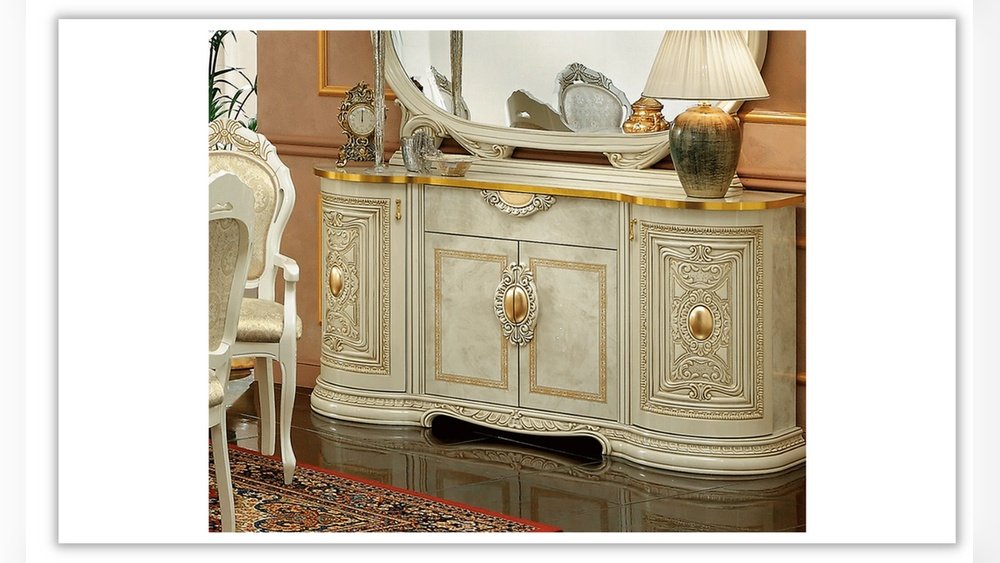
A buffet cabinet can be the centerpiece of a dining room, a quiet hero in a hallway, or the practical workhorse in a living space. These cabinets are not just for storing plates or cutlery—they often hold family memories, heirlooms, and sometimes even secrets. When choosing one, many people wonder: are wooden buffet cabinets durable enough to last for years, or even generations? With so many furniture materials out there, it’s important to understand how wood stands up to everyday life, what affects its lifespan, and how to get the best value for your money.
Durability is more than just about not breaking. It’s about how a piece resists scratches, moisture, weight, and the bumps of daily use. If you’re thinking about buying a buffet cabinet, or you already have one and want to keep it looking good, this guide will give you all the details—without confusing jargon. We’ll look at types of wood, construction details, care tips, and even the downsides that sometimes get overlooked. By the end, you’ll know exactly what to expect from a wooden buffet cabinet and how to make a smart, lasting choice.
What Makes A Buffet Cabinet “durable”?
Durability, in furniture, means more than just surviving. It’s about staying strong, stable, and beautiful through years of daily use. For wooden buffet cabinets, several things come together to create true durability:
- Material strength: The type of wood and how it’s treated.
- Construction quality: The way joints are made, how parts fit, and the hardware used.
- Finish: The protective coatings that shield against moisture, heat, and scratches.
- Environmental resistance: How well the cabinet stands up to humidity, temperature changes, and pests.
- Maintenance needs: How easy it is to clean, repair, and refinish.
Let’s break each of these down to see how they affect the lifespan and performance of a wooden buffet cabinet.
Types Of Wood: Hardwoods Vs. Softwoods
The kind of wood used in a buffet cabinet matters a lot. Not all wood is equal—some types last longer, resist damage better, and handle daily life with more style.
Hardwoods
Hardwoods come from broad-leaf trees like oak, maple, walnut, and cherry. These woods are usually denser, making them more resistant to dents and scratches. Because of this, many high-quality buffet cabinets are made from hardwood.
Popular hardwoods for buffet cabinets include:
- Oak: Known for its strength and visible grain. Oak cabinets can last for decades and often become family heirlooms.
- Maple: Smooth texture and high durability. Maple resists warping and is less likely to swell in humidity.
- Walnut: Offers rich color and elegance, with strength to match.
- Cherry: Gets darker with age, developing a deep, warm glow.
Softwoods
Softwoods come from needle-leaf trees like pine, fir, and cedar. While some softwoods can be quite strong, they’re generally more prone to dents and scratches. Pine is a popular choice because it’s affordable and easy to work with, but it may show signs of wear sooner than hardwood.
Engineered Woods
Some buffet cabinets use engineered wood like plywood, MDF (medium-density fiberboard), or particleboard. These can be more affordable but aren’t as durable as solid hardwood. They may not hold screws as well, and moisture can cause swelling or damage over time.
Comparing Wood Types
Here’s a quick look at how different woods compare for buffet cabinets:
| Wood Type | Durability | Scratch Resistance | Moisture Resistance | Typical Lifespan |
|---|---|---|---|---|
| Oak (Hardwood) | High | High | Good | 50+ years |
| Maple (Hardwood) | Very High | Very High | Excellent | 60+ years |
| Pine (Softwood) | Moderate | Low | Fair | 15-30 years |
| Plywood (Engineered) | Depends on quality | Medium | Varies | 10-25 years |
Non-obvious tip: Many people think only solid hardwood is durable. However, high-quality plywood with a hardwood veneer can sometimes outperform low-grade solid wood in terms of warping and stability. The secret is in construction and finish.
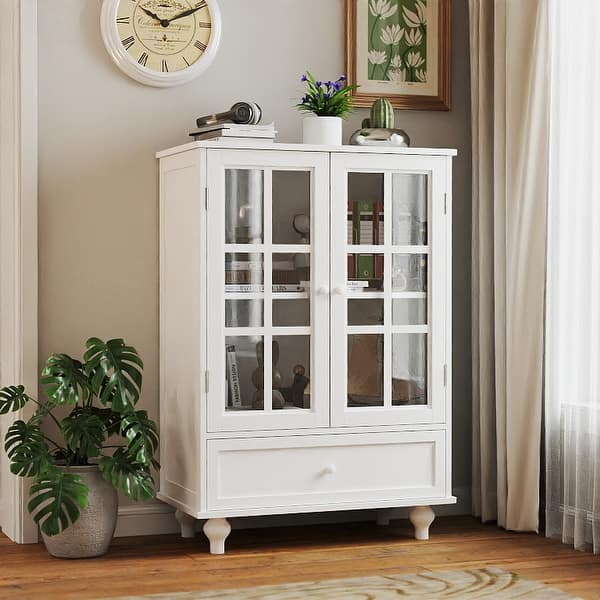
Construction Quality: It’s All In The Details
Even the best wood can fail if the cabinet is poorly built. Good construction quality means the cabinet stays sturdy, doors and drawers keep working, and joints don’t loosen over time.
Joinery Techniques
How the pieces of wood are joined is a key factor. Common techniques include:
- Mortise and tenon: Classic, strong joints seen in fine furniture.
- Dovetail: Used for drawers, these interlocking joints resist pulling apart.
- Dowels: Small wooden pins add strength, but not as strong as dovetail.
- Corner blocks: Added to reinforce corners, helping cabinets resist twisting.
Cheap cabinets often use staples or nails alone, which can loosen quickly. Look for visible, well-made joints for better durability.
Hardware And Fittings
Quality hinges, drawer slides, and handles matter, too. Metal hardware should feel solid, not loose or flimsy. Soft-close features are a bonus, as they reduce slamming and wear.
Back Panels And Shelving
A thick, solid back panel helps a buffet cabinet hold its shape. Shelves should be at least ¾ inch thick to prevent sagging, especially if you store heavy dishes.
Non-obvious tip: Removable or adjustable shelves can sometimes be a weak spot if not properly supported. Check for shelf clips or brackets that feel tight and sturdy.
Protective Finishes: The Shield Against Everyday Life
A wooden buffet cabinet faces spills, humidity, heat from serving dishes, and the occasional scratch. The protective finish is what stands between the wood and damage.
Types Of Finishes
- Lacquer: Dries hard, giving good scratch and moisture resistance.
- Polyurethane: Very tough, found on many modern cabinets. Available in glossy or satin.
- Oil finishes: Like tung or linseed oil, soak into the wood. They look natural but need regular reapplication.
- Wax: Gives a soft shine and some water protection but scratches easily.
Why Finishes Matter
A strong finish:
- Prevents stains from food, drink, and oils.
- Helps resist scratches and dents.
- Protects against sun fading and heat.
But no finish is perfect. Over time, even the best surface can wear down, especially on high-touch areas like drawer fronts and cabinet tops.
Practical insight: Always use coasters or mats under hot dishes and clean spills quickly, even with a tough finish. This simple habit can add years to your cabinet’s life.
Environmental Factors: How Wood Responds To The World
Wood is a natural material. It expands in humidity and contracts in dry air. This “breathing” is normal, but it can cause problems if not managed.
Humidity And Temperature
- High humidity can cause swelling, making doors and drawers stick.
- Low humidity can shrink wood, creating gaps or even cracks.
- Sudden changes (like moving a cabinet from a dry room to a damp one) are hardest on wood.
To keep your buffet cabinet happy:
- Maintain steady indoor humidity (ideally 40–55%).
- Avoid placing cabinets next to radiators, fireplaces, or air conditioners.
Sunlight Exposure
Direct sunlight can fade finishes and dry out wood. Place your buffet cabinet out of strong sunlight, or use curtains to protect it.
Pests
Termites and wood-boring beetles can attack wooden cabinets. While this is rare with modern finishes and indoor use, it’s a risk in very humid or rural areas. If you see small holes or powder near the cabinet, act quickly.
Experience-based tip: Place felt pads under the cabinet legs to prevent moisture from floors seeping into the wood—especially on tile or concrete.
Comparing Wooden Cabinets To Other Materials
Many buyers wonder if they should choose wooden buffet cabinets or go for metal, glass, or plastic options. Each material has strengths and weaknesses.
Here’s a quick comparison:
| Material | Durability | Maintenance | Appearance Over Time | Repairability |
|---|---|---|---|---|
| Solid Wood | Very High | Moderate | Improves/Patinas | Easy to repair/refinish |
| Metal | High (can dent/rust) | Low | May scratch/rust | Harder to repair |
| Glass | Medium (can break) | High (shows fingerprints) | Stays clear, can scratch | Difficult/expensive |
| Plastic/Laminate | Low to Medium | Low | Can discolor, crack | Not repairable |
While other materials may be easier to clean, wood’s ability to be repaired and refinished gives it a clear advantage. A scratch on plastic is permanent, but on wood, it can often be sanded out and refinished.

How Long Does A Wooden Buffet Cabinet Really Last?
The lifespan of a wooden buffet cabinet depends on the wood, build quality, and care. Well-made hardwood cabinets can last 50 years or more. Many antique buffet cabinets are over a century old and still in daily use.
Softwood or engineered wood cabinets may last 10–30 years, especially if used gently. Poor-quality cabinets, or those exposed to moisture or sun, might only last a few years before needing repair or replacement.
Interesting example: In many families, a wooden buffet cabinet is handed down from one generation to the next. The secret is regular care, gentle cleaning, and sometimes a new coat of finish.
Everyday Maintenance Tips To Maximize Durability
Even the best buffet cabinet needs a bit of care. Here’s how to keep yours in top shape:
- Dust regularly with a soft, dry cloth. Avoid feather dusters, which can scratch.
- Clean spills quickly. Water, wine, and oils can stain if left too long.
- Use gentle cleaners. Never use harsh chemicals or abrasive pads. A damp cloth with a little mild soap is usually enough.
- Polish occasionally. Use furniture polish or wax recommended for your cabinet’s finish.
- Check hardware. Tighten loose hinges or handles before they cause damage.
- Protect from heat and sunlight. Use mats, trivets, and curtains as needed.
- Avoid overloading shelves. Heavier items should be placed on the bottom shelf.
Non-obvious insight: When moving a buffet cabinet, always empty the drawers and shelves. Lifting a full cabinet can twist the frame or break joints.
Common Weaknesses And How To Avoid Them
No material is perfect. Wooden buffet cabinets can have weak spots:
- Water damage: Overflowing plants, leaky vases, or wet cleaning can cause swelling or stains.
- Surface scratches: Pets, keys, and dishes can leave marks. Use protective mats or runners.
- Loose joints: Over time, joints can loosen, especially if the cabinet is moved often.
- Warping and cracking: Extreme dryness or humidity can cause problems. Use a humidifier or dehumidifier if your area has big seasonal changes.
Most of these issues are preventable with good habits and regular checks.
Myths And Misconceptions About Wooden Buffet Cabinet Durability
Some common beliefs about wooden cabinets aren’t quite true:
- “Wood is too high-maintenance.” In reality, a quick dust and occasional polish is usually enough. Laminate and plastic can show dirt and scratches just as easily.
- “Softwoods are always weak.” While pine dents easily, some softwoods (like fir) can be surprisingly strong if well-built and cared for.
- “Engineered wood is junk.” High-quality plywood, especially with hardwood veneers, can be very durable—sometimes more than cheap solid wood.
- “All scratches are bad.” Some owners like the look of a little wear, which can add character. Deep gouges can be filled and refinished.
Environmental Impact And Sustainability
Choosing a wooden buffet cabinet also means thinking about the environment. Wood is renewable if harvested responsibly. Many companies now use FSC-certified (Forest Stewardship Council) wood, meaning it comes from well-managed forests.
Buying a durable cabinet means you replace it less often, reducing waste. And when a wooden cabinet finally reaches the end of its life, it can be recycled or repurposed—unlike most plastic furniture.
For more on sustainable furniture choices, see this guide from the World Wildlife Fund.
When Is A Wooden Buffet Cabinet Not The Best Choice?
While wood is often the best long-term value, there are times when another material might be better:
- High-moisture areas: Basements or bathrooms can be tough on wood. Metal or plastic may be better here.
- Frequent moves: If you move often, a lighter, cheaper cabinet might make sense—hardwood is heavy.
- Budget constraints: Solid hardwood cabinets can be expensive. Engineered wood or high-quality laminate might be more affordable for short-term needs.
How To Choose A Durable Wooden Buffet Cabinet
If you want a cabinet that lasts, here’s what to look for:
- Solid hardwood construction: Or at least a hardwood frame with veneer panels.
- Strong joinery: Dovetails, mortise and tenon, or reinforced corners.
- High-quality finish: Polyurethane or lacquer for best protection.
- Sturdy hardware: Metal hinges, soft-close features, and solid handles.
- Thick shelves and back panel: At least ¾ inch for shelves, ½ inch for the back.
- Sustainable sourcing: FSC-certified or reclaimed wood if possible.
Visit stores in person if you can. Open doors and drawers, check for wobbles, and look closely at joints. A good wooden buffet cabinet will feel solid, not flimsy.
Real-life Examples: Durability In Action
- Antique oak buffets: Many are 80–120 years old and still used daily. They often show scratches and wear, but the structure remains solid.
- Mid-century modern cabinets: Made from teak or walnut, these pieces are often refinished and resold, proving lasting value.
- Modern engineered wood cabinets: With high-quality plywood and a strong finish, some have lasted 20+ years with little wear.
Customer story: One family in Boston bought a maple buffet cabinet in the 1970s. After 50 years, it’s still the heart of their dining room—proof that good wood and care really do pay off.

Frequently Asked Questions
How Can I Tell If A Buffet Cabinet Is Made From Solid Wood Or Veneer?
Look at the edges and inside the drawers. Solid wood will show grain all the way through, while veneer will have a thin layer of wood on top of another material. Tap on the surfaces—solid wood sounds heavier, while veneer over particleboard may sound hollow.
Are Wooden Buffet Cabinets Safe From Pests Like Termites?
Most indoor wooden cabinets are safe, especially with modern finishes. However, in humid climates or rural areas, there is a risk. Regular cleaning and keeping the cabinet dry help prevent problems. If you see sawdust or small holes, call a pest expert immediately.
Can Scratches And Dents On A Wooden Buffet Cabinet Be Repaired?
Yes, most scratches and small dents can be repaired. For light scratches, use a matching color wood marker or polish. Deeper dents can sometimes be removed with steam or wood filler, then refinished. It’s one of the advantages of wood over other materials.
What’s The Best Way To Protect A Wooden Buffet Cabinet From Water Damage?
Always use coasters or mats under plants, drinks, or hot dishes. Wipe up spills immediately, and avoid placing the cabinet in damp areas. Make sure the finish is in good condition, and consider adding felt pads under objects to catch drips.
Is It Worth Paying More For A Hardwood Buffet Cabinet?
If you want a piece that lasts for decades or becomes a family heirloom, hardwood is usually worth the extra cost. It’s stronger, more repairable, and keeps its value better than softwood or engineered wood. For short-term or budget use, high-quality plywood can be a good compromise.
A wooden buffet cabinet, when chosen well and cared for, can be a lasting part of your home—standing up to daily life, changing styles, and even the test of time. With a little knowledge and attention, you can enjoy both the beauty and the durability of real wood for many years to come.