Many kitchens today feel crowded. Food packages pile up, counters get messy, and finding ingredients becomes stressful. For anyone who cooks or wants to keep food organized, this chaos is a daily challenge. One solution more people are considering is the pantry storage cabinet. But is buying one really worth the investment and space? Or is it just another piece of furniture that promises a lot and delivers little?
This article takes a deep look at pantry storage cabinets. You’ll learn what they are, how they improve your kitchen, the real pros and cons, how they compare to other storage options, and what to consider before buying. By the end, you’ll have a clear, practical answer on whether pantry cabinets deserve a place in your home.
What Is A Pantry Storage Cabinet?
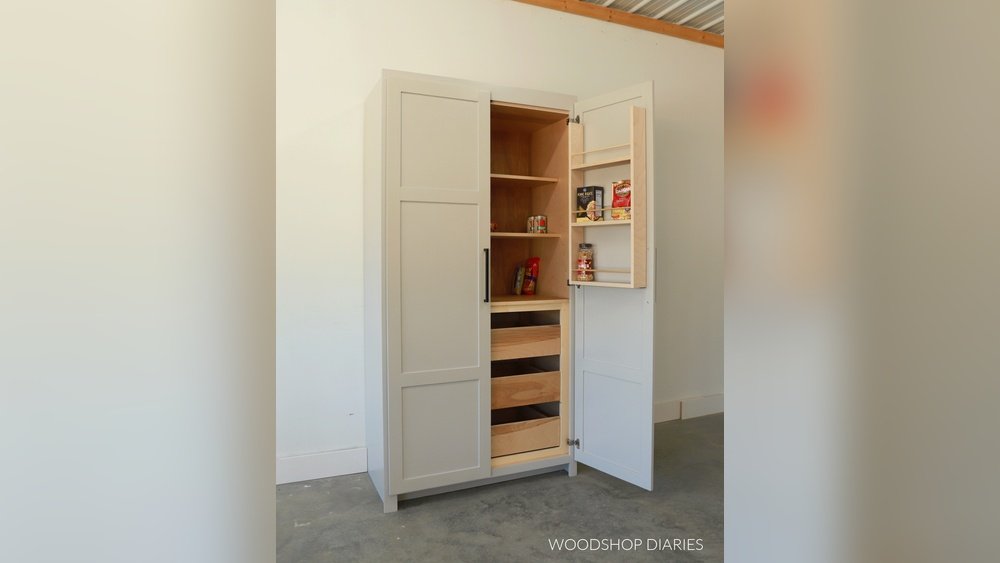
A pantry storage cabinet is a tall, enclosed piece of furniture designed to store food, kitchen supplies, and sometimes small appliances. Unlike regular kitchen cabinets, pantry cabinets are usually freestanding or built-in, offer more vertical storage, and can be placed almost anywhere in your kitchen or dining area.
There are several types:
- Freestanding pantry cabinets: Stand alone, can be moved if needed.
- Built-in pantry cabinets: Installed with the kitchen, often reach from floor to ceiling.
- Corner pantry cabinets: Fit into kitchen corners, make use of unused space.
- Slim or pull-out pantries: Narrow, often fit between appliances or in small gaps.
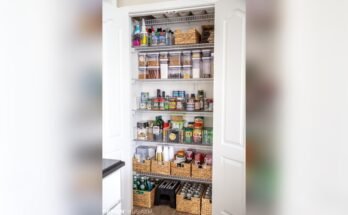
Most have adjustable shelves, doors to keep food out of sight, and sometimes drawers or baskets.
Why Do People Buy Pantry Cabinets?
1. Extra Storage
The main reason is extra storage. Modern kitchens often have limited space, especially in apartments or older homes. A pantry cabinet increases storage without major renovations.
2. Organization
A well-designed cabinet helps you organize food by type, date, or size. This means less wasted food and faster meal prep. You can easily see what you have—no more buying things you already own.
3. Cleanliness
Cluttered countertops are hard to clean. A pantry cabinet hides food items, reducing dust and spills. It also keeps food safe from pests and sunlight.
4. Flexibility
Pantry cabinets come in many sizes and styles. You can pick one that fits your needs and move it if you change your kitchen layout.
5. Value Added
A nice pantry cabinet can make your kitchen look better and even increase home resale value, since buyers love organized, spacious kitchens.
The Pros: What Makes Pantry Cabinets Worth Considering?
Maximizing Vertical Space
Most kitchens have unused vertical space. Pantry cabinets use height, not just width, to store items. For example, a 6-foot tall cabinet with five shelves can hold dozens of cans, boxes, and jars—freeing up other cabinets for pots and dishes.
Reducing Food Waste
When food is scattered in different cabinets, it’s easy to forget what you have. A pantry cabinet helps you see everything at once. Studies have shown that organized storage reduces food waste by up to 20%. For a family of four, this could save hundreds of dollars per year.
Easier Meal Prep
With a pantry cabinet, you can group items by type—baking supplies, snacks, breakfast foods, etc. This means less time searching for ingredients and more time cooking.
Flexible Placement
Unlike built-in cabinets, freestanding pantry cabinets can go almost anywhere. Some people put them in the dining room, hallway, or even the garage for extra bulk storage.
Stylish Options
Modern pantry cabinets come in many finishes—wood, metal, white, black, glass-fronted—so you can match your kitchen style. Some even have chalkboard doors for notes or shopping lists.
The Cons: Downsides And Things To Watch Out For
Takes Up Floor Space
Pantry cabinets can be large. In a very small kitchen, they may block pathways or make the room feel crowded.
Price
Quality pantry cabinets can cost from $100 to over $1,000 depending on size, material, and features. Cheaper models may not last as long.
Assembly Required
Most cabinets require at least some assembly. Instructions can be confusing, and the process may take several hours. Heavy cabinets may need two people to move.
Can Hide Clutter
If not organized, a pantry cabinet can become a hidden mess behind closed doors. You need to keep it tidy to enjoy the benefits.
Not Always Custom Fit
Freestanding cabinets may not fit perfectly with your kitchen cabinets or décor. Gaps or mismatched styles can look out of place.
How Pantry Cabinets Compare To Other Storage Solutions
It’s helpful to see how pantry cabinets stack up against other options. The table below compares pantry cabinets, regular kitchen cabinets, and open shelves:
| Feature | Pantry Cabinet | Kitchen Cabinet | Open Shelves |
|---|---|---|---|
| Storage Volume | High | Medium | Low-Medium |
| Visibility | Medium | Low | High |
| Protection (Dust/Pests) | High | High | Low |
| Flexibility | High | Low | High |
| Cost | Medium-High | High | Low |
| Style Options | Many | Few | Many |
This shows pantry cabinets offer more storage and flexibility than regular cabinets, and better protection than open shelves. But they do cost more.
Common Materials And Their Impact
Pantry cabinets are made from different materials. Each affects price, durability, and appearance.
- Solid wood: Strong, looks classic, but usually expensive and heavy.
- Engineered wood (MDF, particleboard): Affordable, lighter, comes in many finishes, but less durable if exposed to water.
- Metal: Modern look, very durable, often used in commercial or industrial kitchens.
- Plastic or laminate: Cheap, easy to clean, not as strong or stylish.
A non-obvious tip: Engineered wood with a laminate coating gives you the look of real wood but resists stains and costs less. However, be careful with water near particleboard—it can swell and warp.

Real-life Examples: Who Benefits Most?
Families With Kids
Kids’ snacks, cereals, and lunch supplies add up fast. A pantry cabinet keeps everything in one place, at eye level for kids to help themselves (or out of reach, if you use higher shelves).
Apartment Dwellers
Many apartments have small kitchens with few cabinets. A slim pantry cabinet can double your storage without drilling into walls.
Home Cooks And Bakers
If you cook often, you know how many ingredients you need. Grouping flour, sugar, spices, and canned goods together makes baking smoother.
People Who Buy In Bulk
Buying rice, pasta, or canned goods in bulk saves money. But where do you put those big packages? A pantry cabinet holds large items that don’t fit in regular cabinets.
Seniors And People With Mobility Needs
Reaching into deep base cabinets can be hard. Pantry cabinets let you store items at a comfortable height, reducing bending or stretching.
Key Features To Consider Before Buying
Not all pantry cabinets are created equal. Here’s what really matters:
- Size and Dimensions: Measure your space. Account for doors opening and walkways.
- Shelf Adjustability: Adjustable shelves fit tall bottles or small cans.
- Weight Capacity: Some shelves can only hold light items—check ratings if you store heavy jars.
- Door Type: Solid doors hide clutter; glass doors show off organization.
- Drawers and Baskets: Good for small items like spices or snacks.
- Assembly and Maintenance: Pre-assembled costs more but saves time.
- Material and Finish: Pick what matches your kitchen and is easy to clean.
A smart move: Tape a rectangle on your floor the size of the cabinet you want. Walk around it for a day to see if it fits your routine.
The True Cost Of Pantry Cabinets
Buying a pantry cabinet is more than just the price tag. Consider these costs:
- Purchase price: $100 (basic) to $1,000+ (custom or solid wood).
- Assembly tools: You may need a screwdriver or drill.
- Delivery: Some large cabinets need special delivery (extra fee).
- Maintenance: Cheap cabinets may need repairs or replacement sooner.
But also consider time saved searching for food, and money saved avoiding food waste. Over three years, a $300 cabinet that helps reduce waste by $100/year pays for itself.
Common Mistakes When Buying Pantry Cabinets
Many first-time buyers make these errors:
- Ignoring measurements: A cabinet that’s too deep or tall can block windows or doors.
- Not checking shelf adjustability: Fixed shelves can waste space or limit what you store.
- Choosing style over function: Glass doors look nice but show every mess.
- Buying too cheap: Weak shelves may bow or break under weight.
- Not considering future needs: Family size and cooking habits can change.
An insight: Always open the cabinet’s doors and drawers (in-store or virtually) to see how much space you really get. Photos can be misleading.
How To Organize A Pantry Cabinet For Maximum Efficiency
A cabinet is only as useful as how you use it. Here are practical tips:
- Zone your shelves: Put breakfast foods together, baking supplies in one spot, snacks on another shelf.
- Use baskets and bins: Group small items to avoid losing them at the back.
- Label shelves or bins: Simple labels help everyone put things back in the right place.
- First In, First Out (FIFO): Rotate older items forward to use them first and prevent waste.
- Keep often-used items at eye level: Reserve lower or higher shelves for less-used goods.
A non-obvious tip: Store heavy items on lower shelves to prevent accidents, especially if you have children.
When Is A Pantry Storage Cabinet Not Worth It?
Pantry cabinets are great, but not for everyone. They may not be worth buying if:
- Your kitchen has enough built-in storage: No need to add more bulk.
- You have very limited floor space: May block movement or make cleaning harder.
- You don’t cook much or buy in bulk: Little to store means little benefit.
- You plan a kitchen remodel soon: Wait to see what storage you’ll have after.
If you only need a little extra space, wall-mounted shelves or small carts might be smarter.
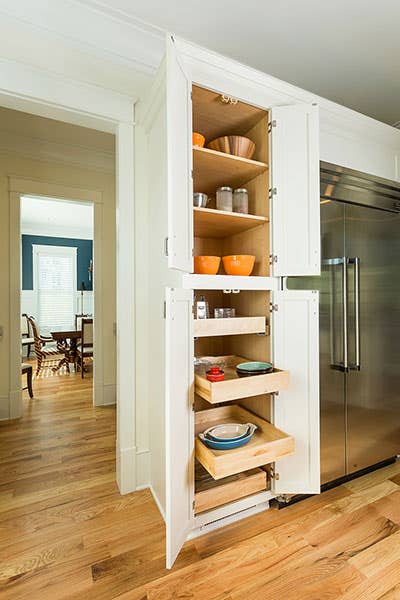
Trends: Modern Pantry Cabinet Designs
Kitchen design is always changing. Here are some popular pantry cabinet trends:
- Pull-out shelves: Let you see everything without reaching deep.
- Integrated lighting: LED lights inside cabinets make it easy to find things.
- Sliding barn doors: Stylish and save space in tight kitchens.
- Chalkboard or whiteboard surfaces: For shopping lists or meal plans.
- Modular cabinets: Stackable units you can rearrange as your needs change.
These features add cost, but can make your cabinet even more useful.
Environmental Considerations
If you care about the environment, look for:
- Sustainable wood: Cabinets certified by the Forest Stewardship Council (FSC).
- Low-VOC finishes: Safer for indoor air quality.
- Recycled materials: Some cabinets use recycled wood or metal.
Buying a quality pantry cabinet that lasts many years is more eco-friendly than replacing cheap ones often.
Making The Decision: Is It Worth Buying?
The answer depends on your kitchen, your habits, and your budget. For most people who want to organize food, reduce clutter, and save time and money, a pantry storage cabinet is a smart investment. It often pays for itself in convenience and less food waste.
But if your kitchen is very small, or you don’t keep much food at home, it may not make sense. Always measure carefully and think about how you’ll use it day-to-day.
For more ideas on kitchen storage design, you can check resources like Better Homes & Gardens.
Frequently Asked Questions
What Size Pantry Storage Cabinet Is Best For A Small Kitchen?
For small kitchens, choose a slim or narrow pantry cabinet—often 12–18 inches wide and 60–72 inches tall. This size fits in tight spaces, like beside the fridge or in a corner, but still offers several shelves for canned goods and snacks.
How Do I Keep My Pantry Cabinet Organized Long Term?
Use clear bins or baskets for small items, label shelves, and arrange food by type. Review and tidy the cabinet every few months to remove expired or unused items. Grouping similar foods together and using the “first in, first out” method also helps.
Is It Better To Buy A Freestanding Or Built-in Pantry Cabinet?
Freestanding cabinets are more flexible—you can move them or take them when you move house. Built-in cabinets look seamless and may add more value to your home, but cost more and are permanent. Choose based on your space, budget, and whether you rent or own.
How Much Weight Can Pantry Cabinet Shelves Hold?
It varies. Solid wood shelves often support 30–50 pounds each. Engineered wood or particleboard shelves may hold less (15–30 pounds). Always check the manufacturer’s weight rating before storing heavy items like canned goods.
Are Pantry Storage Cabinets Hard To Assemble?
Most cabinets need some assembly—expect 1–3 hours, depending on size and complexity. You’ll usually need basic tools like a screwdriver. Some companies offer pre-assembled cabinets for an extra fee, which saves time but costs more.
A pantry cabinet isn’t magic, but for many homes, it’s a powerful tool to make cooking, cleaning, and living easier. The key is choosing the right one for your space and using it well. With a little planning, a pantry storage cabinet can be one of the best kitchen upgrades you’ll ever make.