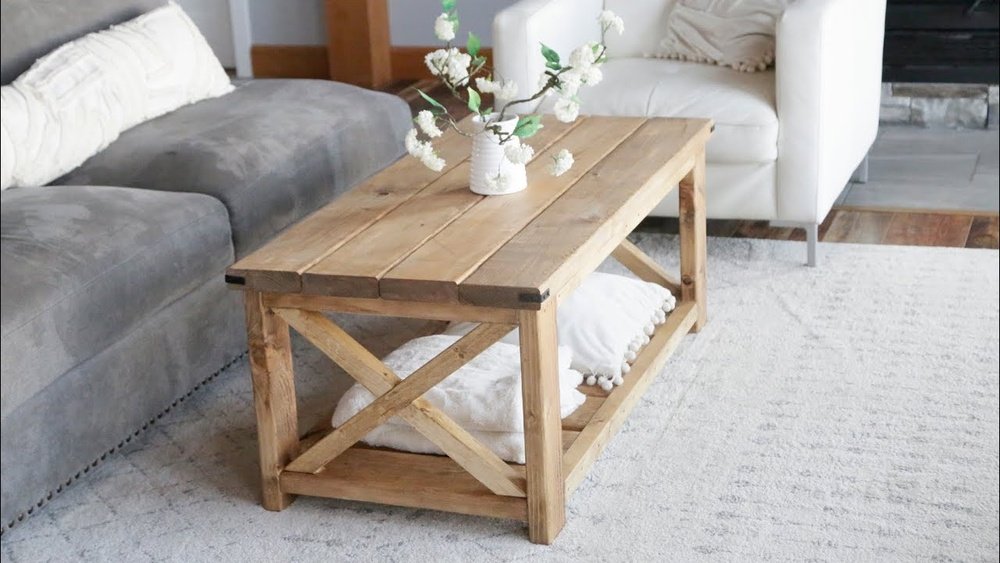
If you have ever shopped for furniture online or at a local store, you probably noticed that many pieces come flat-packed. Coffee tables are no exception. Many modern coffee tables are designed to be assembled at home. But is putting together a coffee table really as simple as it seems?
Or can it turn into a frustrating, time-consuming project? Understanding what to expect, what tools you’ll need, and how easy (or difficult) the process can be will help you decide if you want to do it yourself or call for help.
This guide explores every angle of assembling coffee tables. You’ll learn what makes some tables easier to build than others, what common challenges people face, how long the process usually takes, and much more. Whether you are a beginner or have put together furniture before, this article gives you the full picture—no surprises, just clear guidance.
What Influences Coffee Table Assembly Difficulty?
Not all coffee tables are made the same. Some can be put together in under 15 minutes, while others may take hours. The ease of assembly depends on several important factors:
1. Table Design And Complexity
A simple coffee table with four legs and a top is usually easier to assemble than a table with drawers, shelves, or intricate designs. For example, a minimalist wooden coffee table might require only attaching legs to the top. But a table with multiple layers, storage, or folding features will have more parts and steps.
2. Materials Used
The most common materials for coffee tables are wood, metal, glass, and engineered boards (like MDF). Wood and engineered boards are generally easier to work with because they use simple screws or bolts. Metal frames might need extra tools or careful alignment. Glass tops are often heavy and require caution during assembly.
3. Number Of Parts
A table with many separate parts (like small screws, dowels, or brackets) can slow down the process. The more parts, the higher the chance of confusion or mistakes. Kits with fewer, larger pieces are quicker to assemble.
4. Quality Of Instructions
Clear, well-written instructions with large diagrams make a big difference. Some brands provide step-by-step photos or even video guides. Others offer only text instructions that can be hard to follow, especially for non-native English speakers.
5. Pre-drilled Holes And Pre-assembled Sections
Some coffee tables come with pre-drilled holes or even partially assembled sections. This can cut down assembly time by half and reduce the chance of mistakes.
6. Required Tools
Most coffee tables need basic tools like a screwdriver or Allen wrench (often included). More complex tables may require a drill, hammer, or additional hardware.
How Long Does It Take To Assemble A Coffee Table?
Time needed to assemble a coffee table varies based on design, skill level, and preparation. Here’s a general guide:
| Type of Coffee Table | Estimated Assembly Time |
|---|---|
| Basic (4 legs, no storage) | 10–20 minutes |
| With shelf or simple storage | 30–45 minutes |
| Complex (drawers, multiple levels) | 1–2 hours |
| Designer or custom tables | 2+ hours |
These times assume you have all parts and tools ready. If you’re new to furniture assembly, add 10–20 minutes for reading instructions and organizing parts.
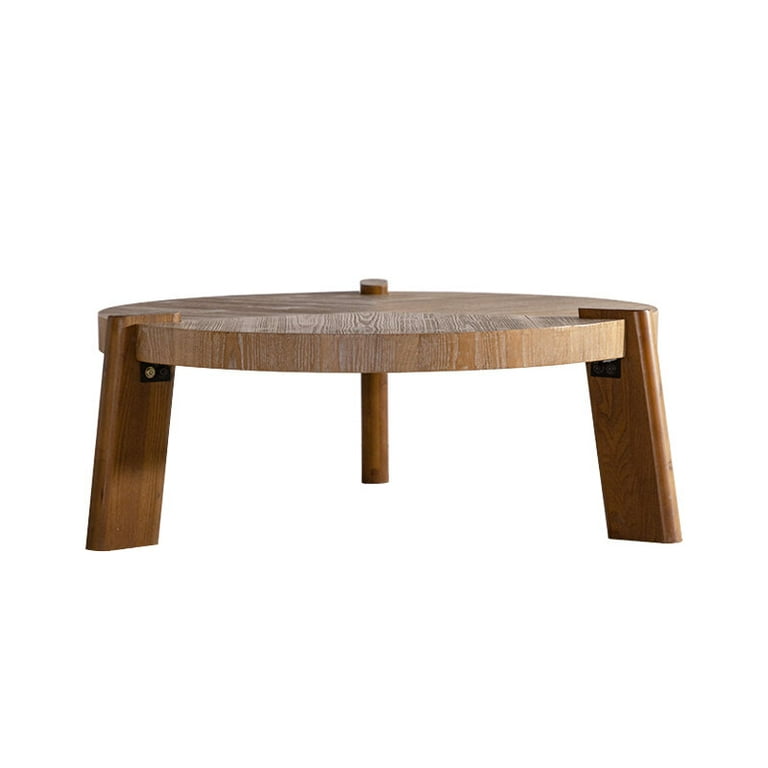
Step-by-step: What Happens When You Assemble A Coffee Table
Understanding the process helps you know what to expect. Here is a typical sequence for assembling most coffee tables:
- Unpacking: Open the box and lay out all parts. Check them against the instruction manual. Missing or damaged parts are rare but possible. If found, contact the seller before starting.
- Identifying Parts: Most kits include a parts list and small labels or numbers on each piece. This helps match parts to the diagrams.
- Preparing Tools: Many kits provide an Allen wrench or basic tool. For a smoother process, have a screwdriver, pliers, and possibly a small hammer ready.
- Reading Instructions: Skim the instructions once before starting. Look for warnings (such as steps where parts can be installed backward).
- Assembling Main Structure: Usually, you’ll attach the legs to the tabletop first. If there are shelves or lower supports, these often come next.
- Securing Hardware: Tighten screws or bolts, but avoid over-tightening, which can strip the holes (especially in MDF/particleboard).
- Final Adjustments: Make sure the table is level. Adjust feet or tighten bolts as needed.
- Cleanup: Remove packaging, recycle cardboard, and dispose of plastic safely.
What Tools Are Needed?
Most coffee tables only require simple hand tools. Here are the most common ones:
- Screwdriver: Phillips (cross-head) is most common. Some kits use flat-head screws.
- Allen wrench (hex key): Often included in the box.
- Small hammer: Rarely needed, but helpful for wooden dowels.
- Measuring tape: Useful to double-check alignment.
- Drill: Only needed for heavy-duty tables or if holes aren’t pre-drilled.
If you don’t have these tools, most hardware stores sell small, affordable sets. Some coffee tables come with every tool needed, but not always.
Common Problems And How To Avoid Them
Even a simple coffee table can sometimes cause headaches. Here are the most frequent issues and how to solve them:
Parts Don’t Fit
Problem: Holes don’t line up or parts seem out of shape.
Solution: Double-check the instructions to make sure you are using the correct part. Forcing parts can cause damage. If parts are warped or holes are off, contact the seller for replacements.
Missing Or Extra Hardware
Problem: A screw or bolt is missing, or you have leftover pieces.
Solution: Always check the parts list before starting. If something is missing, stop and contact the company. Sometimes extra hardware is included as a spare.
Instructions Are Unclear
Problem: Diagrams or text instructions don’t make sense.
Solution: Look for online videos or customer reviews for tips. Sometimes a quick search for the table’s model brings up step-by-step guides from other buyers.
Over-tightening Screws
Problem: Screws stripped or wood splits.
Solution: Tighten screws only until snug. If using a drill, set it on a low torque setting.
Parts Installed Backwards
Problem: Shelves or legs are put on the wrong way.
Solution: Lay out all parts before attaching. Double-check orientation in the diagrams. Take your time at each step.
What Types Of Coffee Tables Are Easiest To Assemble?
Some designs are more beginner-friendly. Here are coffee table types, ranked by assembly ease:
| Coffee Table Type | Ease of Assembly | Typical Assembly Steps |
|---|---|---|
| Simple four-leg table | Very easy | Attach legs to top |
| Metal frame with glass top | Easy | Connect frame, place glass |
| Open shelf table | Moderate | Build frame, attach shelf |
| Drawers or hidden storage | Challenging | Assemble drawers, install tracks |
| Lift-top or convertible | Hardest | Install hinges, moving parts |
If you want a stress-free experience, stick with a simple four-leg or open shelf design. Avoid lift-top or multi-level tables if you’re new to assembly.
Experience-based Tips For Smoother Assembly
After helping many people assemble coffee tables, some useful tips have emerged. These are things that instructions rarely mention but make a real difference.
Work On A Soft Surface
Build your table on a rug, blanket, or large piece of cardboard. This protects both the table and your floor from scratches.
Sort Hardware Before You Start
Separate screws, bolts, and other hardware into small dishes or cups. This makes finding the right piece much quicker and less stressful.
Don’t Tighten Everything At First
Lightly screw in all bolts first to make sure everything lines up. Once all pieces are in place, tighten everything. This avoids alignment problems.
Get Help If Needed
Some tables, especially those with glass tops or heavy wood, are awkward to handle alone. A second person makes lifting and positioning much safer.
Take Photos As You Go
If you ever need to disassemble or move the table, photos of each step are a big help. They also help if you need to contact customer support.
Real-world Examples: Assembly Experiences
To give you a better idea, here are a few real-world experiences:
- IKEA LACK Coffee Table: This is one of the easiest tables to assemble. Most people report finishing in under 20 minutes. Only a screwdriver is needed. The legs screw directly into pre-drilled holes.
- Sauder Carson Forge Table: This table has a shelf and some decorative trim. Most users finish in 30–40 minutes. Some people struggle with matching the trim pieces but find the instructions clear.
- West Elm Industrial Storage Table: More complex, with drawers and a lift-top. Assembly takes most users 1–2 hours. Some people mention needing a second person for stability during the lift-top installation.
These examples show that while most coffee tables are manageable, the ones with storage or moving parts will be a bigger challenge.
Cost And Quality: Does Price Affect Ease Of Assembly?
Many buyers wonder if expensive tables are easier to build. The answer is not always clear-cut.
- Budget tables (under $100) often have simple designs and fewer parts. They can be easier to assemble, but sometimes suffer from poor instructions or missing hardware.
- Mid-range tables ($100–$300) usually strike a good balance. They offer better instructions and hardware, but may have more parts or features.
- Premium tables ($300 and up) sometimes come partially assembled or with higher-quality pre-drilled holes. But, complex features like drawers or lift-tops can make them harder to build, even for experienced DIYers.
The main thing that affects ease of assembly is design simplicity and quality of instructions, not price alone.
Assembly For Non-native English Speakers
If English is not your first language, some instruction manuals can be hard to follow. Here are a few ways to make the process easier:
- Use Picture Guides: Many manuals have diagrams—focus on these rather than the text.
- Check for Online Videos: Search YouTube or the manufacturer’s website for your table’s model. Many brands, like IKEA, offer video tutorials.
- Translation Apps: Use your phone to translate unclear words or steps. Apps like Google Translate let you take photos of text and see instant translations.
- Ask for Help: If you get stuck, ask a friend or family member who is more confident in English.
Manufacturers are slowly improving multilingual support, but it’s still common to find English-only manuals.
When Should You Hire A Professional?
Most people can assemble a coffee table on their own, but there are times when hiring a pro makes sense:
- You have physical limitations (trouble with lifting or bending)
- You are short on time
- You want guaranteed results (no risk of mistakes or damage)
- You bought a complex or expensive table and want it built perfectly
Professional assembly services are available in most cities. Prices range from $30 to $100, depending on the table’s complexity. For many, the peace of mind is worth the extra cost.
Assembly Mistakes Beginners Often Make
New DIYers can fall into some common traps. Here are a few non-obvious mistakes to watch out for:
Ignoring The Parts List
Many people skip the initial step of checking all parts and hardware. If something is missing, they discover it halfway through—frustrating and time-consuming.
Rushing Through Steps
In a hurry, it’s easy to attach a part backward or use the wrong screw. Slow down, and double-check each step.
Not Protecting Surfaces
Building directly on a hardwood or tile floor can scratch both your table and your floor. Always use a protective layer.
Forgetting To Level The Table
Once built, check that the table is level. Some models have adjustable feet. An unlevel table can wobble or cause items to slide off.
Over-tightening Hardware
This can strip screws or crack wood, especially in low-cost tables made from MDF or particleboard.

How To Choose An Easy-to-assemble Coffee Table
If you want a coffee table that is genuinely easy to assemble, focus on these points:
- Simple construction: Avoid models with drawers, lift-tops, or lots of decorative trim.
- Few parts: Fewer pieces mean fewer chances for mistakes.
- Clear instructions: Look for brands with good online reviews about their manuals.
- Pre-drilled holes and labeled pieces: This makes the process much smoother.
- Included tools: Not a deal-breaker, but convenient if you don’t own basic tools.
If possible, check customer reviews on sites like Amazon or Wayfair. People often mention if assembly was easy or difficult. You can also visit manufacturer pages like IKEA for official assembly guides and support.
Assembly Vs. Pre-assembled: Which Is Better?
Buying a pre-assembled coffee table means you skip the building process. But is it always the better choice?
Pros of Pre-Assembled Tables:
- No assembly required—just unbox and place in your room
- Less chance of damage from mistakes
- Often sturdier, as built in a factory
Cons:
- Higher shipping costs due to size
- Harder to move or fit through doors
- More expensive overall
If you enjoy DIY or want to save money, flat-pack tables are a good choice. If you hate building furniture, pre-assembled is safer.
Environmental Impact Of Flat-pack Coffee Tables
Flat-pack coffee tables are more eco-friendly than most people realize. Because they ship in smaller boxes, they:
- Reduce shipping costs and carbon footprint
- Use less packaging material
- Are easier to recycle (many use recyclable cardboard)
Some brands use responsibly sourced wood or recycled materials. Check for eco-labels if this matters to you.
Frequently Asked Questions
What If A Part Is Missing Or Damaged?
First, check the parts list in your manual. If a piece is missing or damaged, contact the manufacturer or seller right away. Most companies will ship replacements for free. Do not try to build the table with missing or broken parts, as it can affect stability and safety.
Can I Assemble A Coffee Table Alone?
Most basic coffee tables can be assembled by one person. However, tables with heavy tops, glass, or complex features (like lift-tops) may need two people. If you feel unsure, ask a friend for help during heavy or tricky steps.

What Tools Do I Really Need?
Usually, you only need a Phillips screwdriver and the Allen wrench included in the kit. For some tables, a flat-head screwdriver or small hammer is helpful. A power drill is rarely needed but can speed up the process for tables with many screws.
How Do I Know If A Coffee Table Will Be Easy To Assemble?
Check customer reviews before buying. Look for comments about assembly time and instruction quality. Simple designs with few parts and clear instructions are much easier to build. Brands like IKEA, with lots of online guides, are usually a safe bet for beginners.
What Should I Do If I Make A Mistake During Assembly?
If you realize you made a mistake, stop and carefully backtrack to the last correct step. Use photos or diagrams in the manual to check your work. Most mistakes can be fixed without damage if caught early. If you’re stuck, search online for help or contact customer service.
Putting together a coffee table does not have to be difficult. Most designs are simple enough for beginners, especially if you take your time, stay organized, and follow each step carefully. By choosing a straightforward model and using the tips above, you can enjoy a new coffee table in your living room without frustration.
If you ever feel overwhelmed, don’t hesitate to seek help—whether from a friend, a professional, or online resources. With patience and a little preparation, assembling a coffee table is a task most people can handle with confidence.