Are Buffet Cabinets Worth Buying?
A buffet cabinet might seem like just another piece of furniture. But when you walk into a dining room with a beautiful buffet, something feels different. The space looks organized, elegant, and practical. Many people wonder if these cabinets are truly worth the money and space they take up.
Is it just for style, or do they offer real value? If you’re considering a buffet cabinet for your home, this guide will help you understand what makes them special, their benefits, drawbacks, and how to decide if buying one is a smart move for you.
What Is A Buffet Cabinet?
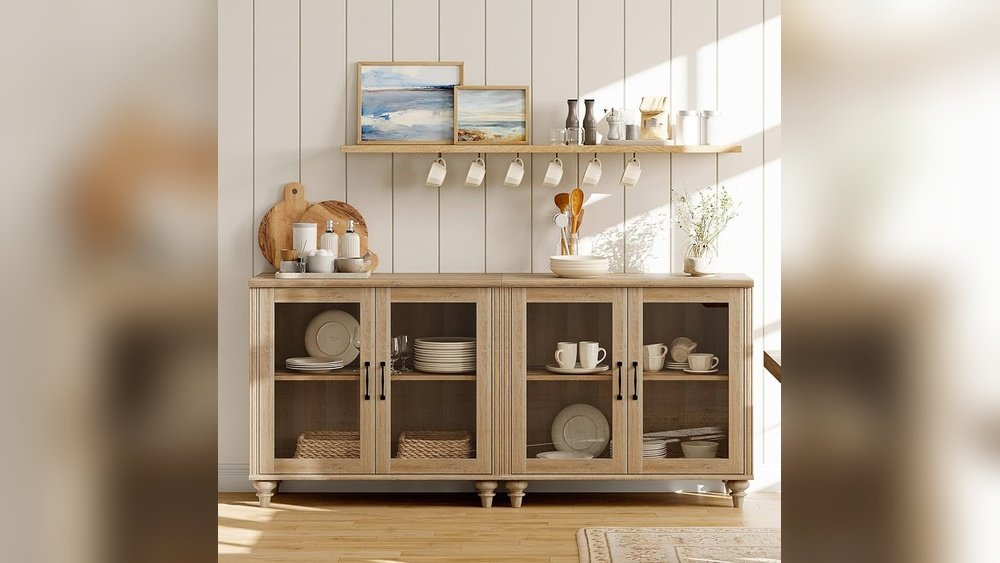
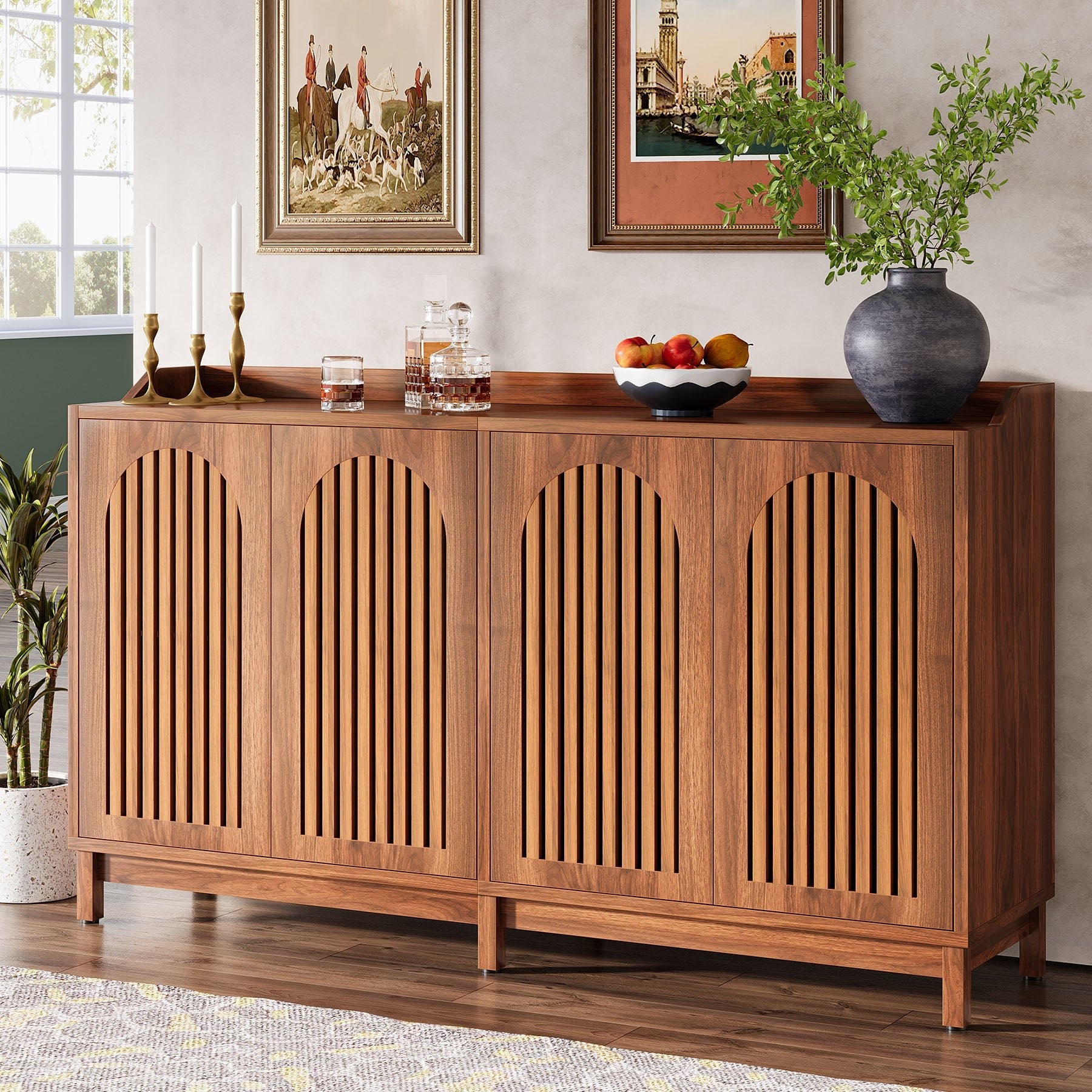
A buffet cabinet is a low, long storage unit, usually placed in dining rooms or kitchens. Traditionally, people use them to store plates, cutlery, table linens, and serving dishes. Buffets often have doors, drawers, or open shelves, and their tops can be used to display decor or serve food during gatherings.
Modern buffet cabinets come in many styles, from classic wood to sleek, contemporary designs. Some have glass doors, while others use solid panels. Sizes vary, but most are about waist-high and 4-6 feet long. Their main purpose is to give extra storage and create a serving area, especially during parties or family dinners.
Main Benefits Of Buffet Cabinets
1. Extra Storage Space
One of the biggest advantages is storage. Many homes, especially apartments or smaller houses, lack enough space for dishes, special occasion tableware, or extra kitchen gadgets. A buffet cabinet can hold:
- Plates, bowls, and glasses not used daily
- Serving trays and platters
- Tablecloths, napkins, and placemats
- Cutlery and serving utensils
- Small appliances like blenders or slow cookers
This helps reduce clutter in kitchen cabinets and keeps items organized. For families who entertain guests, having special dishes close to the dining table is very practical.
2. Versatile Design And Use
Buffet cabinets are not just for dining rooms. Their versatility allows them to fit in hallways, living rooms, or even bedrooms. Some people use them as:
- TV stands in the living room
- Entryway storage for shoes, bags, and keys
- Display tables for art, flowers, or family photos
- Mini bars with bottles and glasses
Because they come in many styles and finishes, it’s easy to match your existing decor. A buffet cabinet can also be moved to another room if your needs change.
3. Enhances Room Appearance
A well-chosen buffet adds elegance and balance to a room. It fills empty wall space and can become a focal point. The top surface is perfect for displaying vases, artwork, or seasonal decorations. Some homeowners use buffet cabinets to show off their best china behind glass doors.
For open-plan homes, a buffet can help visually separate the dining area from the living room. It ties the space together and makes the room look finished.
4. Makes Entertaining Easier
During parties or family gatherings, buffet cabinets are extremely helpful. The flat top acts as a serving area for dishes, drinks, or desserts. Guests can help themselves, reducing traffic in the kitchen.
For example, at Thanksgiving or Christmas, you can set out all the food on the buffet. This leaves the dining table less crowded and makes it easier for guests to move around. Even in small apartments, a buffet creates a designated spot for snacks and drinks.
5. Increases Home Value
While not a guarantee, built-in or high-quality furniture like buffet cabinets can make your home more attractive to buyers. Storage is always a selling point, and a buffet shows that your dining space is functional and well-designed.
What To Consider Before Buying A Buffet Cabinet
A buffet cabinet is an investment. Before you buy, think about these important factors:
Size And Space
Measure your dining room or the area where you plan to place the buffet. Common mistakes include:
- Choosing a buffet that is too long for the wall, making the room feel crowded
- Picking a unit that is too deep, blocking movement or entryways
A good rule: leave at least 36 inches of walking space between the buffet and the dining table. Most buffets are 16–20 inches deep and 30–38 inches high.
Storage Needs
Think about what you want to store. Some buffet cabinets have deep drawers for cutlery, while others have wide shelves for large plates. If you plan to store wine bottles or glasses, look for units with built-in racks or holders.
Consider if you need adjustable shelves. These let you change the space for different items, like tall pitchers or small bowls.
Style And Material
Buffet cabinets come in many materials:
- Solid wood is strong and long-lasting, but more expensive
- Veneer (thin wood covering cheaper wood or MDF) is affordable and looks good, but can scratch easily
- Metal or glass gives a modern feel but may show fingerprints and dust
Pick a style that matches your dining table and chairs. For classic homes, choose wood with carved details. For modern spaces, simple lines and neutral colors work best.
Budget
Prices range from $100 for basic models to over $3,000 for designer or antique buffets. Set your budget before shopping. Cheaper units can be good if you need storage now and plan to upgrade later. For long-term use, invest in quality — especially if you move often, as cheap units may not survive many moves.
Assembly And Maintenance
Some buffet cabinets require assembly at home. Check reviews to see if the process is simple. Solid wood or glass doors may need more care. Consider the finish: painted surfaces can chip, while wood finishes may need oil or polish.
Delivery And Placement
Buffet cabinets can be heavy. Make sure the company offers delivery to your room of choice, or plan for help moving it. Measure doorways and halls to ensure the cabinet fits into your home.
Common Types Of Buffet Cabinets
There are several popular styles. Here’s a quick comparison:
| Type | Main Features | Best For |
|---|---|---|
| Traditional Buffet | Solid wood, ornate details, classic look | Formal dining rooms, classic homes |
| Modern Sideboard | Sleek lines, minimal hardware, neutral colors | Contemporary spaces, apartments |
| Hutch Buffet | Cabinet with shelves above, glass doors | Display china, extra storage |
| Credenza | Shorter, often with sliding doors | Offices, living rooms, small dining rooms |
Choosing the right style depends on your needs and the overall look of your home.
Are Buffet Cabinets Worth The Price?
This is a common question, especially for people who are new to home decor or have a limited budget. Here are the main points to consider:
Value For Money
If you often host guests, have limited kitchen space, or want to keep your dining area organized, a buffet cabinet is usually a good investment. The extra storage alone can be worth it, especially if you find yourself searching for space to put dishes or appliances.
For people who rarely entertain or have plenty of storage already, a buffet might be less essential. In this case, you might choose a smaller, more affordable unit or use open shelving instead.
Durability And Longevity
A well-made buffet cabinet, especially in solid wood, can last for decades. Some families pass them down as heirlooms. Cheap, flat-pack models may only last a few years but can be replaced when your needs or style change.
Resale Value
High-quality buffets, especially antiques or well-known brands, can keep their value or even increase over time. Basic or mass-produced units usually do not have much resale value.
Flexibility
Many people don’t realize that a buffet cabinet can adapt to your needs. If you move to a bigger home, it can become a hallway or living room storage. If you downsize, it can serve as a bedroom dresser or entryway organizer.
Practical Examples
- A family with young children might use a buffet to store art supplies and board games, keeping them out of sight but easy to reach.
- In a studio apartment, a buffet can act as a divider between the kitchen and living area, holding both dishes and electronics.
Buffet Cabinet Vs. Other Storage Furniture
It’s easy to confuse buffet cabinets with other furniture. Here’s how they compare:
| Furniture | Main Use | Pros | Cons |
|---|---|---|---|
| Buffet Cabinet | Dining room storage and serving | Multi-use, stylish, lots of storage | Takes up wall space |
| China Cabinet | Display and store fine china | Great for display, glass doors | Usually taller, needs more vertical space |
| Console Table | Entryway or behind sofa | Narrow, decorative, fits small spaces | Limited storage |
| Kitchen Hutch | Kitchen/dining storage with shelves | Lots of storage, can hold appliances | Bulky, may not fit all rooms |
Buffet cabinets strike a balance between storage, display, and size. They are bigger than a console table but less bulky than a full china cabinet.
Non-obvious Insights Beginners Miss
Even if you’ve read a lot about buffet cabinets, there are some less obvious things that many people overlook:
Buffets Can Affect Lighting
A buffet with a reflective or glass surface can make a small room feel bigger and brighter. Placing a lamp or candles on top of a buffet near a wall mirror can double the light in the space. This trick is especially useful in apartments or dining rooms with limited natural light.
The Top Surface Is A Hidden Asset
Many buyers focus only on storage, but the top of the buffet is a valuable workspace. It can act as a bar area, a dessert station, or even a temporary desk when working from home. During holidays, it’s the perfect place for a festive display or buffet-style meal setup.
Mistakes To Avoid When Buying A Buffet Cabinet
- Ignoring Door Clearance: Make sure there’s enough room to open doors and drawers fully without hitting walls or chairs.
- Mismatch with Other Furniture: If your dining table is modern, a traditional buffet may look out of place (and vice versa).
- Underestimating Weight: Some buffets are extremely heavy. Make sure your floor can support it, especially in older homes or apartments.
- Overfilling: Packing the buffet with too many items can make it hard to find things. Use organizers or baskets inside to separate items.
- Skipping Assembly Instructions: Improper assembly can make the buffet unstable. Take time to follow the instructions carefully or hire a professional if needed.
When A Buffet Cabinet May Not Be Worth It
While buffet cabinets are useful, they are not right for everyone. Here are some cases where you might skip buying one:
- You have a small dining room with no spare wall space.
- Your household rarely entertains or hosts meals.
- You already have enough built-in storage and do not need extra furniture.
- You prefer a minimalist look and want as few pieces of furniture as possible.
In these situations, open shelving, rolling carts, or smaller side tables may meet your needs better.
How To Choose The Right Buffet Cabinet
Buying the right buffet is not just about price or looks. Here are some tips:
- Measure Your Space: Double-check wall length, floor space, and doorways before you buy.
- List What You Need to Store: Think about dishes, appliances, or decor items. Choose a buffet with the right mix of drawers and shelves.
- Match Your Style: Look at the wood tone, handle style, and overall shape. Try to match your dining table or mix styles carefully for a unique look.
- Check for Adjustable Shelves: These make it easier to store tall or odd-shaped items.
- Read Reviews: See what other buyers say about assembly, durability, and customer service.
- Think Long-Term: Will you move soon? Need to use the buffet in another room later? Pick a flexible design.
- Budget for Delivery and Assembly: These can add to the total cost, especially for heavy or ready-to-assemble furniture.

Top Brands And Price Ranges
The buffet cabinet market is big. Some well-known brands include:
- IKEA: Affordable, modern designs. Prices from $100–$600.
- West Elm: Mid-range, stylish buffets. Prices from $600–$2,000.
- Pottery Barn: Classic, high-quality wood. Prices from $800–$3,000.
- Wayfair: Wide range of styles and prices, with frequent sales.
Local furniture stores and antique shops may offer unique options, sometimes at lower prices if you’re willing to buy used.
Environmental Impact And Sustainability
Many consumers now care about sustainability. Some buffet cabinets are made from reclaimed wood or eco-friendly materials. Check for certifications like FSC (Forest Stewardship Council) to ensure the wood is responsibly sourced. Buying second-hand or vintage buffets is another way to reduce waste and save money.

Real-world Examples
Sarah, a mother of three, bought a buffet cabinet to store her children’s art supplies and family board games. She found that the buffet kept their living space tidy and offered a quick way to clear the dining table for meals.
James, who lives in a small apartment, uses a modern buffet as both a TV stand and storage for extra dishes. He chose a unit with sliding doors to save space in his narrow living room.
These examples show how buffet cabinets can work in different homes and for different purposes.
Data: Popularity And Usage
A recent survey from the American Home Furnishings Alliance showed that about 65% of new dining room furniture sales include a buffet or sideboard. The most popular reasons buyers gave were:
- Need for extra storage (72%)
- Wanting a serving area for parties (55%)
- Improving room appearance (48%)
This data highlights how buffet cabinets are not just a trend, but a practical solution for many households.
Maintenance And Care Tips
To keep your buffet cabinet looking new:
- Dust regularly with a soft, dry cloth
- Clean spills immediately to prevent stains, especially on wood finishes
- Use coasters or mats to protect the top from hot dishes or scratches
- For painted surfaces, use a damp cloth and avoid harsh chemicals
- Tighten screws or handles if they become loose over time
Taking care of your buffet will help it last for many years.
Where To Learn More
If you want to explore different designs and get more ideas, check out House Beautiful for inspiration and expert tips on buffet cabinets.
Frequently Asked Questions
What Is The Difference Between A Buffet, Sideboard, And Credenza?
A buffet and a sideboard are very similar. Both are long, low storage cabinets. The main difference is where they are used: buffets are usually in dining rooms, while sideboards can be in living rooms or hallways. A credenza is often shorter and may have sliding doors, making it suitable for offices or as a TV stand.
Can I Use A Buffet Cabinet In A Small Apartment?
Yes, you can! Many modern buffets have a slim design, making them perfect for apartments. Look for models with sliding doors or open shelves to save space. Buffets can also serve more than one purpose, such as a TV stand or entryway table.
How Much Weight Can A Buffet Cabinet Hold?
Most buffet cabinets can safely hold 100–200 pounds (45–90 kg) on the top surface, depending on the material and construction. Shelves inside usually hold less. Always check the manufacturer’s specifications before placing heavy items.
Are Buffet Cabinets Hard To Assemble?
Some models come fully assembled, but many require some assembly at home. Complexity depends on the design and brand. Reading reviews and following instructions carefully can make the process easier. If you’re not comfortable with furniture assembly, many stores offer professional assembly for an extra fee.
How Do I Match A Buffet Cabinet With My Existing Dining Table?
Try to match the color and style of your table and chairs. If your table is traditional dark wood, look for a buffet in a similar finish. For modern or mixed-style rooms, you can choose a buffet in a contrasting color or material, but keep the design lines simple for balance.
—
A buffet cabinet is more than just a storage unit; it’s a flexible, stylish, and practical piece of furniture that can add value to your home. Whether you live in a large house or a small apartment, the right buffet cabinet makes organizing, entertaining, and decorating easier.
With careful planning and the right choice, a buffet cabinet is worth buying for many households.