A kitchen pantry that feels organized can turn cooking from a headache into a pleasure. If you’ve ever spent five minutes searching for cinnamon or realized you bought another bag of rice because the old one was hidden, you know the pain of a messy pantry.
Good pantry storage isn’t just about neatness; it helps save time, reduces food waste, and makes healthy eating easier. Whether you have a spacious walk-in pantry or just a single cabinet, there are practical strategies anyone can use. In this guide, we’ll explore how to organize your kitchen pantry storage, step by step, and share tips most beginners never consider.
Assessing Your Pantry Space
Before you buy containers or start moving things, take a close look at what you’re working with. Every kitchen is different, and understanding your space is the first step to getting organized.
Think about the type of pantry you have. Is it a walk-in room, a closet, or a few shelves? Measure the height, width, and depth of each shelf. Pay attention to awkward corners, deep shelves, or hard-to-reach spots. Knowing your dimensions helps you choose the right organizing tools later and prevents wasted money on baskets or bins that simply don’t fit.
Next, empty your pantry completely. Place all items on your counter or kitchen table. As you do this, group similar foods together—cans with cans, pasta with pasta, snacks with snacks. This simple step makes it much easier to see what you have and spot duplicates, expired products, or items you never use.
While your shelves are empty, give them a good clean. Wipe away crumbs, spills, or sticky spots. This is the only time your shelves will be totally accessible, so start fresh.
Decluttering And Sorting
A well-organized pantry starts with less clutter. Many people try to organize without first removing what they don’t need, but this only makes the problem worse over time.
Start by checking expiration dates. Toss anything that’s expired or stale. Be honest about items you haven’t used in months or even years—if you bought a jar of curry paste for one recipe and never touched it again, it’s likely just taking up space.
If something is still good but you know you won’t use it, consider donating it to a local food bank or sharing with neighbors.
Group what’s left by category. Common pantry categories include:
- Grains and pasta
- Baking supplies
- Breakfast foods
- Snacks
- Canned goods
- Oils and condiments
- Spices and seasonings
- Beverages
When you sort items by use or type, you’ll notice patterns. Maybe you have five bags of flour but only one box of cereal. This visual inventory helps you avoid future overbuying and spot gaps in your pantry.
Choosing The Right Storage Solutions
Containers, bins, and organizers make a huge difference, but only if you pick the right ones for your space and needs. There’s no need to buy fancy organizers for every item. The goal is to keep things visible and easy to access, not just to make it look pretty for social media.
Here’s a quick comparison of popular pantry storage options:
| Storage Option | Best For | Pros | Cons |
|---|---|---|---|
| Clear Bins | Snacks, packets, small items | Easy to see contents, stackable | Can take up more shelf space |
| Glass Jars | Dry goods (rice, flour, beans) | Keep food fresh, stylish | Heavy, can break |
| Lazy Susans | Oils, sauces, jars | Easy to reach items at back | Not ideal for heavy items |
| Wire Baskets | Produce, bagged goods | Good airflow, visible | Can snag plastic bags |
| Stackable Shelves | Canned goods, spices | Maximize vertical space | Must fit shelf height |
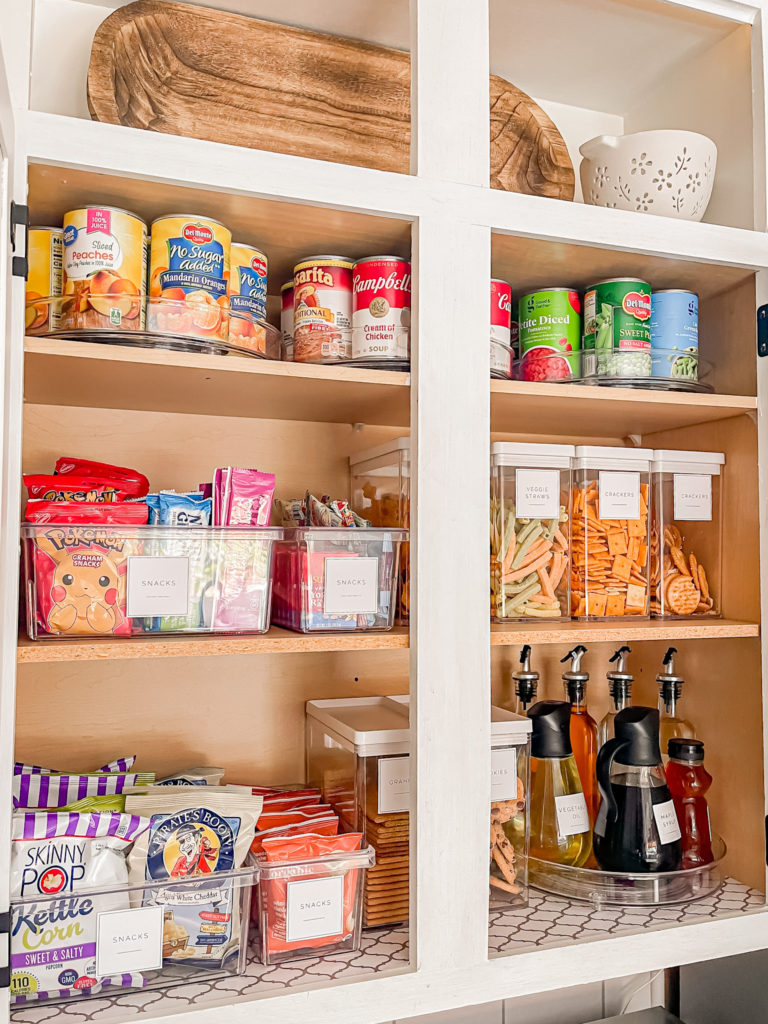
Clear containers are especially helpful for bulk foods like rice, oats, or sugar. They let you see exactly how much is left and prevent pests. If you buy in bulk, invest in larger containers and label them clearly.
Baskets or bins work well for snacks, chips, or items in awkward packaging. Assign a bin to each category: one for breakfast bars, another for pasta packets, and so on.
Turntables (Lazy Susans) are perfect for deep corners. Place oils, sauces, or vinegars on them so nothing gets lost at the back.
Remember, you don’t need to buy everything at once. Start with what you have—shoe boxes, old jars, or sturdy trays can work until you figure out your system.
Planning Pantry Zones
Zoning means grouping items by purpose and keeping them together. This simple technique makes cooking smoother and keeps your pantry organized long-term.
Here’s how to create effective pantry zones:
- Daily Use Zone: Place most-used items like coffee, cereal, or snacks at eye level or within easy reach.
- Baking Zone: Store flour, sugar, baking powder, and vanilla together. Keep mixing bowls and measuring cups nearby if space allows.
- Meal Prep Zone: Group pasta, rice, canned beans, and sauces in one section for quick dinner assembly.
- Snack Zone: Dedicate a bin or shelf for chips, bars, or dried fruit. This also helps with portion control and lunch packing.
- Overflow or Bulk Zone: Store backup supplies or extra-large items on the lowest or highest shelves.
- Kids’ Zone: If children use the pantry, put their snacks and breakfast items on a lower shelf they can reach.
Label each zone clearly. Use large, easy-to-read labels so everyone in your home knows where to find things—and where to put them back.
Maximizing Small Pantry Spaces
Even a tiny pantry can hold a lot with the right approach. Small space solutions often require more creativity and regular maintenance.
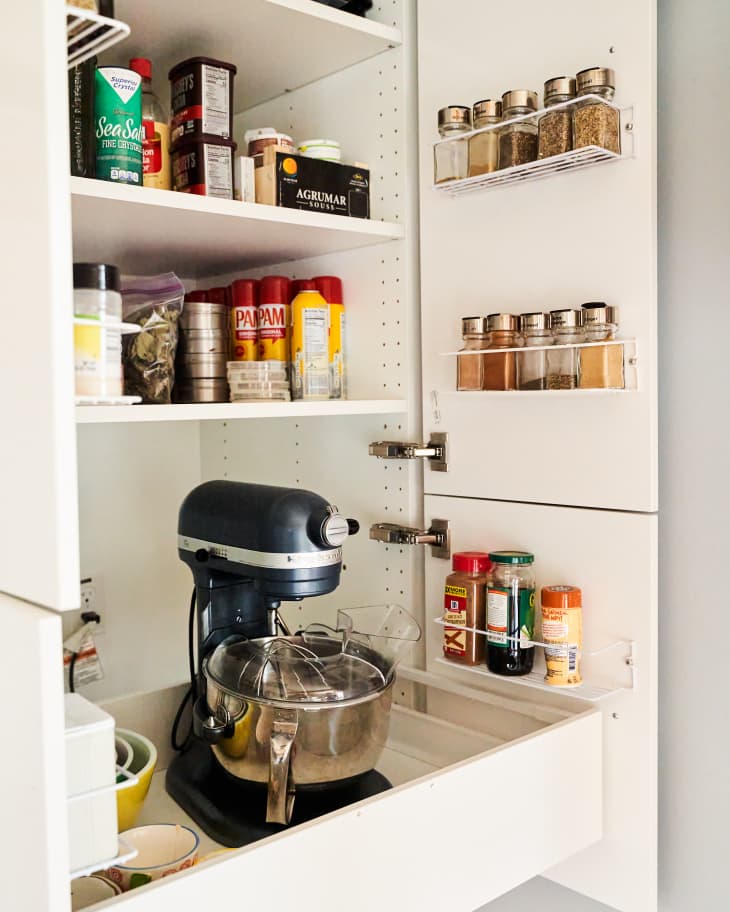
- Use door racks: Hang shallow racks or baskets on the inside of your pantry door for spices, packets, or small bottles.
- Go vertical: Add extra shelves or tiered risers to take advantage of tall spaces.
- Stack bins: Use stackable containers for snacks or cans. Just make sure the ones you use most are on top.
- Pull-out drawers: If you have deep shelves, install pull-out baskets or trays so nothing gets lost at the back.
- Hang hooks: Hooks on the wall or door can hold bags, aprons, or even small baskets.
Regularly check small pantries for clutter. Because space is limited, even a few unused items can cause chaos.
Organizing Large Or Walk-in Pantries
If you’re lucky enough to have a walk-in pantry, you have more room—but also more chance for mess. Large pantries often get cluttered because there’s space to stash things “just for now. ”
- Divide by activity: In a big pantry, zone by activity as well as food type. For example, keep all baking items together, but also create a section for entertaining (chips, nuts, party supplies).
- Use deep storage for extras: Place backup supplies on higher or lower shelves, away from daily use.
- Install adjustable shelving: Move shelves up or down to fit tall cereal boxes or short spice jars.
- Add a countertop: If space allows, a small counter can hold appliances or serve as a prep station.
Don’t let extra space become an excuse to keep unused items. Review your pantry every few months and clear out what you don’t need.
Labeling: The Secret Ingredient
Labels are one of the most effective—and most overlooked—tools for pantry organization. They save time, reduce arguments, and keep your system running smoothly.
Use large, clear labels for each bin, shelf, or container. You can handwrite on masking tape, use a label maker, or buy pre-printed labels. For multi-lingual households, consider adding labels in both languages.
For bulk containers, always label the food name and the expiration date. If you refill containers, place the date on a sticker at the bottom or back, so you always know when something should be used up.
Rotation And Inventory Management
Even the best-organized pantry can fall apart if you don’t keep track of what you have. Two simple practices help reduce waste and overbuying:
- First In, First Out (FIFO): When you buy new groceries, move older items to the front and put the new ones behind. This way, you use up food before it expires.
- Keep a pantry inventory: Use a notepad or a whiteboard inside the pantry door. List items that are running low. Update the list each week before shopping.
Some people use apps to track pantry inventory, but a simple list works for most homes.
Restocking And Maintenance
A well-organized pantry is not a “set it and forget it” project. It needs regular attention to stay tidy.
- Restock by category: When you bring home groceries, put items into their correct zones right away.
- Do a quick tidy each week: Spend five minutes straightening shelves, tossing empty packages, and checking for expired foods.
- Deep clean every season: Remove everything, wipe shelves, and review your inventory. Donate or toss anything you won’t use.
Don’t be afraid to adjust your system. If a bin or shelf keeps getting messy, ask yourself why. Maybe it’s in the wrong spot or needs a different container.
Pantry Organization Mistakes To Avoid
Many beginners make the same errors when organizing their kitchen pantry. Here are some common pitfalls and how to avoid them:
- Buying containers before measuring: Always measure your shelves and check what you actually need before buying bins or jars.
- Over-labeling: Too many labels can overwhelm and confuse, especially for guests or kids. Keep it simple.
- Ignoring vertical space: Most people underuse the height of their pantry. Add shelves or risers to double your space.
- Forgetting maintenance: Organization isn’t permanent. Set reminders for regular cleaning and decluttering.
- Storing food in original packaging: Move items like flour or sugar into airtight containers to keep them fresh and pest-free.
Real-life Examples And Practical Insights
Consider these two pantries:
| Poorly Organized Pantry | Well-Organized Pantry |
|---|---|
| – Items stacked in piles – Expired food at the back – No labels – Snacks mixed with baking supplies – Hard to see what’s running low |
– Items grouped by zone – Clear containers for dry goods – Labels on each shelf/bin – FIFO rotation used – Shopping list on door |
Non-obvious insight: Most people forget to leave “open space” in their pantry. If every shelf is packed, there’s no room for new groceries. Always leave a little empty space on each shelf—this makes restocking easier and prevents clutter from building up.
Another tip beginners miss: Store heavy items on lower shelves. It’s safer and prevents accidents. Light or fragile items can go higher up.
Pantry Organization For Special Diets And Families
Your pantry should match your lifestyle. If you have dietary restrictions, allergies, or kids, customize your setup.
- Allergy-friendly zones: Store allergy-safe foods separately and label them clearly.
- Meal prep bins: Pre-pack ingredients for common meals in one basket (for example, all taco night supplies together).
- Snack bins for kids: Place healthy snacks at a level children can reach, but keep treats higher up.
- Gluten-free section: If someone in your family avoids gluten, create a dedicated shelf to prevent cross-contamination.
Sustainable Pantry Practices
A smart pantry isn’t just organized—it’s also eco-friendly. Try these sustainable habits:
- Use reusable containers instead of single-use plastic bags.
- Shop with your pantry in mind—only buy what you can store and use.
- Compost food scraps and avoid overbuying perishable items.
- Repurpose glass jars from pasta sauce or jam for bulk foods.
For more on sustainable kitchen practices, visit the EPA’s guide to reducing food waste.
Adapting Organization As Needs Change
Life changes—your pantry should, too. If your family grows, kids become teens, or you start a new diet, adjust your pantry zones and containers. Don’t be afraid to experiment with new systems. The goal is function, not perfection.
Keep a few spare bins or baskets on hand for sudden changes, like holiday baking or parties. Review your pantry setup every few months to see if it still works for your routine.
:max_bytes(150000):strip_icc()/organized-pantry-0qGo0EYq4A49ZXoFFxrpR3-0921-1222-1adec4d6086d48ee9e48a8790d4d943f-2aae3d913d8642afabd04b317e9dbb46.jpg)
Frequently Asked Questions
How Often Should I Clean My Pantry?
It’s best to do a quick tidy every week and a deeper clean every three to six months. Remove everything, wipe shelves, check expiration dates, and reorganize as needed.
What Is The Best Way To Store Spices In The Pantry?
Store spices in small, airtight containers away from heat and light. Use a spice rack, drawer insert, or door-mounted shelf. Label each container and group by cuisine or usage for easy access.
How Can I Keep My Pantry Pest-free?
Store dry goods in airtight containers, clean up spills right away, and check for expired items regularly. Avoid leaving open bags or boxes. If you see pests, remove all food, clean thoroughly, and use natural repellents like bay leaves.
Is It Worth Investing In Matching Containers?
Matching containers can make your pantry look neat and help with stacking, but they’re not required. Function is more important than style. Use what fits your space and budget.
What Should I Do With Items I Rarely Use?
Place rarely used items on high or low shelves, out of the main workflow. If you haven’t used something in a year, consider donating or discarding it to free up space.
A well-organized kitchen pantry isn’t just about appearance—it’s about making life smoother. With clear zones, smart containers, and a little regular upkeep, your pantry can become a tool that supports better cooking, less waste, and more enjoyment in the kitchen.
Start small, stay flexible, and let your system grow with your needs.