A kitchen pantry is more than just a small room or cabinet where you keep food. It’s a key part of an organized and efficient kitchen. In today’s homes, the pantry does much more than store ingredients. It helps save time, reduces waste, and even makes cooking more enjoyable.
Whether you have a walk-in pantry, a few shelves, or a single cupboard, how you use and organize pantry storage can change the way you cook and live.
Many people think a pantry is simply a space for dry goods, but its true purpose is much broader. With the right setup, your pantry can become the heart of your kitchen. It gives you easy access to ingredients, helps you plan meals, and can even help you save money by cutting down on last-minute store trips.
This article explores all the ways kitchen pantry storage is used, offers practical tips for making the most of your space, and explains why a well-organized pantry matters more than you might think.
The Main Purposes Of Kitchen Pantry Storage
Pantry storage is not just about hiding away food. It serves several important roles that impact your daily life in the kitchen.
1. Food Organization And Accessibility
One of the main uses of kitchen pantry storage is to keep food items organized. When your pantry is arranged well, you can see what you have at a glance. This makes it easier to find ingredients quickly, which saves time during meal prep. Grouping similar items together (like baking supplies or canned goods) can help you avoid buying duplicates and reduce food waste.
2. Maximizing Kitchen Space
Kitchens come in all sizes, but many lack enough cabinets or counter space. A pantry gives you extra room to store bulk items, small appliances, or even cookware that you don’t use every day. Using vertical shelves, pull-out baskets, or door racks can double or triple your storage space without taking up more room.
3. Preserving Food Quality
Pantries are usually designed to be cool, dry, and dark, which helps keep food fresh for longer. Storing items like grains, flour, and canned goods in the pantry protects them from heat and sunlight, which can cause spoilage. Some people even keep root vegetables or certain fruits in a pantry to extend their shelf life.
4. Supporting Meal Planning
With a well-stocked and organized pantry, it’s easier to plan meals. You know exactly what you have and what you need to buy. Many home cooks keep a list of pantry staples and update it regularly. This helps with quick, last-minute meals and cuts down on the number of trips to the grocery store.
5. Reducing Food Waste
When your pantry is cluttered, it’s easy to forget about items at the back of the shelf. This often leads to expired or spoiled food. Good pantry storage lets you rotate items, use the oldest food first, and spot what’s running low.
This simple habit can save a surprising amount of money each year.
Types Of Kitchen Pantry Storage
There is no single right way to set up a pantry. The best storage depends on your kitchen’s size, your cooking habits, and your family’s needs.
1. Walk-in Pantries
A walk-in pantry is a small room or closet off the kitchen, with shelves on three or four walls. These are ideal for large families or people who buy in bulk. They offer space for food, appliances, and even cleaning supplies.
2. Cabinet Pantries
Many kitchens use a tall cabinet as a pantry. These might be single or double-door units with adjustable shelves. Cabinet pantries are perfect for smaller kitchens where space is tight.
3. Pull-out Pantries
A pull-out pantry uses deep, narrow shelves that slide out like a drawer. This design makes it easy to see and reach items, even those stored at the back.
4. Freestanding Pantries
Some homes use a freestanding piece of furniture (like a tall cupboard or armoire) for pantry storage. These are flexible and can be moved as needed.
5. Open Shelving
Open shelves are popular in modern kitchens. While they look attractive, they require regular tidying to stay organized. Open shelves work best for items you use daily.
6. Corner Pantries
A corner pantry makes use of awkward or unused space. These are often walk-in style and can fit a surprising amount of food and supplies.
What Belongs In A Kitchen Pantry?
A pantry is more than just a place for flour and sugar. Here are some common items you’ll find in most kitchen pantries:
- Dry goods: Rice, pasta, beans, lentils, flour, sugar, oats
- Canned foods: Vegetables, fruits, soups, fish, tomatoes
- Baking supplies: Baking powder, cocoa, yeast, chocolate chips
- Oils and vinegars: Olive oil, vegetable oil, balsamic vinegar, apple cider vinegar
- Spices and seasonings: Salt, pepper, herbs, spice blends
- Snacks: Crackers, chips, nuts, dried fruits
- Breakfast items: Cereal, granola, pancake mix
- Condiments: Peanut butter, honey, sauces, syrups
- Paper goods: Paper towels, napkins, plastic wrap
- Small appliances: Slow cooker, blender, toaster (if space allows)
Some families also keep cleaning supplies, pet food, or extra cookware in the pantry.
How To Organize Your Kitchen Pantry For Maximum Efficiency
A messy pantry wastes time and money. Here’s how to turn your pantry into a useful, stress-free space.
Step 1: Empty And Clean
Take everything out. Wipe down all the shelves. This is a good chance to throw away expired or unwanted items.
Step 2: Group Similar Items
Put similar foods together. For example, keep all baking supplies on one shelf and snacks on another.
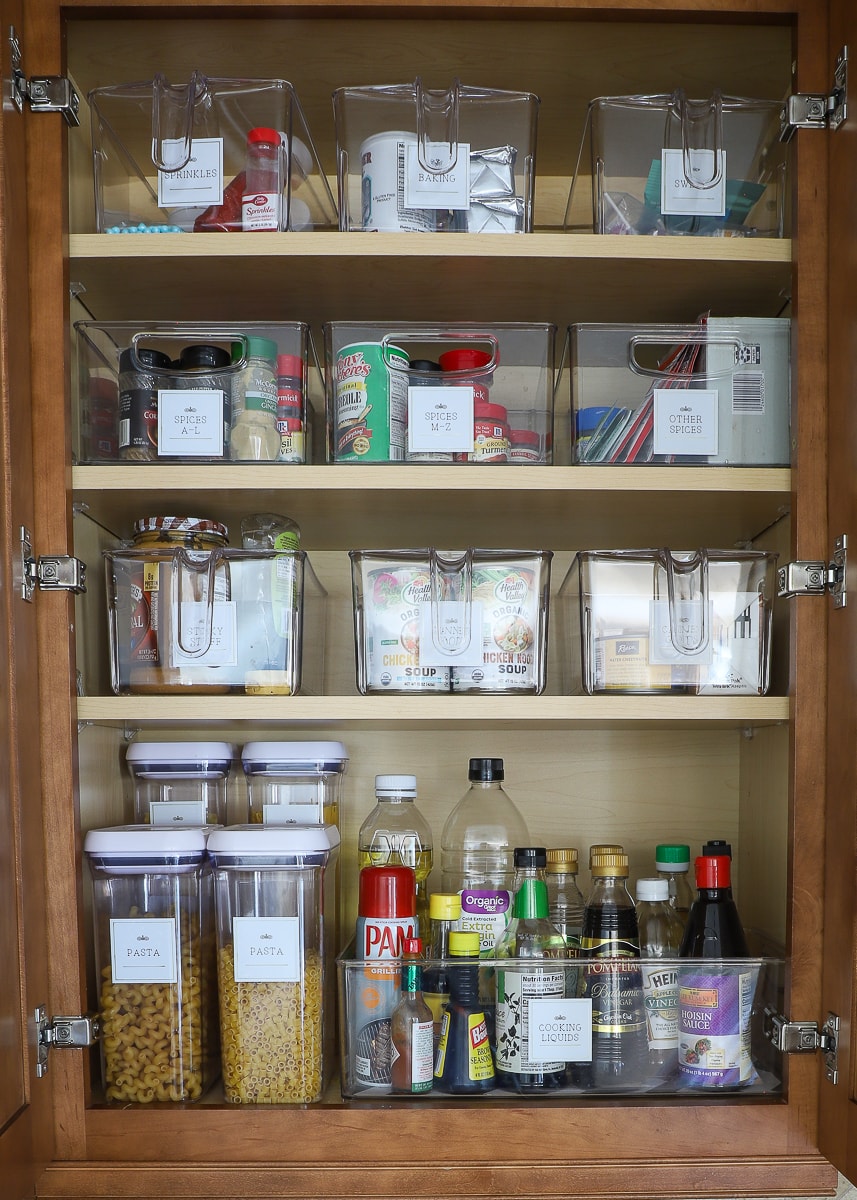
Step 3: Use Clear Containers
Put items like flour, sugar, and rice in clear, airtight containers. This keeps food fresh and lets you see what’s inside.
Step 4: Label Everything
Label shelves and containers. This simple step saves time and helps everyone in the family find what they need.
Step 5: Store By Frequency Of Use
Put everyday items at eye level or within easy reach. Place rarely used items on higher or lower shelves.
Step 6: Keep A Running Inventory
Use a notebook, whiteboard, or app to track what’s in your pantry. This helps you shop smarter and avoid buying duplicates.
Step 7: Rotate Stock
When you buy new groceries, place them behind older items. This makes sure you use up older food before it expires.
Common Pantry Storage Solutions And Accessories
Choosing the right storage solutions can make a big difference. Here are some popular options:
- Adjustable shelves: Move shelves up or down to fit tall bottles or short cans.
- Pull-out baskets: Great for snacks or produce.
- Lazy Susans: These spinning trays are perfect for oils, sauces, or spice jars.
- Door racks: Use the back of the pantry door for extra shelves or hooks.
- Stackable bins: Save space and organize similar items together.
- Can organizers: Slanted racks make it easy to grab cans without knocking over others.
- Hanging baskets: Good for onions, garlic, or potatoes that need air circulation.
Pantry Storage For Special Diets And Lifestyles
Your pantry can be tailored to support your health goals or lifestyle. For example:
- Gluten-free households: Keep gluten-free flours, pastas, and snacks on a dedicated shelf to avoid cross-contamination.
- Vegetarian/vegan pantries: Stock up on beans, lentils, nuts, seeds, plant-based proteins, and dairy alternatives.
- Meal preppers: Store bulk grains, portion containers, and meal prep supplies in easy-to-reach spots.
- Families with kids: Use lower shelves for healthy snacks, so children can help themselves.
The Financial Benefits Of Good Pantry Storage
A well-organized pantry can actually save you money. Here’s how:
1. Buying In Bulk
Storing food in bulk is cheaper per unit. With pantry space, you can stock up on items when they’re on sale.
2. Reducing Waste
When you can see and use what you have, you throw away less food. In the U.S., the average family wastes about $1,500 per year on food that gets thrown away.
3. Fewer Grocery Trips
Meal planning with a stocked pantry means fewer emergency trips to the store, which reduces impulse buys.
Food Safety And Pantry Storage
Storing food safely is a key part of pantry management. Here are some tips:
- Temperature: Keep pantry temperature below 70°F (21°C) to slow spoilage.
- Humidity: High humidity can cause mold. Use moisture absorbers if needed.
- Pest control: Store food in airtight containers to keep out bugs and rodents.
- Expiration dates: Check items regularly and use them before they expire.
Making The Most Of Small Pantry Spaces
Even if you don’t have a walk-in pantry, you can still create efficient storage.
Vertical Storage
Use tall shelves, stackable bins, or hanging organizers to make the most of vertical space.
Door Storage
Install racks or hooks on the inside of cabinet or pantry doors for spices, wraps, or small tools.
Multi-purpose Furniture
Use rolling carts, bookshelves, or even a repurposed dresser as a pantry.
Comparing Pantry Storage Options
Let’s look at a comparison of some common pantry storage types:
| Storage Type | Best For | Space Needed | Ease of Access | Cost |
|---|---|---|---|---|
| Walk-in Pantry | Large families, bulk storage | High | Excellent | High |
| Cabinet Pantry | Small kitchens | Medium | Good | Medium |
| Pull-out Pantry | Easy reach | Low | Excellent | Medium |
| Freestanding Pantry | Renters, flexible use | Medium | Good | Low to Medium |
| Open Shelving | Display, daily use | Low to Medium | Good | Low |

Pantry Design Trends And Innovations
Modern kitchens are changing how pantries look and work. Here are some trends:
Butler’s Pantry
A butler’s pantry is a small room between the kitchen and dining area, used for storage and extra prep. This adds both space and style.
Hidden Pantries
Some kitchens use hidden doors or panels to make pantries blend in with cabinetry.
Tech Integration
Smart pantries use sensors or apps to track inventory, help with shopping lists, and reduce waste.
Custom Storage Solutions
More people are using custom shelves, drawers, and racks to fit their exact needs.
Real-world Examples Of Pantry Storage Uses
To make the idea clearer, let’s look at a few real-life examples:
- Baker’s Pantry: A home baker uses labeled bins for flours, sugars, chocolate, and sprinkles. A rolling cart holds mixing bowls and baking pans.
- Family Pantry: A busy family keeps snacks and breakfast foods on low shelves for kids, while spices and sauces are higher up for adult cooking.
- Entertainer’s Pantry: Someone who loves to host parties stores drink mixers, serving trays, and extra glasses in their pantry, along with bulk snack foods.
Non-obvious Pantry Storage Insights
Many beginners miss these points when setting up their pantry:
- Consider how your pantry affects your cooking habits. A visible, organized pantry inspires creativity and helps you try new recipes, since you can see all your ingredients at once.
- Lighting is critical. Many pantries are dim, making it hard to find items. Adding LED strip lights or battery-powered tap lights can make a big difference.
- Don’t forget about airflow. Good ventilation keeps food dry and prevents mold. If your pantry is a closet or small room, install a vent or use a dehumidifier.
- Plan for future needs. As your family grows or your diet changes, your pantry needs will too. Adjustable shelves and modular storage can adapt over time.
Pantry Storage And Sustainability
A pantry can help you live more sustainably by:
- Reducing packaging waste: Buy in bulk and use reusable containers.
- Supporting meal planning: Avoids last-minute takeout, which often uses more packaging.
- Lowering food waste: When you know what you have, you use more and waste less.
Pantry Storage Mistakes To Avoid
Even with the best intentions, it’s easy to make mistakes. Here are some to watch for:
- Overfilling shelves: Too many items make it hard to see what you have.
- Ignoring expiration dates: Using a “first in, first out” system is important.
- Storing food in original packaging: Many packages are not airtight and let in pests or moisture.
- Neglecting deep cleaning: Old spills and crumbs attract bugs and cause odors.
- Not using all vertical space: Empty space above shelves is wasted storage.
Pantry Storage For Different Climates
Where you live affects how you should store food:
- Humid climates: Use airtight containers and silica packets to keep food dry.
- Dry climates: Watch for foods that dry out or get stale quickly.
- Hot climates: Store sensitive foods (like chocolate or nuts) in the coolest part of your pantry.

How Pantry Storage Has Changed Over Time
In the past, pantries were common in large homes but disappeared as kitchens shrank in the 20th century. Today, pantries are coming back, both for style and practicality. Modern pantries can be small or large, and they often use new materials like wire shelving, glass containers, and even smart technology.
Storage Accessories Comparison
Here’s a quick look at how common pantry accessories compare:
| Accessory | Best Use | Pros | Cons |
|---|---|---|---|
| Clear Containers | Dry goods | Easy to see contents, airtight | Can be expensive |
| Lazy Susan | Spices, bottles | Maximizes corner space | Not good for heavy items |
| Stackable Bins | Snacks, canned foods | Saves space, easy access | Can be unstable if stacked too high |
| Door Racks | Small items | Adds extra storage | Weight limit |
Expert Tips For Better Pantry Storage
To get more from your pantry, try these expert tips:
- Review and reorganize every season. What works in winter may not in summer.
- Use see-through bins for snacks. This helps kids make healthy choices.
- Keep a donation box. If you have extra, donate to a local food bank before it expires.
- Add a shopping list pad or whiteboard. Write down what you run out of, so you remember on your next trip.
External Resource
For more in-depth tips about pantry storage and organization, check out this guide from the Good Housekeeping Institute.
Frequently Asked Questions
What Is The Main Function Of Kitchen Pantry Storage?
The main function is to organize and store food and kitchen supplies in a way that keeps them fresh, easy to access, and safe from pests or spoilage. A pantry helps you see what you have and makes meal planning faster.
What Are Some Must-have Items For Every Kitchen Pantry?
Key items include dry staples (rice, pasta, flour), canned foods, oils, spices, snacks, and baking supplies. It’s also useful to keep condiments, breakfast items, and paper goods.
How Often Should I Clean And Reorganize My Pantry?
It’s best to do a deep clean and reorganization every 3–4 months. This helps prevent pests, removes expired items, and keeps your system working well.
Can I Use A Kitchen Pantry For Non-food Items?
Yes! Many people store small appliances, cleaning supplies, pet food, or extra cookware in their pantry, especially if space in the kitchen is limited.
How Can I Make A Small Pantry More Efficient?
Use vertical storage, clear containers, and door racks. Group items by category, label everything, and avoid overfilling shelves. Even a single cabinet can work well with the right setup.
A kitchen pantry is more than just a place to store food. It’s a tool for saving time, money, and stress every day. Whether your space is large or small, a well-planned pantry can make your kitchen run smoother and help you enjoy cooking more.
With a little organization and the right storage solutions, anyone can create a pantry that works for their needs.