Many people wonder whether TV stands or wall mounts are the better choice for their home. This question comes up when buying a new television or reorganizing a living space. The answer isn’t as simple as picking one over the other. It depends on your room, TV size, style preferences, safety needs, and even your lifestyle. In this article, you’ll get a full comparison of TV stands and wall mounts, with real examples, practical advice, and insights you might not find elsewhere. By the end, you’ll know which option truly fits your needs.
What Are Tv Stands And Wall Mounts?
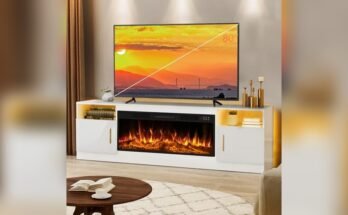
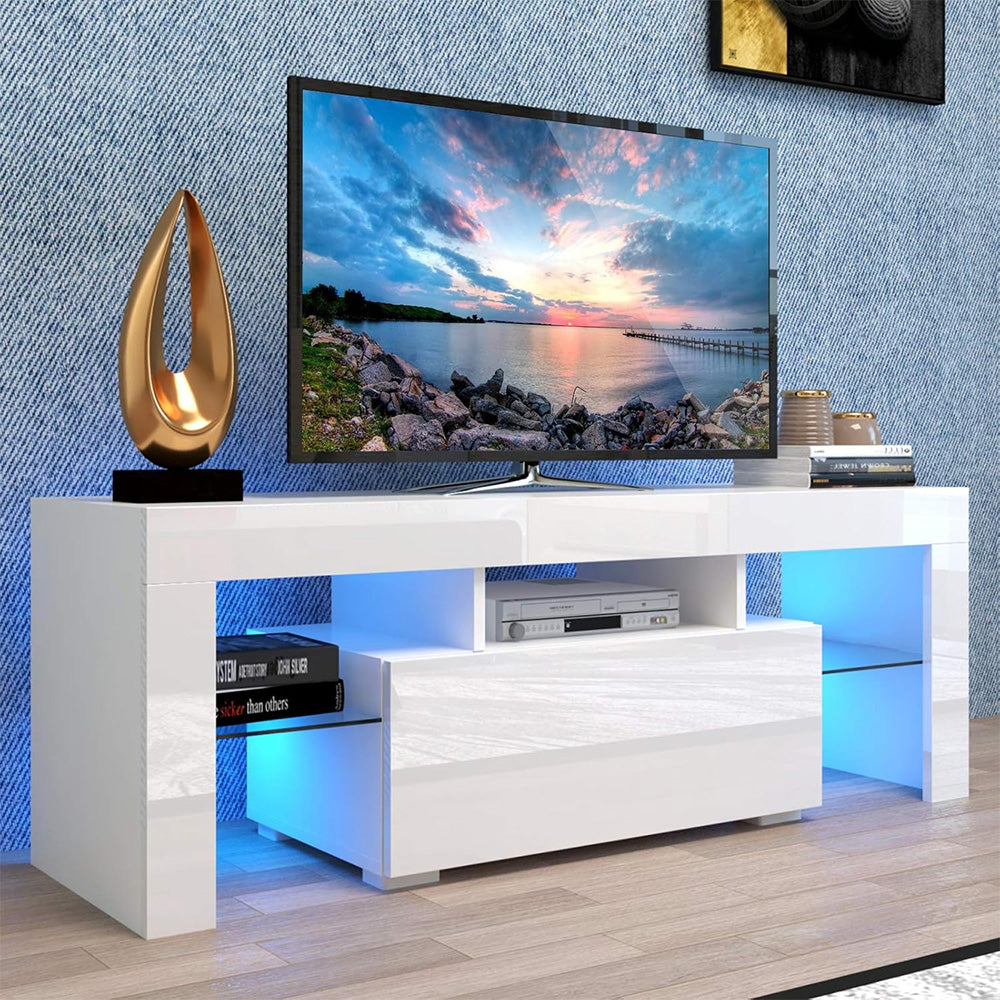
TV stands are pieces of furniture designed to support televisions. They often provide extra storage for media devices, game consoles, and decorations. TV stands come in many styles, sizes, and materials, from simple open shelves to large cabinets with glass doors.
Wall mounts, on the other hand, are hardware brackets that attach your TV directly to the wall. This method saves floor space and creates a clean, modern look. There are several types of wall mounts, including fixed, tilting, and full-motion models, each offering different levels of flexibility.
Benefits Of Tv Stands
TV stands have been a traditional choice for decades. Here are the main advantages they bring:
1. Easy Setup
One of the biggest strengths of TV stands is their simple installation. You rarely need special tools or skills. Most stands require only basic assembly—connecting shelves or attaching legs. You can set up your TV and devices in under an hour, with little risk of making mistakes.
2. Portability And Flexibility
TV stands allow you to move your television easily. If you rearrange your room, move to a new home, or decide the TV looks better in another spot, you can shift the stand without drilling new holes. This flexibility is especially useful in rental homes, where making wall changes is often not allowed.
3. Extra Storage
Most TV stands come with shelves, drawers, or cabinets. This added storage keeps your media players, remote controls, DVDs, or gaming consoles organized and within reach. Some stands even hide messy cables, making your setup neater.
4. Less Wall Damage
Because TV stands simply sit on the floor, they don’t require you to drill holes or use anchors. This means you avoid damaging your walls, which is important if you want to keep your security deposit or avoid repairs.
5. All-in-one Furniture Piece
Many TV stands are designed to be the center of your living room. They add style and can match your other furniture. Some even come with built-in fireplaces or adjustable shelves for speakers.
6. Safer For Renters And Temporary Living
If you move often, TV stands are the safer choice. You don’t have to worry about patching walls or losing hardware. Everything moves together, reducing the risk of lost parts.
7. Easier Access For Maintenance
With a TV stand, you can reach behind your television to plug in new devices, clean dust, or adjust wires. This saves time and reduces the risk of damaging your TV.
Drawbacks Of Tv Stands
TV stands aren’t perfect. Here’s what you should watch out for:
1. Takes Up Floor Space
TV stands use valuable floor area. In small rooms, this can make the space feel crowded. You lose the open feel that wall mounting provides.
2. Stability Issues
Some stands, especially lightweight or poorly built ones, can tip over if bumped. This is a safety risk for homes with children or pets.
3. Limited Viewing Height
Most TV stands keep your TV at a fixed height. If the stand is too low or too high, it can cause neck strain or discomfort during long viewing sessions.
4. Less Modern Look
TV stands are classic, but some people see them as old-fashioned or bulky, especially if they prefer a minimalist style.
5. Cable Management Can Be Messy
Not all TV stands have good systems to hide cables. If you have many devices, wires can become tangled and visible.
Benefits Of Wall Mounts
Wall mounts have grown in popularity as TVs become thinner and lighter. Here’s why many choose wall mounting:
1. Saves Floor Space
With a wall mount, your TV floats above the ground. This opens up the room, making it feel bigger and less cluttered. It’s ideal for small apartments or modern, open-plan homes.
2. Sleek, Modern Appearance
Mounted TVs look clean and stylish. You see this look in interior design magazines and model homes. The focus is on the screen, not the furniture around it.
3. Customizable Viewing Height
Wall mounts let you choose the perfect height for your TV. This is important for comfort and eye health, reducing strain during long watching sessions.
4. Better Safety In Some Cases
When properly installed, wall mounts keep the TV out of reach from small children or pets. There’s less risk of the television being pulled down or knocked over.
5. Enhanced Viewing Angles
Some wall mounts tilt or swivel. This means you can adjust the TV to reduce glare, watch from different spots in the room, or even turn it for kitchen viewing.
6. Improved Soundbar And Speaker Placement
Mounting your TV makes it easier to set up soundbars or surround speakers at the right height, improving your home theater experience.
7. Fewer Dust Traps
Without a big stand or cabinet, there are fewer surfaces to collect dust. Cleaning around a wall-mounted TV is quicker and easier.

Drawbacks Of Wall Mounts
Wall mounts also have downsides you should consider:
1. Permanent Wall Damage
Installing a wall mount means drilling holes into your wall. If you move the TV or want to change rooms, you must patch and repaint the wall.
2. Complicated Installation
Mounting a TV requires more tools and skill. You need to find wall studs, use anchors, and make sure the mount is level. Mistakes can be costly or even dangerous.
3. Harder To Move Tv
Once your TV is mounted, moving it means removing the mount, patching holes, and reinstalling elsewhere. This is a hassle if you like to rearrange your space.
4. Limited Storage
Wall mounts don’t offer shelves or cabinets. You’ll need extra furniture for devices, remotes, or game consoles.
5. Cable Management Challenges
Hiding cables is trickier with wall mounts. You may need to buy extra covers or run wires inside the wall, which takes time and sometimes professional help.
6. Not Suitable For All Walls
Some walls (like thin drywall or plaster) can’t safely hold heavy TVs. You may need to reinforce the wall, which adds to the cost and complexity.
7. Risk Of Improper Installation
If not installed correctly, a wall-mounted TV can fall. This can damage your television, wall, or even hurt someone.
Key Comparison: Tv Stand Vs Wall Mount
To give you a clearer view, here’s a comparison table showing the main differences:
| Feature | TV Stand | Wall Mount |
|---|---|---|
| Installation | Simple, no wall damage | Requires drilling, more complex |
| Portability | High, easy to move | Low, harder to relocate |
| Storage | Yes, shelves and cabinets | No, needs extra furniture |
| Style | Classic, furniture look | Modern, minimalist |
| Space Use | Uses floor space | Saves floor space |
| Safety | Can tip over if not secured | Safer from tipping if installed correctly |
| Viewing Height | Fixed | Adjustable |
| Cable Management | Varies, sometimes messy | Can be tricky, but neater if done well |
When To Choose A Tv Stand
While both options have their place, TV stands are the better choice in these cases:
- You rent your home and can’t make changes to the walls.
- You move often or like to rearrange furniture.
- You need storage for devices, movies, or decorations.
- You want to avoid complex installation and possible wall damage.
- Your room is large, so floor space isn’t a problem.
- You have many devices that need to connect to your TV.
A TV stand is also useful if you have a heavy or older television. Some TVs are too bulky or heavy for safe wall mounting.
When To Choose A Wall Mount
A wall mount is the better choice if:
- You want a clean, modern look with no bulky furniture.
- You have limited floor space and want to open up your room.
- You want the best viewing height for comfort and health.
- You have a safe, strong wall (studs or concrete) for mounting.
- You don’t move often and want a permanent installation.
- You want to keep the TV out of reach from children or pets.
Wall mounts are ideal for newer, lighter TVs—especially in bedrooms, kitchens, or spaces where floor space is precious.
Data: What Do Real Users Prefer?
Recent surveys show that both options are popular, but wall mounting is becoming more common. According to the Consumer Technology Association, about 47% of U.S. homes with flat-screen TVs use wall mounts. The rest prefer stands, often for convenience and storage.
This split changes based on age, room size, and home ownership. Homeowners are more likely to wall-mount, while renters use stands. Large living rooms often have TV stands, while small apartments or bedrooms favor wall mounts.
Common Myths And Surprising Insights
Many people believe wall mounts are always safer. In reality, a poorly installed wall mount is more dangerous than a properly placed TV stand. Always follow the manufacturer’s instructions or hire a professional if you’re not sure.
Another common myth is that wall mounts are only for new TVs. While thinner, lighter TVs are easier to mount, many older TVs can also be wall-mounted with the right bracket. Check your TV’s weight and VESA mount compatibility before deciding.
A hidden insight: Some TV stands come with anti-tip straps that let you anchor the TV to the wall for extra safety. This combines the flexibility of a stand with the security of a mount.
Real-life Examples
Example 1: Small Apartment
Maria lives in a city apartment with limited space. She chose a wall mount for her 50-inch TV to keep the floor clear. She also used a slim shelf below the TV for her game console. This setup made her living room feel larger and gave it a modern style.
Example 2: Family Home
The Patel family has children and pets. They use a sturdy TV stand with cabinets for storage. They added wall anchors to the back of the stand and used anti-tip straps for safety. This lets them easily move the TV when cleaning or redecorating, and keeps all devices organized.
Example 3: Home Theater
John built a home theater in his basement. He chose a full-motion wall mount for his projector-style TV. This allowed him to angle the screen for different seats and hide all cables inside the wall. The result was a clean, cinema-style look.
Example 4: Renter’s Dilemma
Sarah rents her house and isn’t allowed to drill holes. She picked a stylish TV stand with open shelves and added baskets for cable management. This gave her the storage she needed and avoided any wall damage.
Cost Comparison
Cost is a big factor for many buyers. Here’s a basic cost breakdown:
| Item | Average Cost |
|---|---|
| Basic TV Stand | $50 – $250 |
| Designer TV Stand | $300 – $1,000+ |
| Basic Wall Mount (Fixed) | $20 – $60 |
| Tilt/Full-Motion Wall Mount | $40 – $200 |
| Professional Installation (Wall Mount) | $100 – $300 |
| Cable Management Kit | $10 – $50 |
TV stands usually cost more up front, especially if you want quality materials or stylish designs. Wall mounts are cheaper, but installation and cable management can raise the total price. If you’re not handy, hiring a professional is a smart investment—improper installation can cost you much more later.
Common Mistakes To Avoid
1. Ignoring Tv Size And Weight
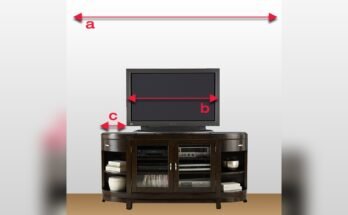
Both stands and mounts have limits. Check your TV’s size and weight before buying. Many accidents happen when people use a stand or mount that’s too weak.
2. Mounting Without Finding Studs
Mounting a TV directly into drywall is risky. Always find a wall stud or use proper anchors. If unsure, ask for professional help.
3. Forgetting About Cables
Plan how you’ll connect devices and hide wires. For wall mounts, consider in-wall cable kits or surface covers.
4. Choosing Style Over Safety
A stylish stand that tips over is not worth the risk. Make sure your choice is stable and secure.
5. Not Measuring Room Space
TV stands can crowd small rooms. Wall mounts might look odd on a large, empty wall. Always measure first.
Future Trends
As TVs get thinner and smarter, wall mounts are expected to become even more popular. New mounts can hold soundbars, swivel 180 degrees, or even lower the TV to eye level with a motor. However, the classic TV stand isn’t going away.
Manufacturers now offer stands with built-in charging ports, LED lighting, and improved cable management.
According to Statista, more households are buying large TVs each year. With this trend, the demand for both strong stands and advanced mounts will keep growing.
Which Is Better For You?
There is no single answer. Consider these questions:
- Do you rent or own your home?
- Is floor space limited?
- Do you need extra storage?
- Do you want to move your TV often?
- Can your walls support a heavy TV?
- Are children or pets a concern?
- What style fits your home?
Write down your answers and match them to the benefits listed above. For many people, a mix of both works best. For example, use a stand in the living room and a wall mount in the bedroom.
Practical Tips Before You Decide
- Measure your room and TV before buying.
- Check your TV’s VESA mount compatibility.
- Make sure your walls can handle the weight if you choose a wall mount.
- Choose a stand or mount rated for your TV’s size and weight.
- Plan cable routes before installation.
- If unsure, ask a professional for advice.
Frequently Asked Questions
What Is Safer For Homes With Children—tv Stand Or Wall Mount?
A wall mount is usually safer if installed correctly, as it keeps the TV out of reach. However, a sturdy TV stand anchored to the wall with anti-tip straps can also be safe. Never leave a TV loose on a stand in homes with young children.
Can I Mount My Tv On Any Wall?
Not all walls can hold a TV safely. You need strong wall studs or masonry. Thin drywall or plaster can break under the TV’s weight. Always check your wall type and use proper hardware.
Will Mounting My Tv Damage The Wall?
Yes, installing a wall mount requires drilling holes. If you remove the mount later, you’ll need to fill and paint the holes. If you want to avoid wall damage, a TV stand is the better option.
Is It Difficult To Hide Cables With A Wall Mount?
Hiding cables is more challenging with wall mounts, but it can be done. Use cable covers or in-wall kits for a clean look. Some people hire professionals to run wires inside the wall.
Are Tv Stands Old-fashioned?
Not at all. Modern TV stands come in sleek designs with glass, metal, or wood. Many offer advanced features like lighting or charging ports. The key is to pick a stand that fits your style and needs.
Choosing between a TV stand and a wall mount is about more than looks. Think about your space, safety, and how you use your TV. By understanding the real benefits and drawbacks, you’ll make a choice that works for your life—not just your living room.