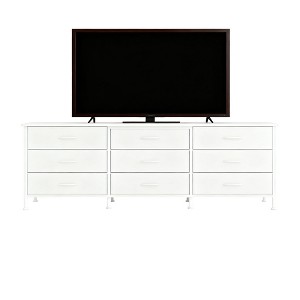
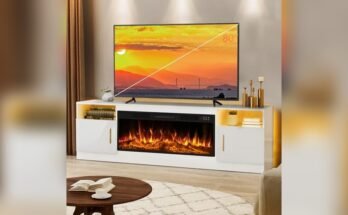
A TV stand is more than just a piece of furniture for your living room. It is a practical solution for displaying your television, keeping your media devices organized, and adding style to your home. In today’s world, where screens are a central part of daily life, choosing the right TV stand can make a big difference in comfort and functionality.
Many people do not realize how much a TV stand influences viewing experience, room layout, and even safety.
Let’s explore what a TV stand is really used for, how it can improve your space, and the various ways it supports both your television and your lifestyle. By the end, you will know why this furniture item matters, how to choose the right one, and what features to look for—whether your home is small or spacious, traditional or modern.
The Main Purpose Of A Tv Stand
At its core, a TV stand is designed to support and display your television. But its role goes much deeper. Here are the main functions:
- Holding the TV: The most obvious use is to provide a stable, flat surface for your television. This is important because TVs are often heavy and fragile. A good TV stand keeps your TV safe from falls and damage.
- Setting Viewing Height: The stand positions your TV at eye level for comfortable viewing. This reduces neck strain and makes watching movies or playing games more enjoyable.
- Organizing Media Devices: TV stands often come with shelves or cabinets. This extra storage is perfect for DVD players, gaming consoles, streaming boxes, and even traditional devices like VCRs.
- Cable Management: Modern TV stands are designed with holes or channels in the back for hiding wires. This keeps your living area neat and reduces the risk of tripping over cables.
- Adding Style: A TV stand is also a design element. It can enhance your room’s look, match your furniture, or add color and texture.
- Protecting Walls and Floors: By keeping your TV off the floor and away from walls, the stand helps prevent scratches, marks, and other damage.
- Supporting Accessories: Many people use the TV stand for speakers, soundbars, remote controls, and decorations like photo frames or plants.
Most beginners only think about the first point. But the other uses—like cable management and accessory storage—often become more important over time.
Types Of Tv Stands
There is no single “best” TV stand, because different rooms and TVs have different needs. Here are some common types and their uses:
Console Tv Stands
Console stands are long, low pieces with open shelves or cabinets. They work well in living rooms and provide lots of storage. Most consoles are wide enough for large TVs and extra devices. Some have glass doors or drawers for hidden storage.
Corner Tv Stands
Corner TV stands are designed to fit into corners, making them ideal for small rooms or awkward layouts. They save space while still offering shelves for equipment.
Entertainment Centers
An entertainment center is much larger. It often has shelves, drawers, and tall side units for books, speakers, or decorations. These are great for families with lots of devices or who want the TV area to be a focal point.
Wall-mounted Tv Stands
Some stands are mounted on the wall or attached under a wall-mounted TV. These “floating” units look modern and keep the floor clear. They are best for people who want a clean, minimalist look.
Swivel And Mobile Tv Stands
Swivel stands let you turn the TV for better viewing from different angles. Mobile stands come with wheels, so you can move the TV between rooms or adjust the position easily.
Fireplace Tv Stands
These stands combine a TV shelf with an electric fireplace. They offer warmth and style, especially in colder climates.
Cabinet Tv Stands
Cabinet stands have doors that close, hiding your devices and media. This keeps dust away and creates a tidy look.
Custom Or Built-in Stands
Some people choose custom-built or built-in stands that fit their space perfectly. These often include extra features like lighting or display shelves.

Tv Stand Materials And Their Benefits
The material of your TV stand affects its look, weight, strength, and durability.
Wood
Wooden TV stands are classic and sturdy. They fit well in traditional and rustic interiors. Hardwoods like oak, walnut, and cherry last longer and hold more weight, but can be expensive. Softer woods or wood veneers are lighter and often cost less.
Metal
Metal stands are strong and usually lighter than solid wood. They fit modern or industrial styles and often come with glass shelves. Metal is easy to clean and resists scratches.
Glass
Glass TV stands look sleek and modern, especially with chrome or black metal frames. Tempered glass is strong, but still needs careful handling. Glass stands can make small rooms feel more open, but show fingerprints and dust more easily.
Particleboard Or Mdf
Many affordable TV stands use particleboard or medium-density fiberboard (MDF). These materials are less expensive, but can still look attractive if finished well. They are not as strong as solid wood, so check weight limits before buying.
Combination Designs
Some stands combine materials, like wood shelves with metal frames or glass doors. This can balance strength, cost, and appearance.
Here’s a quick comparison of common TV stand materials:
| Material | Strength | Style | Cost | Care Needed |
|---|---|---|---|---|
| Solid Wood | High | Classic, Warm | High | Regular polish |
| Metal | High | Modern, Industrial | Medium | Wipe clean |
| Glass | Medium | Sleek, Modern | Medium | Frequent cleaning |
| Particleboard/MDF | Low-Medium | Varied | Low | Gentle use |
Tv Stand Sizes And How To Choose
Size matters when picking a TV stand. The stand must fit your TV and your room. Here’s what to consider:
Tv Size And Weight
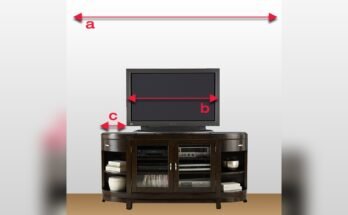
Always check the maximum TV size and weight the stand can hold. Most stands list these details in the product description. The TV should not be wider than the stand, or it may tip over.
Room Size
A large stand can overwhelm a small room, while a tiny stand looks awkward in a big space. Measure your wall and floor area before buying.
Storage Needs
Think about what you will keep on or in the stand. Do you have many devices, game consoles, or a soundbar? Choose a stand with enough shelves or cabinets.
Viewing Height
Ideally, the center of the TV screen should be at your eye level when sitting. Measure from the floor to your eyes while seated, and use this to find the best stand height.
Tv Stand Depth
Make sure the stand is deep enough for your TV’s base and any devices you plan to store.
Proportion And Aesthetics
The stand should match the style and scale of your other furniture. For example, a massive entertainment center may look out of place in a minimalist room.
Here’s a simple table to help match TV sizes with recommended stand widths:
| TV Size (Diagonal) | Recommended Stand Width |
|---|---|
| 32–43 inches | 30–45 inches |
| 44–55 inches | 46–60 inches |
| 56–65 inches | 61–75 inches |
| 66–75 inches | 76–85 inches |
| 76+ inches | 86+ inches |
Features To Look For In A Tv Stand
Modern TV stands offer more than just a place for your TV. Here are some useful features:
- Cable Management: Look for holes, clips, or channels to route cables out of sight.
- Adjustable Shelves: These let you change shelf height for bigger devices or accessories.
- Ventilation: Open backs or ventilated shelves help keep electronics cool and prevent overheating.
- Safety Features: Some stands come with anti-tip straps or wall anchors to prevent accidents, especially important with children or pets.
- Wheels or Casters: For easy movement, especially in multi-use spaces.
- Lighting: Built-in LED lighting can highlight your TV and create a cozy mood.
- Glass Doors: Protect devices from dust but let remote signals through.
- Drawers and Cabinets: Hide clutter and store movies, games, or manuals.
- Mounting Options: Some stands include a mount to lift the TV higher, offering more flexibility.
- Speaker Space: Look for dedicated shelves for soundbars or speakers.
Many buyers focus only on looks or price, but missing out on these features can lead to regret later.
How A Tv Stand Improves Your Home
A good TV stand is not just about function. It can improve your living space in several ways:
- Reduces Clutter: By giving a place for everything, it keeps your room tidy.
- Enhances Safety: Prevents TVs from falling and keeps cables out of the way.
- Improves Viewing Comfort: The right height and angle make watching TV more enjoyable.
- Adds Storage: Extra shelves and drawers help you organize games, remotes, and more.
- Boosts Style: A stylish stand can pull your room together and reflect your personal taste.
Safety Tips For Using Tv Stands
TVs can be dangerous if not set up safely. According to the U.S. Consumer Product Safety Commission, thousands of children are injured every year by TVs tipping over. Here’s how to stay safe:
- Use Anti-Tip Straps: Secure the TV and stand to the wall, especially if you have kids or pets.
- Don’t Overload Shelves: Each shelf has a weight limit. Avoid stacking too many devices.
- Check Stability: Make sure the stand does not wobble or rock. Adjust feet or place it on a flat surface.
- Keep Cables Tidy: Loose cords can trip people or pull the TV down.
- Place Away from Edges: Keep the stand away from doorways or high-traffic areas.
Common Mistakes When Choosing A Tv Stand
Many people make avoidable mistakes when buying a TV stand. Here are some to watch out for:
- Ignoring Weight Limits: Always check how much weight the stand can support.
- Choosing the Wrong Size: A stand too small or too large looks odd and can be unsafe.
- Forgetting Storage: Buying a stand with too little storage means cluttered surfaces.
- Neglecting Cable Management: Cables hanging everywhere spoil the look and can cause accidents.
- Ignoring Style: A stand that clashes with your room’s look will always feel out of place.
- Not Checking Assembly: Some stands need a lot of assembly. If you’re not handy, choose a simpler model.
- Skipping Safety Features: Especially if you have children or pets, look for anti-tip kits or wall anchors.
Tv Stand Vs. Wall Mount: Which Is Better?
A common question is whether to use a TV stand or mount the TV on the wall. Each has pros and cons.
Tv Stand
- Easier to Set Up: No drilling or special tools needed.
- More Storage: Extra space for devices and accessories.
- Flexible: Easy to move or rearrange.
- Safer for Renters: No wall damage.
Wall Mount
- Saves Floor Space: Great for small rooms.
- Modern Look: Very clean and simple.
- Harder to Move: More work to change position.
- Less Storage: You’ll need extra shelves or cabinets.
Many people use both: a wall mount for the TV, and a floating or low-profile stand for devices and décor.
Environmental Impact Of Tv Stands
Furniture production affects the environment. If you want a greener home, consider:
- Sustainable Materials: Look for certified wood (like FSC), recycled metal, or eco-friendly finishes.
- Longevity: A well-made stand lasts for years, reducing waste.
- Recyclability: Some stands can be taken apart and recycled at end of life.
- Second-Hand Options: Buying used reduces demand for new resources.
Some brands now offer eco-friendly TV stands. You can find more about sustainable furniture at EPA’s Sustainable Furniture Guide.
How To Clean And Maintain Your Tv Stand
Proper care helps your TV stand last longer and look better.
- Dust Regularly: Use a soft cloth for wood, glass, or metal.
- Avoid Harsh Chemicals: Mild soap and water are best. Strong cleaners can damage finishes.
- Check for Loose Screws: Tighten any hardware every few months.
- Polish Wood: Use wood polish or oil to keep wooden stands looking good.
- Handle Glass with Care: Clean with glass cleaner, but avoid scratching.
If your stand has moving parts or wheels, check them for dirt or damage and lubricate if needed.
Creative Uses For Tv Stands
While most people use TV stands for their intended purpose, they can be used creatively:
- Bookshelf: Use the shelves for books if you move the TV.
- Display Case: Show off collectibles, art, or souvenirs.
- Room Divider: In open-plan spaces, a large entertainment center can help separate areas.
- Gaming Station: Store consoles, games, and controllers neatly.
- Workstation: Some people use TV stands for small desktops or laptops.
This flexibility makes TV stands a smart buy, even if your needs change.
Frequently Asked Questions
What Is The Ideal Height For A Tv Stand?
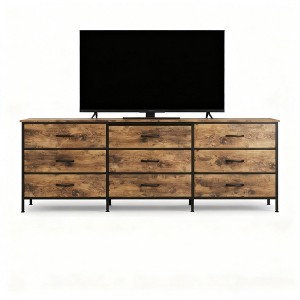
The best height for a TV stand places the center of the TV at your eye level when you sit. For most people, this means the TV base should be about 42–48 inches from the floor. Measure your seating and eye height for the most comfort.
Can A Tv Stand Hold A Curved Or Oled Tv?
Yes, most modern TV stands are suitable for curved and OLED TVs, as long as the weight and width fit within the stand’s limits. Always check the stand’s specifications before buying.
How Do I Hide Cables On A Tv Stand?
Look for a stand with built-in cable management features. These may include holes, clips, or channels at the back. You can also use cable sleeves or zip ties to bundle cords and keep them out of sight.
Are Wall-mounted Tv Stands Safe?
Wall-mounted (or “floating”) TV stands are safe if properly installed. Always use the right wall anchors and follow the manufacturer’s instructions. For heavy TVs or lots of devices, professional installation is recommended.
What Should I Do If My Tv Stand Wobbles?
A wobbly stand can be dangerous. Check that the floor is level, tighten all screws, and make sure the weight is evenly distributed. If the problem continues, use anti-tip straps or move the stand to a more stable location.
A TV stand may seem simple, but it plays a big role in your home’s comfort, safety, and style. From supporting your TV and organizing your media devices, to enhancing your decor and keeping your family safe, the right stand makes all the difference.
By understanding the many uses and features, you can choose a TV stand that fits both your needs and your lifestyle. Whether you’re upgrading your living room or setting up a new home, take your time to pick a stand that will serve you well for years to come.