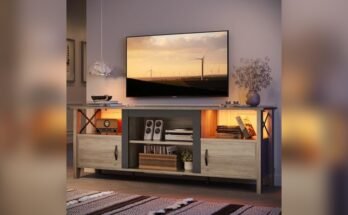
A television is often the heart of the living room. But what holds the TV, keeps it safe, and makes the space look beautiful? That’s where a TV stand comes in. Many people don’t realize how important this piece of furniture is. It’s not just a platform for your TV—it also affects your home’s style, storage, and even safety. Choosing the right TV stand can make watching TV more comfortable and enjoyable. In this article, you’ll learn exactly what a TV stand is, its types, how to pick the right one, and many details you may not know. Whether you are moving, upgrading your living room, or simply curious, you’ll find all the answers here.
What Is A Tv Stand?
A TV stand is a piece of furniture designed to support a television. Usually, it sits on the floor and holds the TV at a comfortable viewing height. But a TV stand is more than just a platform. It also provides storage for items like media players, game consoles, remotes, and DVDs. Many stands have shelves, cabinets, or drawers. Some stands are stylish, others are simple, but all share the same basic purpose: to hold and organize your TV setup.
A TV stand is usually made from wood, metal, glass, or a mix of these materials. The design ranges from modern and sleek to classic and traditional. The size and shape depend on the TV, the room, and personal taste.
Why Tv Stands Matter
Most people think of a TV stand as just furniture. But the right stand can make your living room safer and more attractive. It prevents the TV from tipping over, hides messy cables, and offers a place for speakers or decorations.
Some stands are designed for small apartments, others for big family rooms. A TV stand also helps keep electronics cool by allowing air to flow around them. It’s a simple but essential item in almost every home with a TV.
Types Of Tv Stands
TV stands come in many shapes and styles. Each type offers unique features for different needs and spaces. Understanding these types will help you choose the best one for your home.
1. Open Shelf Tv Stand
This type is very popular. It usually has several shelves and no doors. The design is simple and lets you easily reach your devices. Open shelf stands are great for people who use multiple gadgets, like gaming consoles or DVD players.
Pros: Easy access, lightweight, good for small rooms
Cons: Less storage, items are visible and can look messy
2. Cabinet Tv Stand
A cabinet TV stand has doors and sometimes drawers. It’s ideal for hiding cables, remotes, and other clutter. The closed space keeps electronics safe from dust. Cabinet stands often look more polished and formal.
Pros: Keeps items hidden, more storage, good for families
Cons: Bulkier, heavier, sometimes harder to move
3. Corner Tv Stand
Designed to fit in a room’s corner, this type saves space. It’s perfect for small rooms or apartments. Corner stands often have a triangular shape and may include shelves or cabinets.
Pros: Space-saving, fits awkward spots
Cons: Limited size, not ideal for very large TVs
4. Entertainment Center
An entertainment center is bigger than a regular TV stand. It has lots of shelves, cabinets, and sometimes space for books or decorations. These stands can cover a whole wall and become the main feature in the room.
Pros: Lots of storage, stylish, good for big rooms
Cons: Expensive, needs more space
5. Floating Tv Stand
This type attaches to the wall and does not touch the floor. Floating stands look modern and make cleaning easier. They are great for minimalistic designs and can be safer for families with young children.
Pros: Modern look, easy to clean, saves floor space
Cons: Needs wall installation, limited weight capacity
6. Swivel Tv Stand
A swivel TV stand has a rotating platform. You can turn the TV to face different parts of the room. This is useful in open spaces or rooms with multiple seating areas.
Pros: Flexible viewing, easy to adjust
Cons: Fewer storage options, sometimes less stable
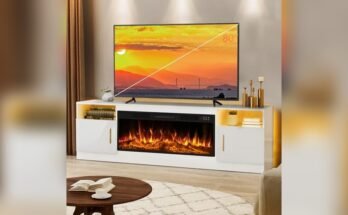
7. Fireplace Tv Stand
Some TV stands combine with electric fireplaces. This adds warmth and style to the room. Fireplace stands usually have cabinets and shelves around the fireplace.
Pros: Cozy, unique design, extra storage
Cons: Higher price, needs power outlet
8. Mobile Tv Stand
This type has wheels and can be moved easily. Mobile stands are good for offices, classrooms, or homes where you need to change the TV’s location.
Pros: Easy to move, flexible, good for events
Cons: Less stylish, sometimes less stable
9. Multi-purpose Tv Stand
A multi-purpose stand can be used for more than just a TV. It might double as a coffee table, bookshelf, or storage bench. These stands are ideal for small spaces.
Pros: Versatile, saves space, budget-friendly
Cons: May not fit large TVs, less focused design
10. Custom Tv Stand
Some people build or order custom TV stands to fit their exact needs. Custom stands can match a room’s style, fit unusual spaces, or hold special equipment.
Pros: Perfect fit, unique design
Cons: Higher cost, longer wait time
Materials Used In Tv Stands
The material of a TV stand affects its look, strength, and price. Here are the most common materials:
Wood
Wood is the most traditional material. It’s strong, durable, and comes in many finishes. Solid wood stands are expensive but last for years. Veneer or engineered wood is cheaper but still looks good.
Metal
Metal stands are modern and strong. They are often lighter than wood and can be shaped in unique ways. Metal stands are good for industrial or minimalist designs.
Glass
Glass stands are stylish and sleek. They often use tempered glass for safety. Glass stands make rooms feel bigger but need regular cleaning.
Mixed Materials
Many stands use a mix of wood, metal, and glass. This creates interesting designs and balances strength with beauty.
| Material | Strength | Appearance | Typical Price |
|---|---|---|---|
| Wood | High | Classic, warm | $$$ |
| Metal | High | Modern, sleek | $$ |
| Glass | Medium | Elegant, light | $$ |
| Mixed | Varies | Unique, flexible | $$$ |
Key Features Of A Tv Stand
When choosing a TV stand, you should look for certain features. These affect how well the stand fits your TV and your room.
Size And Weight Capacity
The size of the stand must match your TV. Most stands list the maximum TV size and weight they can hold. If your stand is too small or weak, the TV may tip or fall.
Non-obvious tip: Check the width of your TV, not just the diagonal size. TVs with the same screen size can have different widths, especially new models.
Storage Options
TV stands may offer shelves, drawers, or cabinets. Think about what you need to store: game consoles, speakers, remotes, DVDs, or books. Open shelves are easy to access, while closed cabinets keep things tidy.
Cable Management
Many stands have holes or channels for cables. This keeps wires out of sight and prevents tangling. Good cable management makes your setup look neat and safer.
Style And Finish
TV stands come in many styles: modern, classic, rustic, or industrial. The finish (wood stain, paint, metal, glass) should match your room’s decor. Consider how the stand will look with your other furniture.
Ventilation
Electronics can heat up. Stands with open backs or ventilation holes help air flow. This keeps devices cool and prevents damage.
Safety Features
Some stands have anti-tip straps, rounded edges, or locking doors. These are important for homes with pets or children.

How To Choose The Right Tv Stand
Picking the right TV stand is not just about style. Here’s how to make a smart choice:
1. Measure Your Tv And Room
Measure the width and height of your TV. Also measure the space where you want to put the stand. Make sure there’s room for the stand, the TV, and any extras.
2. Check Tv Stand Weight Capacity
TVs can be heavy. Make sure the stand can hold your TV’s weight. Look for the maximum weight listed by the manufacturer.
3. Choose The Right Height
The TV screen should be at eye level when you sit. Most experts say the center of the TV should be about 42 inches from the floor. Adjust based on your seating height.
4. Think About Storage Needs
List what you need to store: media players, games, remotes, books. Choose a stand with enough shelves or cabinets.
5. Match Your Style
Pick a stand that matches your room. For example, wood for a cozy look, metal or glass for a modern style.
6. Look For Cable Management
Good cable management makes the setup look clean and prevents accidents.
7. Consider Safety
If you have kids or pets, pick a stand with anti-tip features or rounded corners.
8. Plan For Future Changes
Think about upgrading your TV or adding new devices. Choose a stand that can grow with your needs.
Non-obvious insight: Many people forget to check their home’s floor type. Heavy stands may scratch wood floors, and tall stands may wobble on thick carpet. Use felt pads or anchors for safety.
Tv Stand Vs. Tv Mount: What’s The Difference?
Some people wonder if they need a TV stand or a wall mount. Both serve the same basic purpose—holding your TV—but have big differences.
| Feature | TV Stand | TV Mount |
|---|---|---|
| Placement | On floor | On wall |
| Storage | Shelves, cabinets | None |
| Style | Many options | Minimalist |
| Installation | Easy | Needs tools |
| Safety | Can tip | Can fall if not installed well |
| Flexibility | Can move | Fixed |
A TV stand offers storage and is easy to move. A TV mount saves space but needs installation. Some people use both: a TV stand for devices, and a wall mount for the TV.
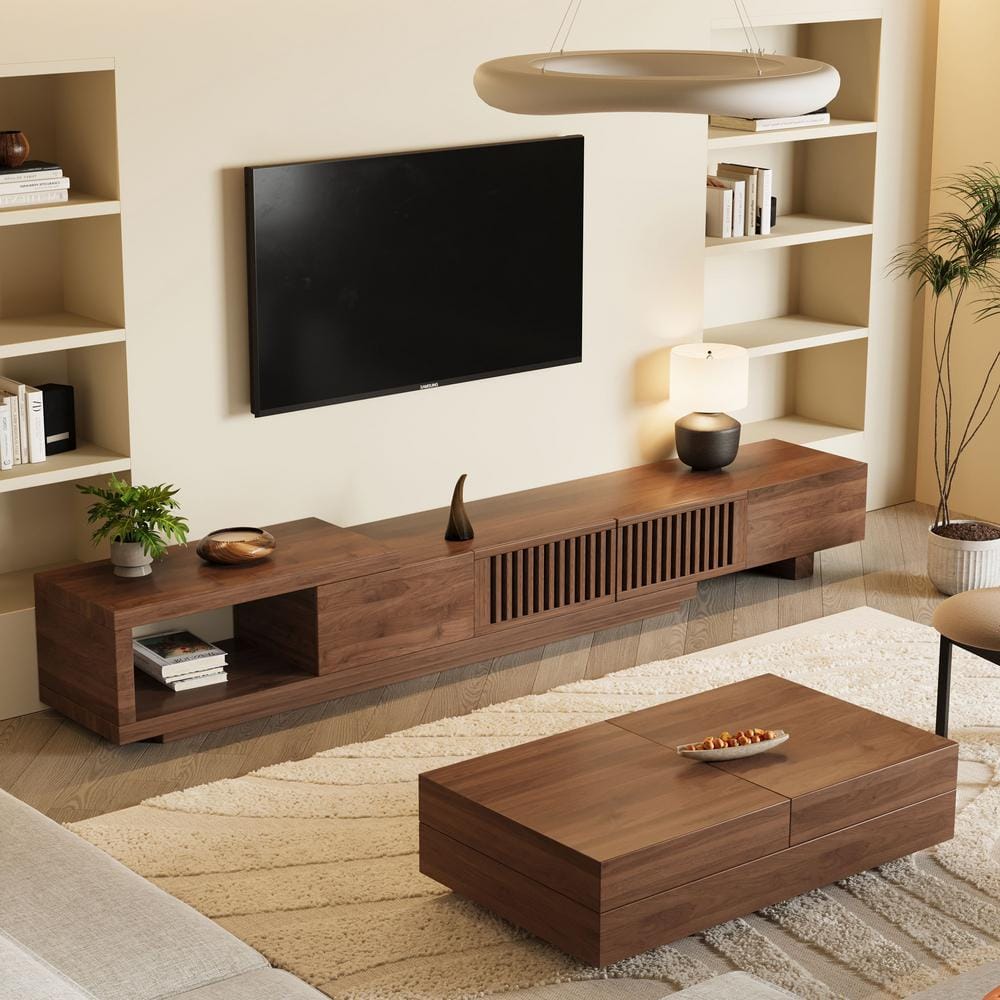
Common Mistakes When Buying A Tv Stand
Buying a TV stand can seem simple, but many people make mistakes. Here are some to watch out for:
1. Ignoring Tv Size
Many buyers only look at the stand’s style. But a stand that’s too small or too large looks awkward and can be unsafe.
2. Forgetting Weight Capacity
TVs are getting bigger and heavier. If the stand can’t hold the weight, it can break or tip.
3. Skipping Cable Management
Messy cables look bad and can cause accidents. Don’t ignore stands with cable management features.
4. Not Measuring The Room
A stand that’s too big may not fit in your space. Always measure before buying.
5. Overlooking Ventilation
Closed stands without ventilation can overheat devices, shortening their life.
6. Choosing Style Over Function
It’s easy to pick a stand that looks nice but doesn’t offer enough storage or safety.
7. Failing To Plan For Changes
If you upgrade your TV or add devices, your stand may become useless. Think ahead before buying.
Real-life Examples And Data
TV stands are very common. According to a 2023 market report, over 70% of homes with TVs use a dedicated TV stand. The average price for a quality TV stand in the US is about $150 to $450. Styles and materials differ by country and culture. For example, in Japan, compact and minimal stands are most popular due to smaller homes, while in the US, large entertainment centers are common.
A study found that stands with cable management reduce clutter by up to 40% compared to basic open shelf stands. Families with children reported feeling safer with stands that have rounded edges and anti-tip straps.
Tv Stand Maintenance And Care
A TV stand should last many years. But it needs some care. Here’s how to keep your stand in good shape:
Cleaning
- Dust wood and metal stands with a soft cloth.
- Glass stands need special cleaner to avoid streaks.
- Avoid harsh chemicals that can damage finishes.
Checking Stability
- Make sure screws and bolts are tight.
- Check for wobbling or tipping, especially after moving.
- Use anti-tip straps if needed.
Protecting Surfaces
- Place felt pads under heavy stands to protect floors.
- Use coasters or mats to avoid scratches from devices.
Managing Cables
- Regularly check and untangle cables.
- Replace damaged wires to prevent fire hazards.
Ventilation
- Clean vents and open backs to keep devices cool.
- Avoid blocking airflow with decorations or books.
Non-obvious insight: Moving your stand even a few inches can loosen screws or shift weight. Always check stability after moving.
Tv Stands For Small Spaces
If you live in a small apartment or room, a bulky stand is not ideal. Here are some tips for small spaces:
- Choose a corner TV stand to use awkward spots.
- Pick a floating TV stand to save floor space.
- Look for multi-purpose stands that double as bookshelves or storage benches.
- Avoid entertainment centers—they need too much room.
- Use wall mounts if you need to free up space, but add a small shelf for devices.
Tv Stands And Home Decor
A TV stand can change the look of your room. Here’s how to match your stand with your decor:
- For modern rooms, pick metal or glass stands with clean lines.
- For cozy spaces, choose wood with warm finishes.
- Rustic rooms look best with distressed wood or mixed materials.
- Industrial styles use metal frames and open shelves.
- Minimalist rooms need floating stands or simple open shelves.
Add decorations like plants, photos, or small art pieces on the stand. But don’t block your TV or speakers.
Tv Stand Safety Tips
Safety is important, especially for families. Here’s how to make your TV stand safer:
- Use anti-tip straps to secure the TV and stand.
- Choose stands with rounded edges to avoid injuries.
- Keep heavy items low to prevent tipping.
- Make sure the stand is stable and level.
- Keep cables out of reach for children and pets.
Where To Buy Tv Stands
TV stands are easy to find in furniture stores, electronic shops, and online. Always check reviews and product details. Look for brands with good warranties and customer support.
For more in-depth information on types and styles, visit Wikipedia.
Frequently Asked Questions
What Is The Ideal Height For A Tv Stand?
The best height is when the center of the TV screen is at eye level while you sit. Usually, this means the TV stand should be about 42 inches from the floor. Adjust based on your sofa or chair height.
Can Any Tv Stand Hold Any Tv?
No. You must check the maximum weight and size the stand can hold. Not all stands fit all TVs. Read the manufacturer’s details before buying.
How Do I Hide Cables On My Tv Stand?
Many stands have cable management features like holes or channels. If your stand doesn’t, use cable clips, zip ties, or cable covers to keep wires neat and out of sight.
Are Wall-mounted Tvs Better Than Tv Stands?
Both have pros and cons. Wall mounts save space and look modern, but offer no storage. TV stands provide storage and are easier to move. Choose based on your needs and room size.
What Materials Are Best For Tv Stands?
Wood is strong and classic, metal is modern and durable, glass is stylish but needs care. Mixed materials offer unique designs. Pick based on your style, budget, and how much weight your TV needs.
A TV stand is more than furniture—it’s a key part of your home. It supports your TV, organizes your devices, and adds style to your room. With so many types, materials, and features, choosing the right stand takes some thought.
Measure your space, match your style, check safety, and plan for the future. With these tips, your TV stand will make your home more comfortable and beautiful for years to come.